Category: Articoli

  • Quando la Moda Oscura la Politica

    Quando la Moda Oscura la Politica

    L’inaugurazione di Donald Trump come 47° presidente degli Stati Uniti ha riacceso un dibattito che va oltre la politica. Il cappello di Melania Trump, creato dallo stilista Eric Javits, è diventato un simbolo dell’attenzione ossessiva dei media verso l’aspetto delle donne in politica, spesso a scapito delle loro idee e azioni. Ma c’è di più dietro questa tendenza. Questo fenomeno si collega a un problema più profondo: il cosiddetto “femminismo neoliberista.”

    Che cos’è il Femminismo Neoliberista?

    Catherine Rottenberg, studiosa e teorica, ha coniato il termine “femminismo neoliberista” per descrivere una corrente che celebra il successo individuale delle donne, promuovendo l’idea che sia possibile “avere tutto”: una carriera brillante, una famiglia felice e una vita perfettamente bilanciata. Tuttavia, questa narrazione ignora le disuguaglianze strutturali che impediscono a molte donne di raggiungere questi obiettivi.

    Questo approccio, lungi dall’essere liberatorio, spesso serve a rafforzare il sistema esistente. Mentre promuove un ideale irraggiungibile per la maggior parte delle donne, delega loro il compito di conciliare lavoro e famiglia, senza mettere in discussione le responsabilità sociali e istituzionali.

    Le Contraddizioni del Femminismo Neoliberista

    Il femminismo neoliberista piace a molti partiti conservatori perché si integra perfettamente con le loro politiche. Non sfida le disuguaglianze di classe o razza e, in alcuni casi, legittima posizioni anti-immigrazione o islamofobe.

    Per contrastare questa visione, il “femminismo per il 99 percento” propone un approccio alternativo.

    Questa corrente punta a includere tutte le donne, specialmente quelle appartenenti alle classi meno privilegiate, affrontando temi come la giustizia economica, l’accesso ai diritti riproduttivi e la sostenibilità ambientale.

    Credit Image: Sky News
    Credit Image: Sky News

    Perché Parliamo Ancora di Moda?

    La storia recente è piena di esempi in cui l’aspetto delle donne in politica ha ricevuto più attenzione delle loro politiche:

    • Hillary Clinton: Durante la campagna del 2016, i suoi tailleur pantalone sono stati discussi più delle sue proposte su temi come l’assistenza sanitaria o il salario minimo.
    • Theresa May: Le sue scarpe leopardate hanno spesso distolto l’attenzione dalle difficili negoziazioni sulla Brexit, una scelta politica profondamente divisiva.
    • Angela Merkel: Nonostante il suo stile sobrio sia stato oggetto di critiche per anni, ha guidato l’Europa in alcune delle sue crisi più complesse.
    • Giorgia Meloni: In Italia, il suo trucco e i suoi capelli perfetti sono diventati fonte di ispirazione per molte donne, anche se il suo governo non affronta i problemi strutturali che affliggono le donne italiane, come il pay gap, l’alta disoccupazione femminile e la mancanza di supporto per l’indipendenza economica. Il suo modello di femminilità rischia di essere solo una facciata senza un reale progresso nei diritti delle donne.

    In Italia, la disparità salariale di genere (gender pay gap) è stata stimata intorno all’8,7%, uno dei valori più bassi nell’Unione Europea.

    Per quanto riguarda il tasso di disoccupazione femminile, al settembre 2024, il tasso di disoccupazione generale in Italia è stato del 6,1%. Secondo i dati Istat.It le donne hanno registrato tassi di disoccupazione più elevati rispetto agli uomini.

    Inoltre, secondo il report dei documenti.camera.it, l’Italia presenta uno dei tassi di occupazione femminile più bassi dell’UE, con un tasso di occupazione per le donne tra i 20 e i 64 anni pari al 55%, circa 14 punti percentuali sotto la media europea.

    Una Nuova Generazione di Leader

    Nonostante questa ossessione mediatica, una nuova generazione di donne sta ridefinendo il ruolo femminile in politica. Alexandria Ocasio-Cortez negli Stati Uniti, Jacinda Ardern in Nuova Zelanda e Sanna Marin in Finlandia sono esempi di leader che sfidano apertamente le strutture di potere tradizionali.

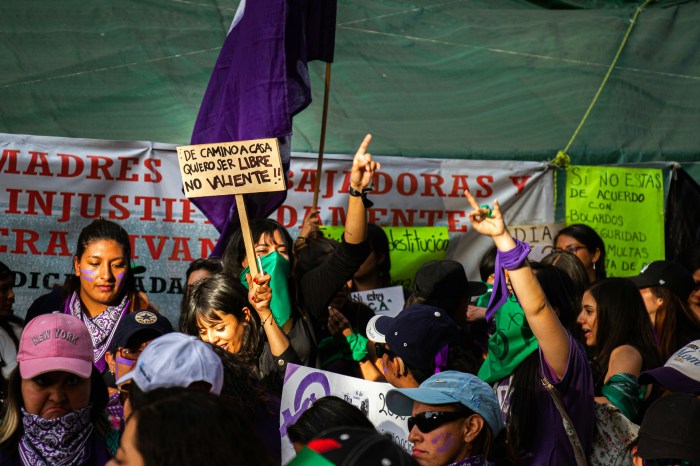
    Queste donne non si limitano a occupare posizioni di rilievo; affrontano temi cruciali come il cambiamento climatico, la disuguaglianza economica e i diritti umani, adottando un approccio intersezionale che riconosce l’interconnessione tra genere, classe, razza e orientamento sessuale.
    Il Paradosso della Leadership Femminile Conservatrice

    È importante sottolineare che la semplice presenza di donne in ruoli di potere non è sufficiente per garantire un cambiamento significativo. L’ascesa di leader come Giorgia Meloni in Italia dimostra che è possibile perpetuare politiche reazionarie anche con una donna al comando. Il vero progresso richiede un cambiamento nei valori e nelle politiche, non solo nel genere di chi le promuove.

    Verso un Futuro Inclusivo

    Il futuro del femminismo in politica non sta solo nel rompere il “soffitto di cristallo” per poche privilegiate, ma nel demolire le fondamenta di un sistema che perpetua le disuguaglianze. Una società equa è possibile solo quando il valore di una leader politica sarà giudicato dalle sue idee e azioni, non dal suo guardaroba.

    Note- Dove Approfondire il Femminismo per il 99 Percento

    Per chi desidera approfondire il concetto di “femminismo per il 99 percento,” si consiglia di leggere il libro “Feminism for the 99%: A Manifesto” di Cinzia Arruzza, Tithi Bhattacharya e Nancy Fraser. Questo testo offre una prospettiva critica e radicale sulla necessità di un femminismo che includa tutte le donne, andando oltre i confini del neoliberismo. Inoltre, riviste come Jacobin e The Nation offrono spesso analisi e approfondimenti su temi legati al femminismo intersezionale e alla giustizia sociale.


  • 𝙂𝙚𝙢𝙚𝙡𝙡𝙞 𝙣𝙚𝙡𝙡’𝙊𝙢𝙗𝙧𝙖”

    𝙂𝙚𝙢𝙚𝙡𝙡𝙞 𝙣𝙚𝙡𝙡’𝙊𝙢𝙗𝙧𝙖”

    La nebbia avvolgeva il cimitero, mentre Noah camminava tra le lapidi. Il silenzio era rotto solo dal fruscio delle foglie secche sotto i suoi piedi. Aveva l’impressione come di esere seguito.

    Ad un tratto, si fermò davanti a una tomba, con il cuore pesante come il piombo. La foto sul marmo lo fissava; era il volto di Oliver, suo fratello gemello, scomparso un anno prima.

    Noah chiuse gli occhi, assalito dai ricordi di quella notte maledetta. Erano stati al pub a Whitby, per festeggiare il loro trentesimo compleanno.Poi, sulla via del ritorno, qualcosa era andato storto.

    Avevano bevuto parecchio e ricordava solo frammenti: grida, una corsa disperata nel bosco, il terrore che gli gelava il sangue. Chi li inseguiva? E perché? Domande che lo tormentavano ogni notte, impedendogli di dormire.

    “Mi dispiace, Oliver,” mormorò, sfiorando la lapide fredda. “Avrei dovuto proteggerti.”

    Un fruscio improvviso lo fece voltare di scatto. Vide, una figura incappucciata che si avvicinava lentamente. Noah sentì il panico montare.

    Allora c’era veramente qualcuno! Ma chi? Era tornato? L’assassino era venuto a finire il lavoro?

    La figura si fermò a pochi passi da lui. Noah trattenne il respiro, paralizzato dalla paura. Lentamente, quasi al rallentatore, la figura alzò le mani e abbassò il cappuccio.

    Noah trattenne un urlo. Era Oliver che lo fissava, era pallido, gli occhi vuoti e privi di vita.

    “Ti ho aspettato, fratello,” sussurrò il fantasma di Oliver, con una voce bassa e molto calma “È ora di ricordare.”

    Un lampo di memoria attraversò la mente di Noah.

    Vide se stesso e Oliver che ubriachi litigavano furiosamente sul ciglio di un dirupo. Le parole gli tornarono alla mente: accuse di un tradimento alle sue spalle, una ragazza rubata, di una vita vissuta nell’ombra del fratello più brillante.

    Poi, in un attimo di rabbia cieca, vide le sue mani che spingevano Oliver. Il grido del fratello mentre precipitava. Poi il panico, e la fuga attraverso il bosco.

    “No…” mormorò Noah, cadendo in ginocchio, tremando violentemente. “Io… io non volevo. È stato un incidente.”

    Noah sorrise, con un sorriso gelido e privo di calore. “Lo so, fratello. Ma ora devi pagare.

    Mani fredde come il ghiaccio afferrarono Noah per le spalle. Cercò di urlare, ma la nebbia sembrò inghiottire ogni suono. Sentì il terreno cedere sotto di lui, come se stesse sprofondando in una voragine senza fondo.

    L’ultima cosa che vide fu il volto di Oliver, che lo fissava con occhi pieni di una terribile compassione.

    Il mattino seguente, il custode del cimitero notò qualcosa di strano passando davanti alla tomba di Oliver. Si avvicinò, per guardare, aggrottò le sopracciglia e si mise la mano davanti alla bocca per soffocare un urlo.

    Sulla lapide, accanto alla foto di Oliver, era apparsa una seconda foto identica. C’era anche Il volto di Noah, con gli occhi vuoti privi di vita.

    Ora, i due fratelli erano pari, uniti per l’eternità.

  • Global Gender Gap Index 2024: L’Italia Rimane Indietro, È Ora di Agire!

    Global Gender Gap Index 2024: L’Italia Rimane Indietro, È Ora di Agire!

    Il Global Gender Gap Index 2024 dipinge un quadro chiaro e desolante della situazione italiana in termini di parità di genere: siamo all’87° posto su 146 economie, con un punteggio del 70,3%. Nonostante un leggero miglioramento rispetto al 79° posto dell’anno precedente, la nostra posizione rimane drammaticamente bassa rispetto ad altri paesi europei. Ma cosa significa realmente questo dato e perché dovremmo essere indignati?

    Un Paese Che Rallenta: Perché L’Italia È Così Indietro?

    Mentre l’Islanda guida la classifica con un impressionante 93,5% di divario colmato, e molti altri paesi europei superano l’80%, l’Italia sembra quasi immobile, incapace di raggiungere un livello di parità che dovrebbe essere scontato in una nazione moderna. La nostra bassa posizione nell’indice riflette non solo la mancanza di donne in posizioni di leadership, ma anche un divario economico e sociale che penalizza metà della popolazione.

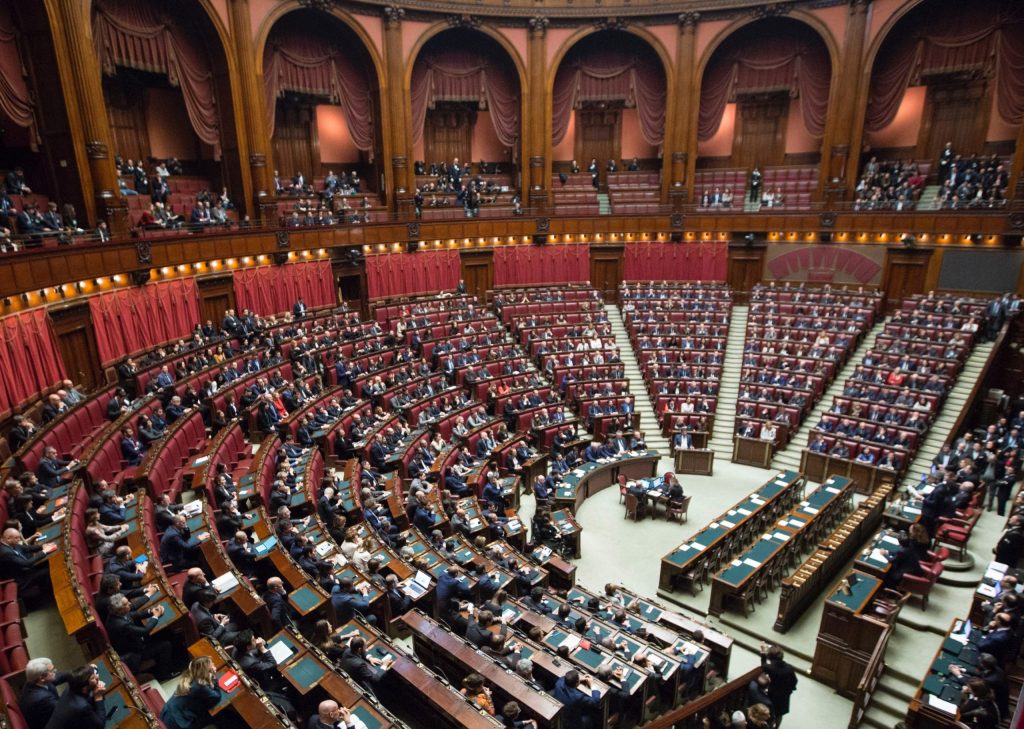
    In Italia, le donne continuano a essere sottorappresentate nei ruoli di leadership politica e aziendale, e le politiche di conciliazione lavoro-famiglia restano inadeguate. Non è un caso che solo il 33% dei parlamentari siano donne, un dato che, sebbene in crescita rispetto al 18,8% del 2006, rimane ben lontano dalla parità.

    Le Conseguenze di Questo Ritardo

    Questa disparità ha conseguenze dirette sulla nostra economia e sulla nostra società. Le donne italiane continuano a guadagnare meno degli uomini, ad avere minori opportunità di carriera e a dover spesso scegliere tra lavoro e famiglia, in un sistema che non le supporta adeguatamente. La mancanza di parità di genere limita il potenziale di crescita economica e sociale del nostro Paese. Ogni anno, l’Italia perde talenti preziosi che potrebbero contribuire a innovare e sviluppare nuovi settori dell’economia.

    Come Possiamo Invertire la Rotta?

    Non possiamo permetterci di continuare così. È necessario un cambiamento radicale, che parta dalla politica e arrivi fino alla società civile e alle imprese. Prima di tutto, servono leggi più incisive per garantire la parità di genere nei posti di lavoro, nelle istituzioni e nella società. Le aziende devono essere incentivate a promuovere le donne in ruoli di leadership e a creare un ambiente lavorativo che permetta di bilanciare carriera e vita privata.

    Inoltre, il governo deve investire in politiche di welfare che supportino le famiglie, come asili nido accessibili e congedi parentali equamente distribuiti tra uomini e donne. Queste misure non sono solo un dovere morale, ma anche una necessità economica. Un’economia che sfrutta appieno il potenziale di tutte le sue risorse umane è un’economia più forte, più dinamica e più resiliente.

    È Ora di Smettere di Aspettare

    Il Global Gender Gap Index 2024 ci dà un’ultima sveglia. Non possiamo più permetterci di rimanere indietro mentre altri paesi avanzano verso l’uguaglianza di genere. La parità non è solo una questione di giustizia sociale, ma anche di crescita e sviluppo per tutta la nostra nazione. Se vogliamo un’Italia competitiva, giusta e prospera, dobbiamo agire ora. Non possiamo più aspettare. È tempo di trasformare l’indignazione in azione concreta.

  • Le 10 Cose che Odiano i Candidati sul Processo di Selezione: Una Ricerca a Bologna

    Le 10 Cose che Odiano i Candidati sul Processo di Selezione: Una Ricerca a Bologna

    Durante una recente ricerca a Bologna, ho condotto un vox pop su un campione di uomini e donne tra i 20 e i 60 anni in cerca di occupazione, chiedendo loro cosa odiano di più quando si interfacciano con le agenzie interinali. I risultati sono stati rivelatori e, in alcuni casi, sorprendentemente spiritosi. Ecco una sintesi delle risposte raccolte:

    1. Le Lettere di Presentazione (Cover Letters)

    In cima alla lista delle cose più odiate troviamo le cover letters, descritte come “agonizzantemente noiose”. I candidati lamentano il dover leggere attentamente i lunghi requisiti del lavoro, per poi cercare di abbinare pezzi della loro esperienza a tali esigenze. Questo processo viene spesso percepito come una perdita di tempo e una formalità che non aggiunge valore alla candidatura.

    2. Inserire Manualmente i Dati (Anche se hai Allegato il CV)

    Al secondo posto, quasi a pari merito, c’è il fastidio di dover inserire manualmente le informazioni in un modulo, anche quando il CV è già stato allegato. Come un candidato ha commentato con una punta di sarcasmo:

    Forse è un test di resistenza mentale. Se riesci a sopravvivere alla terza volta che inserisci il tuo indirizzo, sei assunto!

    3. Feedback Automatici e Impersonali

    Ricevere un feedback automatico del tipo “Vista l’alta quantità di candidature, non possiamo rispondere personalmente…” è un altro aspetto che irrita profondamente i candidati. Dopotutto, come non sottolineare che, “Se avete avuto il tempo di contare quante domande avete ricevuto, forse ne avrete anche per scrivere due righe di feedback umano!”

    4. Il Silenzio da Parte dell’Employer

    Una delle lamentele più comuni riguarda il silenzio totale da parte delle aziende. I candidati dedicano tempo e attenzione per preparare la loro candidatura, e un semplice “no, grazie” sarebbe molto più apprezzato rispetto al nulla cosmico.

    5. Le Interviste Infinite

    Altro elemento esasperante sono le interviste interminabili: primo round, secondo round, terzo round… Alcuni si sentono intrappolati in un ciclo infinito, chiedendosi se, alla fine, ci sarà mai una fine. “Ho perso il conto delle interviste e ora mi chiedo: sto cercando un lavoro o sto partecipando a un reality show?” ha commentato un intervistato con un sorriso amaro.

    6. Poca Chiarezza su Salario, Benefici e Orario

    I candidati hanno sottolineato la mancanza di trasparenza su aspetti fondamentali come il salario, i benefici e la chiarezza sugli orari di lavoro e i permessi. Questi dettagli sono spesso oscuri sia negli annunci che durante le interviste, lasciando i candidati in balia dell’incertezza.

    7. “Ci Dispiace, Non Hai Abbastanza Esperienza”

    Una delle frasi più temute dai candidati: “Ci dispiace, non hai abbastanza esperienza.” Questo feedback è diventato quasi un mantra nel mondo del lavoro. I candidati si ritrovano così in un circolo vizioso che sembra un paradosso: “Come posso ottenere esperienza senza un lavoro, e come posso ottenere un lavoro senza esperienza? Dobbiamo chiederlo al gatto di Schrödinger?”

    8. “Ci Dispiace, Sei Troppo Qualificato”

    Dall’altra parte dello spettro, ci sono quelli che sono troppo qualificati per le posizioni entry-level. Un candidato ha descritto così la situazione: “Quindi, se sono troppo qualificato, significa che sono troppo bravo per fare bene il lavoro? Forse dovrei presentarmi con meno esperienza sul CV… o con un nome diverso, chissà!” È una logica che lascia i candidati con un sorriso perplesso e una sensazione di impotenza.

    9. Le Qualità Ricercate

    Frasi come “Giocatore di squadra dinamico con eccellenti capacità di comunicazione e una passione per la sinergia” sono viste come cliché privi di significato reale. Tali descrizioni generiche spesso lasciano i candidati perplessi su cosa esattamente l’azienda stia cercando.

    10. “Non è un Lavoro di Vendita… o Forse Sì”

    Infine, molti candidati hanno manifestato il loro disappunto per posizioni che vengono presentate come “non di vendita”, per poi rivelarsi esattamente il contrario. “Se cammina come un lavoro di vendita, parla come un lavoro di vendita… è un lavoro di vendita!” ha dichiarato un candidato, riassumendo l’irritazione comune.

    In conclusione, le opinioni dei candidati raccolte durante questa ricerca evidenziano aree critiche che le agenzie interinali e le aziende potrebbero migliorare per rendere il processo di ricerca del lavoro più trasparente e meno frustrante. Chiarezza, umanità e un po’ di considerazione possono fare una grande differenza nell’esperienza del candidato.

  • Standing ovation di oltre 13 minuti alla Prima della Scala per il “Godunov”

    Standing ovation di oltre 13 minuti alla Prima della Scala per il “Godunov”

    L’opera di Musorgskij diretta dal maestro Riccardo Chailly, ha ufficialmento aperto la stagione teatrale 2022/2023

    Boris Godunov – Teaser (Teatro alla Scala)

    Fiori lanciati sul palco e lunghissimi applausi hanno omaggiato la prima dell’opera Russa “Boris Godunov” di Modest Musorgskij

    Il dramma musicale popolare è un prologo di tre atti che ha visto l’ineguagliabile basso Russo Ildar Abdrazakov interpretare il protagonista principale lo Zar di Russia.

    L’opera di Musorgskij ispirata al poeta Alexander Sergeyevich Puškin, racconta della brutalità e del potere di Boris Godunov, che anni prima aveva fatto assassinare l’erede al trono Dimitri per impadronirsi della corona imperiale, e si rifugia nel monastero di Novodevisi.

    Nel convento si raccoglie il popolo, la cui ignoranza e apatia viene scossa dalle guardie che, minacciando la folla con bastoni, la esortano ad acclamare Boris come sovrano e a manifestare al futuro zar la propria riconoscenza.

    Gli interpreti delle parti principali sono stati: Ain Anger (Pimen), Stanislav Trofimov (Varlaam), Dmitry Golovnin (Grigorij Otrepev) e Norbert Ernst (Šujskij), Lilly Jørstad (Fëdor), mentre il coro del Teatro alla Scala è stato diretto dal Maestro Alberto Malazzi.

    La regia di Kasper Holten è stata magnificamente sostenuta dalle suggestive scenografie disegnate da Es Devlin, e dai sontuosi costumi creati Ida Marie Ellekilde, in un’atmosfera cupa persino con tratti horror, come la comparsa del fantasma insanguinato del piccolo Zarevic a cui tagliano la gola su ordine di Boris.

    Le luci di Jonas Bǿgh e i video di Luke Halls, hanno dato un effetto davvero reale, e hanno avvolto lo spettatore in questo dramma.

    La direzione del maestro Riccardo Chailly, è stata molto apprezzata in questa 25esima edizione.

    Memorabile fu la rappresentazione del 1979 di Abbado e Ljubimov, ma il Maestro Chailly ha voluto questo nuovo Boris, come nella sua prima versione, audace e visionario.

    Il Maestro Chailly dichiara:

    “il Boris Godunov è un capolavoro assoluto, da considerare patrimonio dell’umanità. È vero che da nove mesi siamo spettatori di una dolorosa guerra, ma la musica deve godere di libertà assoluta”.

    La Scala, ha voluto anche presentare le nuove personalità del corpo di ballo invitando alla Prima i suoi Primi Ballerini: Nicoletta Manni e Timofej Andrijashenko, Martina Arduino e Marco Agostino, e Alice Mariani (prima ballerina da pochi mesi), oltre all’étoile Roberto Bolle che dice:

    “Basta con le polemiche la cultura deve sempre prevalere”.

    Tra le personalità presenti anche Beppe Menegatti, ritornato in Teatro dopo la morte della moglie, la grande ballerina Carla Fracci. 

    Nel Ridotto dei Palchi sarà esposto il costume storico per la scena dell’incoronazione di Boris Godunov disegnato da Nicola Benois e indossato alla Scala da Nicola Rossi Lemeni nel 1956

  • Five tricks to get Back on Track after the holiday season

    Five tricks to get Back on Track after the holiday season

    Party season is over, leaving us with a bit of melancholy and a few pounds extra.

    As new year resolutions, many wish to get back on track and achieve the desired weight or start a new personal goal. Where to begin? Now that you are used to eating anything you like, not counting calories and preferring the sofa to the training shoes?

    The secret is to find the happy balance, not postpone your commitment to another day, and everything will become achievable.

    You are in charge, and you have the magic formula to prioritise your goals. Positive behaviour and I can do it attitude are the first steps for terrific results. Less than you realise, eating healthily and exercising regularly will be part of your life again.

    Getting back on track after the holiday season.- Credit Image- Kinga Cichewicz
     on Unsplash.

    1- the power of food

    After Christmas, magazines bombard with the message to clear the “toxic waste” to feel healthy and lose weight and publish numerous detox diets. The truth is that a detox diet is a myth without a scientific base; when you starve your body of calories, you will ultimately start to build up chemicals, so-called ketones.

    These substances bring these symptoms to our body: nausea, dehydration, weakness, light-headedness, and irritability. Further, a continued lack of protein causes your body to break down its own muscles and compromise your immune system. A balanced diet is the best approach that you can opt for.

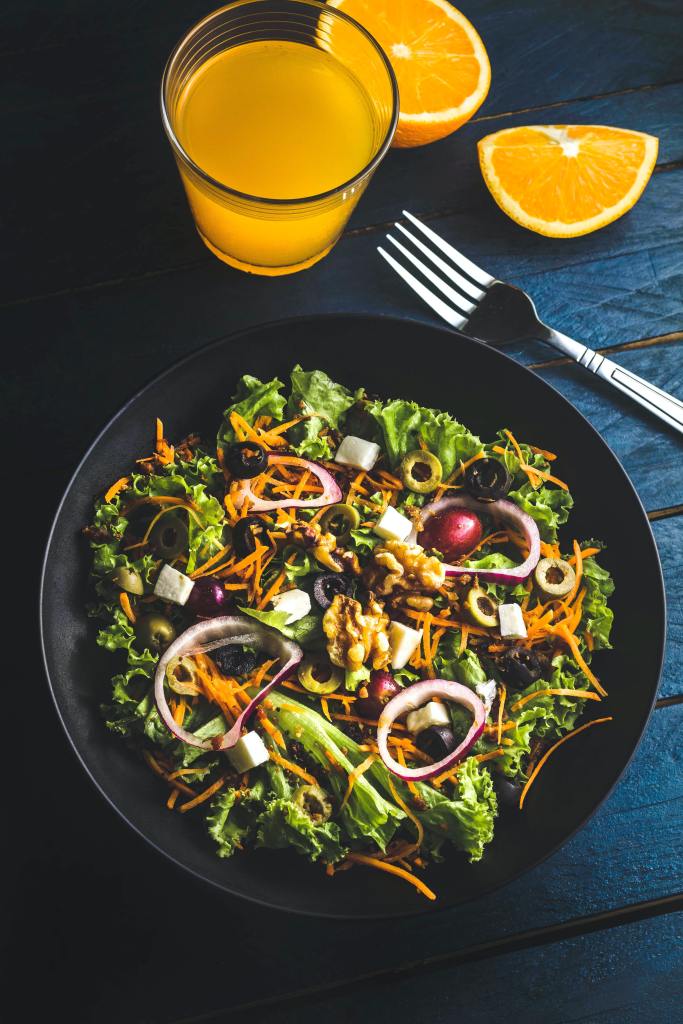
    Eat at least five portions of different fruit and vegetables a day; plenty of wholegrain cereals; lean meat, fish and alternatives and low-fat dairy products. You may consider reducing amounts. Swap sugary drinks and alcohol with alcohol-free and 0 sugar soft drinks. If you want to receive more accurate information about weight loss, contact your local GP Doctor.

    Food is power. Good food boost your mood –
    Image credit- Eiliv-Sonas Aceron on Unsplash.

    2- Plan your meal

    Planning meals for the week ahead seems complicated. However, it is easy to buy the first random thing or open the fridge and eat! Guess what? It is always junk food. To avoid unnecessary calories, choose a day and time more convenient for you, and dedicate this time to sit and plan. Take it as is “me time”. Look on BBC Good Food or Slimming World websites for recipe ideas, make notes of all the ingredients you need, go shopping, and create your weekly plan. Planning meals also helps you save money and time and stay on track avoiding temptations. That chocolate bar that you usually buy to eat in the nighttime.

    Planning is the key to success- Image Credit –  Hope House Press on Unsplash.

    3- Get Moving

    With Covid restrictions, it has been challenging to go to the gym or in the public swimming pools, but the good work can keep it on everywhere. Walk with your dog combining brisk walk and stroll.

     Increase your walking distance and speed gradually; there are many apps that you can download on your mobile for tracking your walks and improvements.

    Join local groups if you do not like to go alone or join swimmer groups.

    Even in winter, the benefits of cold water are significant; it boosts the immune system, improve circulation, burn calories and reduces stress. If swimming is not for you, many activities still maintain your fitness.

    Did you know that digging and planting can also help with physical health? Gardening reduces the risk of stroke, burns calories, works as stress relief utilising the smell sense, improves your immune system by staying outdoor, decreases osteoporosis, and reduces the risk of dementia. For more information about participating in activities; here

    Swimming helps you maintain a healthy weight, healthy heart and lungs- Image Credit-  Mark Williams on Unsplash.

    4- Eat more Veg

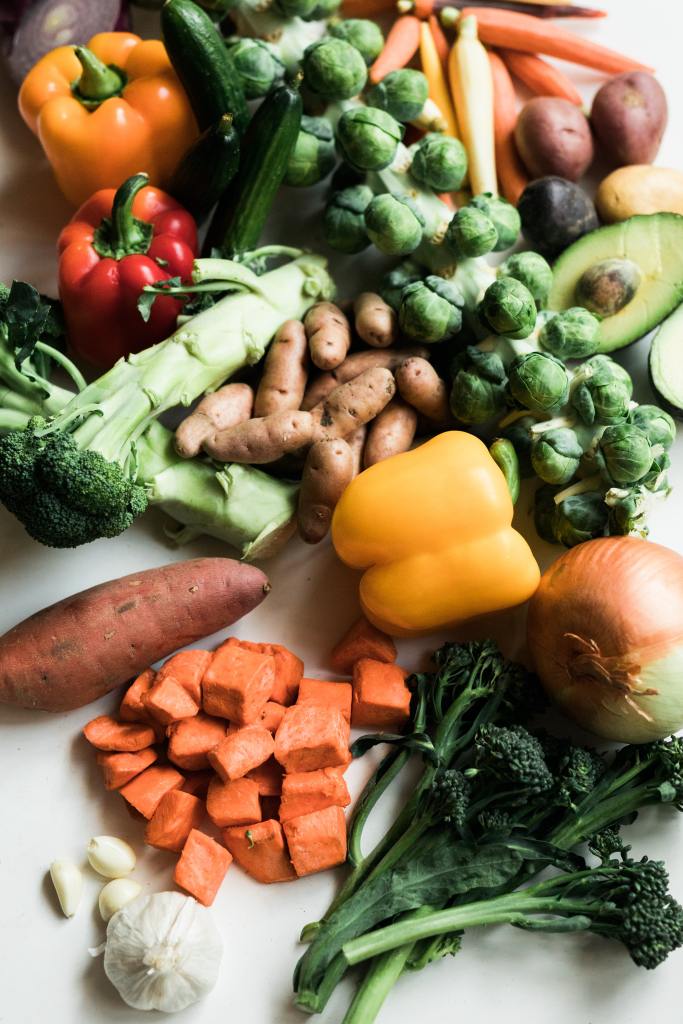
    A simple way to feel full and reduce calories is to fill your plate with ¾ vegetables. They’re packed with loads of vitamins, minerals, and beneficial plant compounds, contain fibre and water, which add bulk to your meals.

    The vegetable is satisfying; they keep you feeling fuller for longer than other food.

    The combined effects of all these properties actually reduce appetite naturally. When you feel peckish, grab some fruit or celery and carrots sticks. You will find that you need to eat less, and your skin will have a fabulous look.

    Vegetables are high volume and low in calories-  Image Credit –
    Nathan Dumlao on Unsplash

    5- take it easy

    Good habits take –
    time to stick.- Image Credit Josh Muller on Unsplash

    It is normal to have bad days; try to stay positive. Today has not been great; it will be tomorrow. Remember that this is your goal, dream, and aspiration; however, long-term changes are challenging, and good habits take time to stick. Do not be afraid to tell everyone about your plans so that your family and friends can support you when you feel to stumble.

    Do not let a small blunder put you off; it can be frustrating, but look at what you have learned so far. If today’s routine is slightly better than your old one, this is a success, something you have achieved.

    Keeping going when things don’t go to plan is the real difference, and you are in charge of your success.

  • SIX simple ways to make our lives greener and improve our wellbeing

    SIX simple ways to make our lives greener and improve our wellbeing

    Tips and advice to making more ethical choices in daily routines.

    Scientists and activists warn humanity of climate change disasters. Governments and businesses aim to tackle the climate crisis, committing to reach zero-net by 2050. However, the world still does too little, and individuals should also go greener.

    Adopting an eco-friendly lifestyle is crucial in caring for the planet. Still, it is also improving our health and wellbeing.

    A recent study by IPSOS found that sustainable living is linked with our health and wellbeing; in fact, nearly three people out of five think their health and wellbeing are strongly affected by environmental problems.

    Being more eco-friendly does not necessarily mean expensive measurements; It means changing our habits with small actions.

    If we are passionate about saving energy, the simple gesture of turning the thermostat down help us save money and support good physical health creating healthy indoor environments with beneficial temperatures and humidity levels. According to Mintel, surprisingly, the most recycling transgressors are the youngers; only 49% of 16-34-year-olds said they recycle all they can, while only 2% of mature Brits do not recycle in their household.

    Boomers and Millennials are more likely to consider ethics and sustainability and are enthusiastic recyclers than Gen Xers. According to an American survey, the latter is more likely to shower more than seven times weekly.

    However, people worldwide show interest in adopting more sustainable and healthy behaviours, but they do not know where to start. Hence, as follow a few advice and suggestions.

    Boomers are more likely to consider ethics and sustainability – Image Credit: CDC on Unsplash.

    1- Use alternative methods of transport

    Using an alternative method of transportation such as bicycle, walking, rollerblades, and skateboard, help you to maintain your hearth pump, and your circulation improves while reducing greenhouse emissions and c02.

    According to the British Heart Foundation statistics, coronary heart disease and stroke are the most significant cause of death; nearly 170,000 people a year.

    It is essential to take care of this factor, whatever your age is. However, the older we get, the more we should get active to avoid risks. The good news is never too late to start to build up new healthy habits, so why not consider commuting more responsible whenever we can?

    2- Eat well, eat consciously

    Every day we make food decisions, including costs, freshness, packaging, taste and culture. The concern around food is that globally, 1 in 9 people are hungry, and 2 in 10 are obese due to inequalities and food trends, such as extreme avocado consumption. It requires up to 320 litres of water each to grow.

    When we buy food from intensive resources GHGproducing such as processed food and meat, these impact our health by increasing allergies, obesity, and social implications in agriculture rules. Those strawberries that we like a lot in February instead of waiting for the summer production have a colossal impact environment; about a quarter of global greenhouse gas emissions are derived from food. How can we promote a sustainable diet?

    Avoid food waste, and buy organic when you can. Also, learn to read food labels, look for certified palm oil. Eat less processed food, and make varied seafood choices.

    Living eco-friendly is not only about saving the planet; It is also about the community.
    Image Credit:  Benjamin Combs on Unsplash.

    3- Get social

    Living eco-friendly is not only about saving the planet and eating well. It is also the community. Get informed about your area’s activities or find your network on social media, for example, volunteering for your community garden/backyard or cleaning the beach.

    Join groups and make friends while building social connections among people who share your same values; this keeps you healthy, mentally and physically fit.

    4- air quality in our home

    Indoor air pollution produced indoor can be just as harmful as the outdoor. This pollution is created from cooking and heating with traditional coal stoves and toxic chemicals emitted from cleaning products and paints colours. According to home research, indoor pollutants can develop Sick Building Syndrome. Sick Building Syndrome symptoms are; mild headaches, fatigue and dry eyes, and more severe allergies such as asthma attacks.

    Poor quality indoor air can also develop cancer, damage your liver and kidneys, and affect your nervous system and mental performance. A simple gesture of changing air by opening windows regularly increase airflow and freshness.

    – Choose non-toxic low-VOC colours for the house and furniture – babies and young children are at the highest risk of health hazards from indoor chemicals.

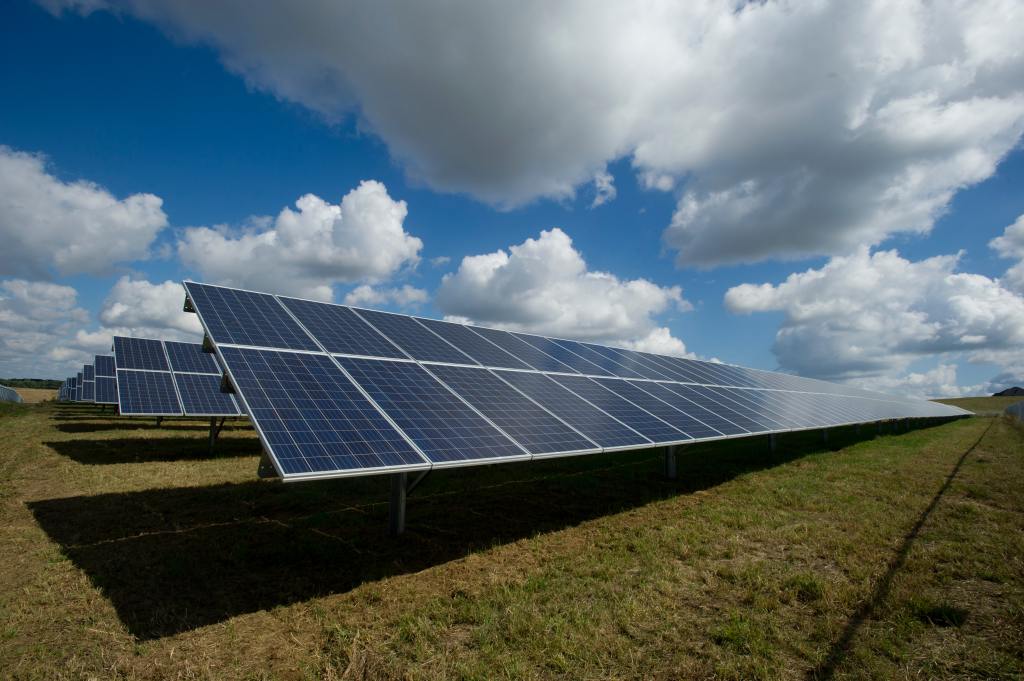
    Use green energy to improve air pollution-
    Image Credit: American Public Power Association on Unsplash.

    5- Adopt Green Energy Sources

    Switch to green energy suppliers to improve air pollution – With the Government Scheme, you could be eligible for the boiler grant

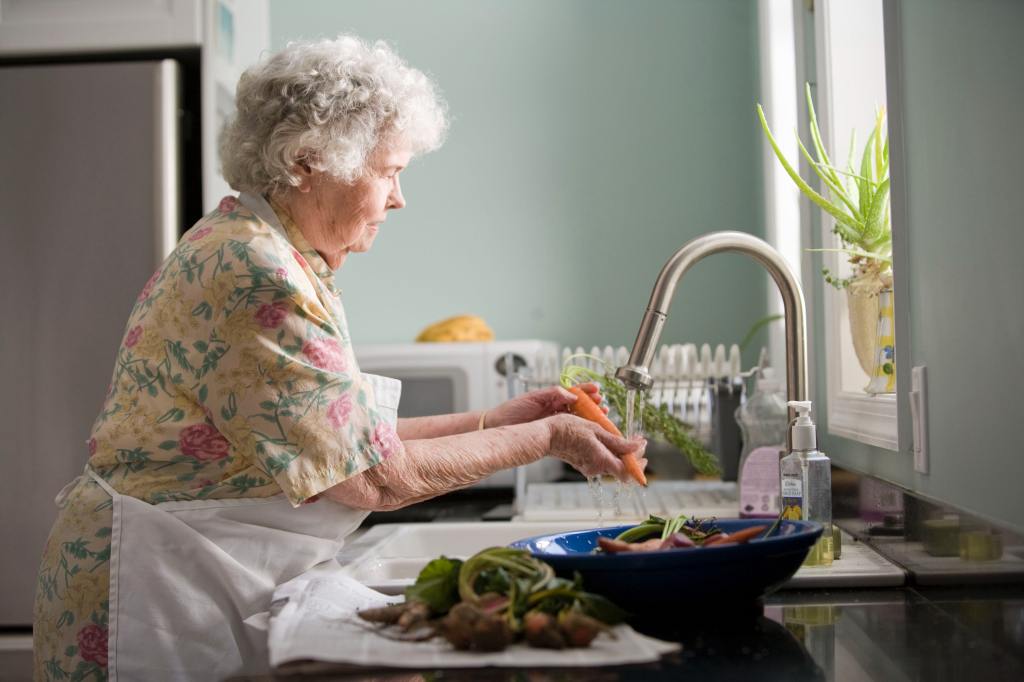
    “Solar Panel Funding” is standing up to help in the fight against fuel poverty in the UK, you can earn an income by producing your own energy, also it is so sustainable because you protect the environment reducing your carbon footprint.

    Add outdoor air-purifying vegetation – New research suggests that making ‘green roofs/walls’ could substantially reduce the impact of urban air pollution. Also, many ornamental plants keep your space restored.

    6- Save water

    Water-saving appliances can save 30% of water usage, saving your money and preventing anxiety when the bill is due.

    The latest Stress survey conducted by the American Psychological Association states that money is a top cause of stress for many individuals.

    Water-saving techniques can save your money and prevent anxiety
    Image Credit: Jacek Dylag on Unsplash.

    How can we save money on our water bills?

    Check all water-using appliances, and stop leaks.

    Replace old toilets – It might seem high-cost maintenance, but the more the toilet is old, the more water it consumes; toilets built before 1982 use 5 to 7 gallons per flush.

    Replace old washing machines; they are the second-largest water consumer in your home; nowadays, many eco-friendly brands make you save energy and water.

    Choose the plants for your garden/balcony according to the weather you live, to provide the right amount of water. Choose low-water and resistant vegetation. Remember, automatic landscape irrigation systems are a home’s biggest water user.

  • Is the media industry open to non-native English speakers in the U.K.?

    Is the media industry open to non-native English speakers in the U.K.?

    As a mature student and in my second language, I recently graduated with first-class honours in Journalism. I was over the moon for such achievement, and straight away after graduation, I started applying for any job in  Journalism, communication assistant, copywriter, P.R. assistant, etcetera.

    I attended so many job interviews, but all the time, the result was always the same.

    “Sorry, but I can hear your accent in your writing.” Or “Yes, there is the potential; however, you are not a native speaker.” I have also been asked: “Are you sure that you are willing to work?”

    Soon, all my hopes to become a professional writer crashed into reality, that is; The media industry in the U.K. discriminates against non-native English speakers.

    I knew it was hard to find a job in the media sector; however, I did not expect an industry that should be multicultural to be so narrow-minded.

    I also applied to apprentice programmes, volunteering, and internships. The result was always the same; As soon they listened to me talk, they were unwilling to give me a chance.

     Employers concentrated on my accent and being an Italian rather than looking at my portfolio.

    In the beginning, women organisations were impressed with my work. When I offered my assistance, they would have taken me as long as I was not promoted on their website or, even worse, give a British girl my work name.

    From my personal experience, I have found that the worst were P.R. and marketing agencies. Now, I am not saying that everyone out there is no genuine employer. However, seemed suspicious to me that attending two job interviews per day, and no one, I mean no one, saw me as a valuable employee?

    So, why are they inviting me to all these interviews if I am not so good? Perhaps because a woman, not young, and Italian tick all the boxes, making them look good in promoting equality and diversity?

    Before making any assumptions, let’s see how the Journalism environment in the U.K.

    Who Journalists In The U.K. Are?

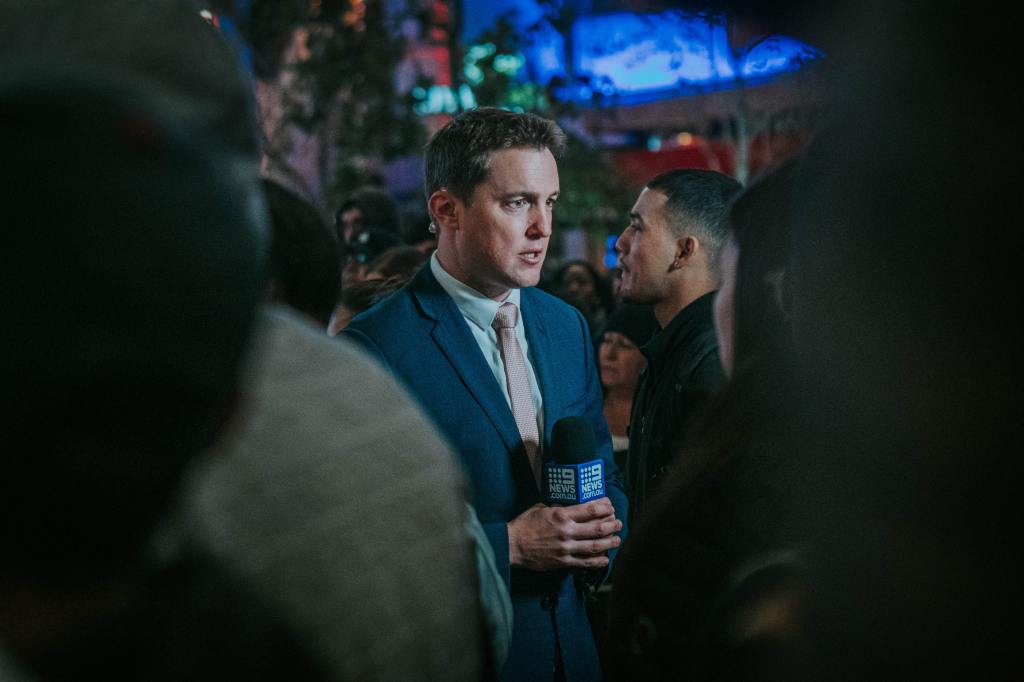
    Representation of Journalists in the U.K. ( Image Credit: Fred Kearney/Unsplash)

    A survey carried out by the Reuters Institute Report about journalists in the U.K. shows that 45% of journalists are females, which is considered a high rate compared with other professional industries.

    The gathered data reports that women are more likely to be employed part-time or freelance. Journalists employed by an organisation; have a higher proportion of women earning less than £2,401/monthly while men are more likely to earn over £4,000/monthly. However, the senior management is predominantly male.

    According to the report, journalists’ political stance in the U.K. indicates that half of the journalists have left and central political views. The other half is split between the left and the centre; although right or centre, political beliefs increase with the development of responsibilities.

    A very interesting figure is the diversity rate of journalism in the U.K.

    The NCTJ report 2018 estimates that 90% of journalists are white.

     Considering that most journalism employment comes from London, or urban centres, with significant ethnic minorities, non-white journalists are discriminated against from the industry.

    U.K. Census data shows that the most underrepresented are black Britons, who are the 3% of the population; however, only 0,2% is employed in journalism.

    The Asian Britons group makes 7% of the population, but just 3% are journalism. Ethnicity discrimination at work is in third place for the nature of discrimination before gender and age.

    A freelance writer and financial journalist said: “I have had my fair share of bad experiences, but I won’t judge the whole industry based on a bad experience that I had.

    “The industry has its fair share of the challenge as well but also have many benefits, so it works for me.”

    A Muslim magazine Editor said: “I once applied for a job, and I was rejected the first time. When I used an English sound name, I had offered the job interview.”

    Are Uk employers Discriminating Against Non-Native Speakers?

    One Of My Job Application For a Copywriter Position.

    When I started applying for jobs straight after University, I understood that employers did not trust my skills, especially my language, even if I took A levels and a university degree in this country.

    I had the feeling that I was not taken seriously. For example, during a job interview for a well-known market agency, my interviewer made fun of the books I had in my background and about my ability to read in English.

    Another time, being interviewed for a social media role from a famous clothing brand, they asked me how do I correct my spelling grammar.

    I have explained that as a professional writer, I work alongside an algorithm pontifying that even in my mother tongue, I would have used it because you want to deliver the best.

    Obviously, they laughed and after half an hour, arrived an email, saying that I was not successful in that position, for no particular reason.

    An experiment carried out by the GEMM project involved varying minorities backgrounds.

    False job applicants applied for 3200 jobs, holding their skills, qualifications and work experience.

    The majority group; were from Western Europe and the U.K. this group received positive responses from employers.

    While for ethnic minorities having identical resumes and cover letters needed to send 60% applications more to receive as many call-backs as the majority group.

    Black Caribbean, African, Indian, Pakistani and Chinese groups – experienced significant discrimination.

    British employers treated minorities of European background relatively fairly; however, this was before the Brexit.

    According to the GEMM report, concerns from employers were: poor English language fluency and imperfect recognition of foreign qualifications.

    All minority applicants were British-born or had arrived in Britain at the age of six, with  Education and training completed in Britain. This information was notified in the cover letter and CV, written without any spelling mistakes.

    What Does the Law Say About Discrimination In The U.K.?

    The Equality Act 2010 protects employees from unfair treatment. ( Image Credit: Ehimetalor AKhere Unuabona/Unsplash)

    Journalists in the U.K. are protected, like other workers categories.

     Equality Act 2010 protects you against any discrimination in the workplace at all stages of employment.

    More information about rights and the Act can be found on EOC.

     It is crucial to know your rights and protect yourself when you apply for any job or when in your workplace.

    For that, the National Union of Journalists – NUJ is the voice that protects journalists.

    The Union also covers freelances, P.R., writers, and anyone who works in the media sector. Join in the Union it is also beneficial for promoting diversity, tackling prejudice and under-representation of minority groups. The NUJ is not affiliated with any political party. 

    A spokesperson of the NUJ said: “If you are a member of the NUJ and are discriminated against as part of your work, the Union will take up your case and challenge this with the employer, taking legal action if appropriate.

    “This year alone, the Union has netted more than £5.5 million for its members and the awards for damages from unfair dismissal, wages, and discrimination claims amounted to more than £1.4m.”

     The NUJ supports collective action in the workplace to ensure that discriminatory practices are called out.

    Subscriptions are salary-based, and lower-paid members in any sector can use the reduced contribution rate of 1% of their taxable income. This is £12.00 a month (£144 a year)/€12.60 a month (€151.20 a year)

    Here is how to join the Union.