L’opera di Musorgskij diretta dal maestro Riccardo Chailly, ha ufficialmento aperto la stagione teatrale 2022/2023
Boris Godunov – Teaser (Teatro alla Scala)
Fiori lanciati sul palco e lunghissimi applausi hanno omaggiato la prima dell’opera Russa “Boris Godunov” di Modest Musorgskij
Il dramma musicale popolare è un prologo di tre atti che ha visto l’ineguagliabile basso Russo Ildar Abdrazakov interpretare il protagonista principale lo Zar di Russia.
L’opera di Musorgskij ispirata al poeta Alexander Sergeyevich Puškin, racconta della brutalità e del potere di Boris Godunov, che anni prima aveva fatto assassinare l’erede al trono Dimitri per impadronirsi della corona imperiale, e si rifugia nel monastero di Novodevisi.
Nel convento si raccoglie il popolo, la cui ignoranza e apatia viene scossa dalle guardie che, minacciando la folla con bastoni, la esortano ad acclamare Boris come sovrano e a manifestare al futuro zar la propria riconoscenza.
Gli interpreti delle parti principali sono stati: Ain Anger (Pimen), Stanislav Trofimov (Varlaam), Dmitry Golovnin (Grigorij Otrepev) e Norbert Ernst (Šujskij), Lilly Jørstad (Fëdor), mentre il coro del Teatro alla Scala è stato diretto dal Maestro Alberto Malazzi.
La regia di Kasper Holten è stata magnificamente sostenuta dalle suggestive scenografie disegnate da Es Devlin, e dai sontuosi costumi creati Ida Marie Ellekilde, in un’atmosfera cupa persino con tratti horror, come la comparsa del fantasma insanguinato del piccolo Zarevic a cui tagliano la gola su ordine di Boris.
Le luci di Jonas Bǿgh e i video di Luke Halls, hanno dato un effetto davvero reale, e hanno avvolto lo spettatore in questo dramma.
La direzione del maestro Riccardo Chailly, è stata molto apprezzata in questa 25esima edizione.
Memorabile fu la rappresentazione del 1979 di Abbado e Ljubimov, ma il Maestro Chailly ha voluto questo nuovo Boris, come nella sua prima versione, audace e visionario.
Il Maestro Chailly dichiara:
“il Boris Godunov è un capolavoro assoluto, da considerare patrimonio dell’umanità. È vero che da nove mesi siamo spettatori di una dolorosa guerra, ma la musica deve godere di libertà assoluta”.
La Scala, ha voluto anche presentare le nuove personalità del corpo di ballo invitando alla Prima i suoi Primi Ballerini: Nicoletta Manni e Timofej Andrijashenko, Martina Arduino e Marco Agostino, e Alice Mariani (prima ballerina da pochi mesi), oltre all’étoile Roberto Bolle che dice:
“Basta con le polemiche la cultura deve sempre prevalere”.
Tra le personalità presenti anche Beppe Menegatti, ritornato in Teatro dopo la morte della moglie, la grande ballerina Carla Fracci.
Nel Ridotto dei Palchi sarà esposto il costume storico per la scena dell’incoronazione di Boris Godunov disegnato da Nicola Benois e indossato alla Scala da Nicola Rossi Lemeni nel 1956
Party season is over, leaving us with a bit of melancholy and a few pounds extra.
As new year resolutions, many wish to get back on track and achieve the desired weight or start a new personal goal. Where to begin? Now that you are used to eating anything you like, not counting calories and preferring the sofa to the training shoes?
The secret is to find the happy balance, not postpone your commitment to another day, and everything will become achievable.
You are in charge, and you have the magic formula to prioritise your goals. Positive behaviour and I can do it attitude are the first steps for terrific results. Less than you realise, eating healthily and exercising regularly will be part of your life again.
Getting back on track after the holiday season.- Credit Image- Kinga Cichewicz on Unsplash.
1- the power of food
After Christmas, magazines bombard with the message to clear the “toxic waste” to feel healthy and lose weight and publish numerous detox diets. The truth is that a detox diet is a myth without ascientific base; when you starve your body of calories, you will ultimately start to build up chemicals, so-called ketones.
These substances bring these symptoms to our body: nausea, dehydration, weakness, light-headedness, and irritability. Further, a continued lack of protein causes your body to break down its own muscles and compromise your immune system. A balanced diet is the best approach that you can opt for.
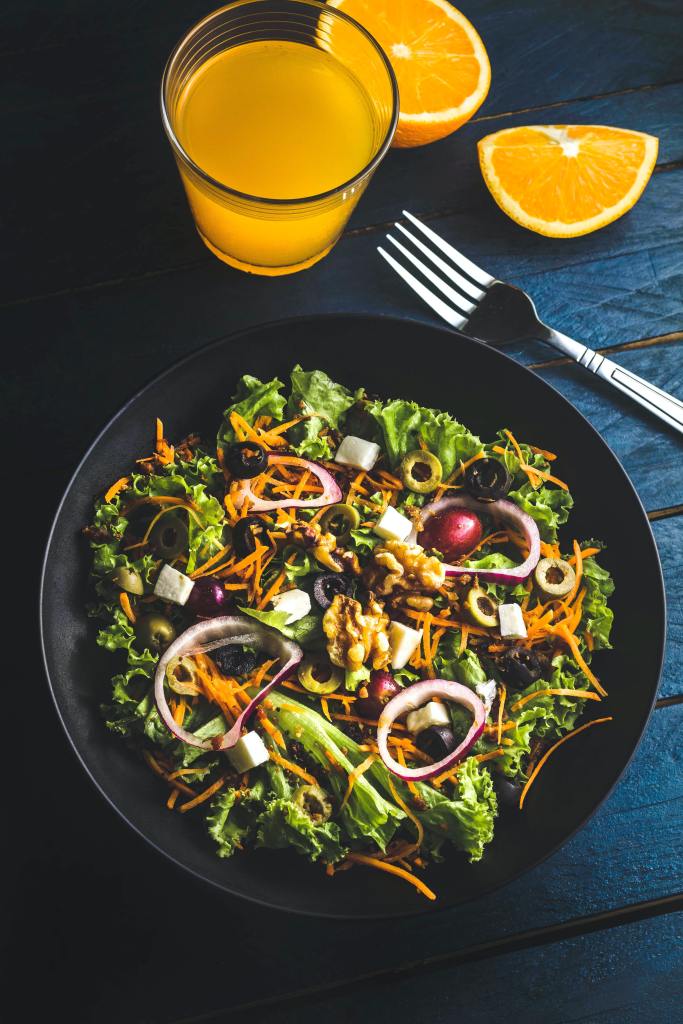
Eat at least five portions of different fruit and vegetables a day; plenty of wholegrain cereals; lean meat, fish and alternatives and low-fat dairy products. You may consider reducing amounts. Swap sugary drinks and alcohol with alcohol-free and 0 sugar soft drinks. If you want to receive more accurate information about weight loss, contact your local GP Doctor.
Planning meals for the week ahead seems complicated. However, it is easy to buy the first random thing or open the fridge and eat! Guess what? It is always junk food. To avoid unnecessary calories, choose a day and time more convenient for you, and dedicate this time to sit and plan. Take it as is “me time”. Look on BBC Good Food orSlimming World websites for recipe ideas, make notes of all the ingredients you need, go shopping, and create your weekly plan. Planning meals also helps you save money and time and stay on track avoiding temptations. That chocolate bar that you usually buy to eat in the nighttime.
Planning is the key to success- Image Credit – Hope House Press on Unsplash.
3- Get Moving
With Covid restrictions, it has been challenging to go to the gym or in the public swimming pools, but the good work can keep it on everywhere. Walk with your dog combining brisk walk and stroll.
Increase your walking distance and speed gradually; there are many apps that you can download on your mobile for tracking your walks and improvements.
Join local groups if you do not like to go alone or join swimmer groups.
Even in winter, the benefits of cold water are significant; it boosts the immune system, improve circulation, burn calories and reduces stress. If swimming is not for you, many activities still maintain your fitness.
Did you know that digging and planting can also help with physical health? Gardening reduces the risk of stroke, burns calories, works as stress relief utilising the smell sense, improves your immune system by staying outdoor, decreases osteoporosis, and reduces the risk of dementia. For more information about participating in activities; here
Swimming helps you maintain a healthy weight, healthy heart and lungs- Image Credit- Mark Williams on Unsplash.
4- Eat more Veg
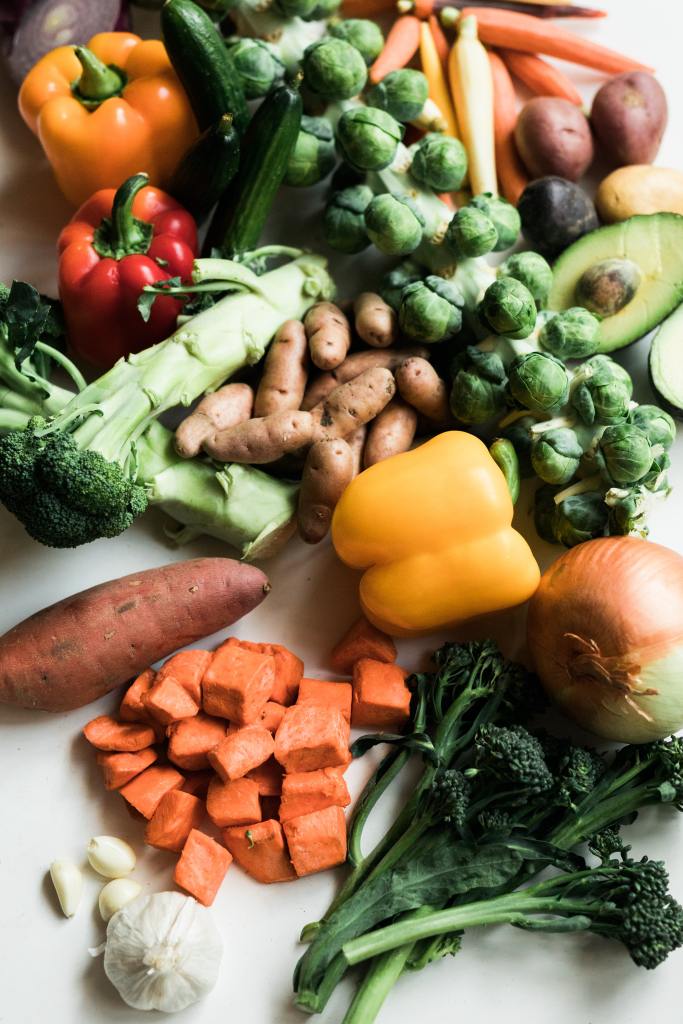
A simple way to feel full and reduce calories is to fill your plate with ¾ vegetables. They’re packed with loads of vitamins, minerals, and beneficial plant compounds, contain fibre and water, which add bulk to your meals.
The vegetable is satisfying; they keep you feeling fuller for longer than other food.
The combined effects of all these properties actually reduce appetite naturally. When you feel peckish, grab some fruit or celery and carrots sticks. You will find that you need to eat less, and your skin will have a fabulous look.
Vegetables are high volume and low in calories- Image Credit – Nathan Dumlao on Unsplash
5- take it easy
Good habits take – time to stick.- Image Credit Josh Muller on Unsplash
It is normal to have bad days; try to stay positive. Today has not been great; it will be tomorrow. Remember that this is your goal, dream, and aspiration; however, long-term changes are challenging, and good habits take time to stick. Do not be afraid to tell everyone about your plans so that your family and friends can support you when you feel to stumble.
Do not let a small blunder put you off; it can be frustrating, but look at what you have learned so far. If today’s routine is slightly better than your old one, this is a success, something you have achieved.
Keeping going when things don’t go to plan is the real difference, and you are in charge of your success.
Tips and advice to making more ethical choices in daily routines.
Scientists and activists warn humanity of climate change disasters. Governments and businesses aim to tackle the climate crisis, committing to reach zero-net by 2050. However, the world still does too little, and individuals should also go greener.
Adopting an eco-friendly lifestyle is crucial in caring for the planet. Still, it is also improving our health and wellbeing.
A recent study by IPSOS found that sustainable living is linked with our health and wellbeing; in fact, nearly three people out of five think their health and wellbeing are strongly affected by environmental problems.
Being more eco-friendly does not necessarily mean expensive measurements; It means changing our habits with small actions.
If we are passionate about saving energy, the simple gesture of turning the thermostat down help us save money and support good physical health creating healthy indoor environments with beneficial temperatures and humidity levels. According toMintel, surprisingly, the most recycling transgressors are the youngers; only 49% of 16-34-year-olds said they recycle all they can, while only 2% of mature Brits do not recycle in their household.
Boomers and Millennials are more likely to consider ethics and sustainability and are enthusiastic recyclers than Gen Xers. According to an American survey, the latter is more likely to shower more than seven times weekly.
However, people worldwide show interest in adopting more sustainable and healthy behaviours, but they do not know where to start. Hence, as follow a few advice and suggestions.
Boomers are more likely to consider ethics and sustainability – Image Credit: CDC on Unsplash.
1- Use alternative methods of transport
Using an alternative method of transportation such as bicycle, walking, rollerblades, and skateboard, help you to maintain your hearth pump, and your circulation improves while reducing greenhouse emissions and c02.
According to the British Heart Foundation statistics, coronary heart disease and stroke are the most significant cause of death; nearly 170,000 people a year.
It is essential to take care of this factor, whatever your age is. However, the older we get, the more we should get active to avoid risks. The good news is never too late to start to build up new healthy habits, so why not consider commuting more responsible whenever we can?
2- Eat well, eat consciously
Every day we make food decisions, including costs, freshness, packaging, taste and culture. The concern around food is that globally, 1 in 9 people are hungry, and 2 in 10 are obese due to inequalities and food trends, such as extreme avocado consumption. It requires up to 320 litres of water each to grow.
When we buy food from intensive resources GHGproducing such as processed food and meat, these impact our health by increasing allergies, obesity, and social implications in agriculture rules. Those strawberries that we like a lot in February instead of waiting for the summer production have a colossal impact environment; about a quarter of global greenhouse gas emissions are derived from food. How can we promote a sustainable diet?
Avoid food waste, and buy organic when you can. Also, learn to read food labels, look for certified palm oil. Eat less processed food, and make varied seafood choices.
Living eco-friendly is not only about saving the planet; It is also about the community. Image Credit: Benjamin Combs on Unsplash.
3- Get social
Living eco-friendly is not only about saving the planet and eating well. It is also the community. Get informed about your area’s activities or find your network on social media, for example, volunteering for your community garden/backyard or cleaning the beach.
Join groups and make friends while building social connections among people who share your same values; this keeps you healthy, mentally and physically fit.
4- air quality in our home
Indoor air pollution produced indoor can be just as harmful as the outdoor. This pollution is created from cooking and heating with traditional coal stoves and toxic chemicals emitted from cleaning products and paints colours. According to home research, indoor pollutants can develop Sick Building Syndrome. Sick Building Syndrome symptoms are; mild headaches, fatigue and dry eyes, and more severe allergies such as asthma attacks.
Poor quality indoor air can also develop cancer, damage your liver and kidneys, and affect your nervous system and mental performance. A simple gesture of changing air by opening windows regularly increase airflow and freshness.
– Choose non-toxic low-VOC colours for the house and furniture – babies and young children are at the highest risk of health hazards from indoor chemicals.
Switch to green energy suppliers to improve air pollution – With the Government Scheme, you could be eligible for the boiler grant
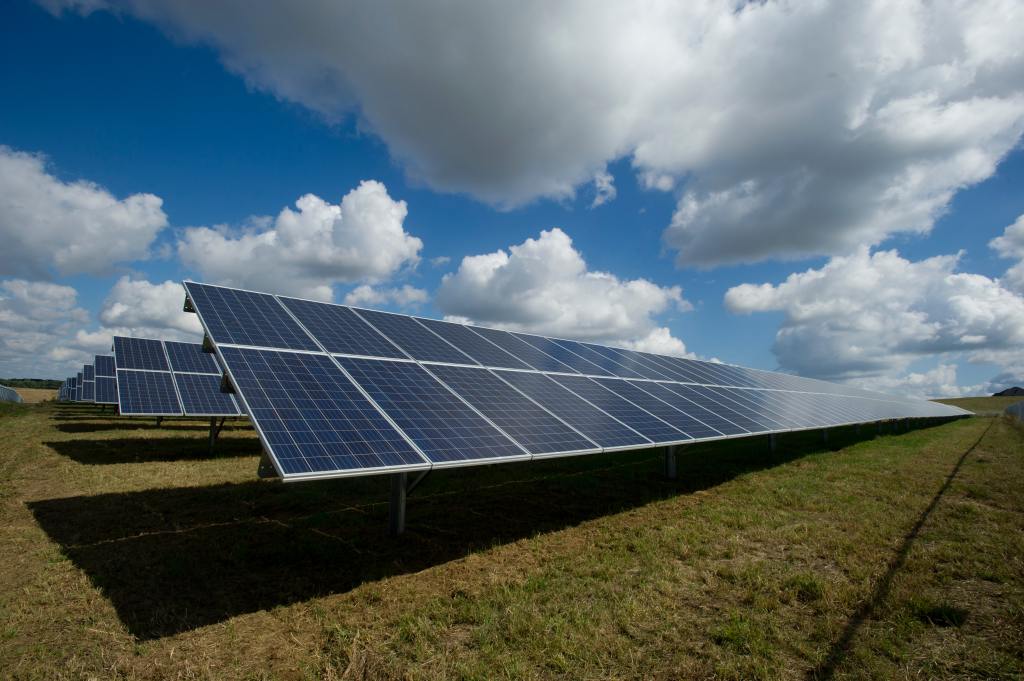
“Solar Panel Funding” is standing up to help in the fight against fuel poverty in the UK, you can earn an income by producing your own energy, also it is so sustainable because you protect the environment reducing your carbon footprint.
Add outdoor air-purifying vegetation – New research suggests that making ‘green roofs/walls’ could substantially reduce the impact of urban air pollution. Also, many ornamental plants keep your space restored.
6- Save water
Water-saving appliances can save 30% of water usage, saving your money and preventing anxiety when the bill is due.
The latest Stress survey conducted by the American Psychological Association states that money is a top cause of stress for many individuals.
Water-saving techniques can save your money and prevent anxiety Image Credit: Jacek Dylag on Unsplash.
How can we save money on our water bills?
Check all water-using appliances, and stop leaks.
Replace old toilets – It might seem high-cost maintenance, but the more the toilet is old, the more water it consumes; toilets built before 1982 use 5 to 7 gallons per flush.
Replace old washing machines; they are the second-largest water consumer in your home; nowadays, many eco-friendly brands make you save energy and water.
Choose the plants for your garden/balcony according to the weather you live, to provide the right amount of water. Choose low-water and resistant vegetation. Remember, automatic landscape irrigation systems are a home’s biggest water user.
As a mature student and in my second language, I recently graduated with first-class honours in Journalism. I was over the moon for such achievement, and straight away after graduation, I started applying for any job in Journalism, communication assistant, copywriter, P.R. assistant, etcetera.
I attended so many job interviews, but all the time, the result was always the same.
“Sorry, but I can hear your accent in your writing.” Or “Yes, there is the potential; however, you are not a native speaker.” I have also been asked: “Are you sure that you are willing to work?”
Soon, all my hopes to become a professional writer crashed into reality, that is; The media industry in the U.K. discriminates against non-native English speakers.
I knew it was hard to find a job in the media sector; however, I did not expect an industry that should be multicultural to be so narrow-minded.
I also applied to apprentice programmes, volunteering, and internships. The result was always the same; As soon they listened to me talk, they were unwilling to give me a chance.
Employers concentrated on my accent and being an Italian rather than looking at my portfolio.
In the beginning, women organisations were impressed with my work. When I offered my assistance, they would have taken me as long as I was not promoted on their website or, even worse, give a British girl my work name.
From my personal experience, I have found that the worst were P.R. and marketing agencies. Now, I am not saying that everyone out there is no genuine employer. However, seemed suspicious to me that attending two job interviews per day, and no one, I mean no one, saw me as a valuable employee?
So, why are they inviting me to all these interviews if I am not so good? Perhaps because a woman, not young, and Italian tick all the boxes, making them look good in promoting equality and diversity?
Before making any assumptions, let’s see how the Journalism environment in the U.K.
Who Journalists In The U.K. Are?
Representation of Journalists in the U.K. ( Image Credit: Fred Kearney/Unsplash)
A survey carried out by the Reuters Institute Report about journalists in the U.K. shows that 45% of journalists are females, which is considered a high rate compared with other professional industries.
The gathered data reports that women are more likely to be employed part-time or freelance. Journalists employed by an organisation; have a higher proportion of women earning less than £2,401/monthly while men are more likely to earn over £4,000/monthly. However, the senior management is predominantly male.
According to the report, journalists’ political stance in the U.K. indicates that half of the journalists have left and central political views. The other half is split between the left and the centre; although right or centre, political beliefs increase with the development of responsibilities.
A very interesting figure is the diversity rate of journalism in the U.K.
The NCTJreport 2018 estimates that 90% of journalists are white.
Considering that most journalism employment comes from London, or urban centres, with significant ethnic minorities, non-white journalists are discriminated against from the industry.
U.K. Census data shows that the most underrepresented are black Britons, who are the 3% of the population; however, only 0,2% is employed in journalism.
The Asian Britons group makes 7% of the population, but just 3% are journalism. Ethnicity discrimination at work is in third place for the nature of discrimination before gender and age.
A freelance writer and financial journalist said: “I have had my fair share of bad experiences, but I won’t judge the whole industry based on a bad experience that I had.
“The industry has its fair share of the challenge as well but also have many benefits, so it works for me.”
A Muslim magazine Editor said: “I once applied for a job, and I was rejected the first time. When I used an English sound name, I had offered the job interview.”
Are Uk employers Discriminating Against Non-Native Speakers?
One Of My Job Application For a Copywriter Position.
When I started applying for jobs straight after University, I understood that employers did not trust my skills, especially my language, even if I took A levels and a university degree in this country.
I had the feeling that I was not taken seriously. For example, during a job interview for a well-known market agency, my interviewer made fun of the books I had in my background and about my ability to read in English.
Another time, being interviewed for a social media role from a famous clothing brand, they asked me how do I correct my spelling grammar.
I have explained that as a professional writer, I work alongside an algorithm pontifying that even in my mother tongue, I would have used it because you want to deliver the best.
Obviously, they laughed and after half an hour, arrived an email, saying that I was not successful in that position, for no particular reason.
An experiment carried out by the GEMM project involved varying minorities backgrounds.
False job applicants applied for 3200 jobs, holding their skills, qualifications and work experience.
The majority group; were from Western Europe and the U.K. this group received positive responses from employers.
While for ethnic minorities having identical resumes and cover letters needed to send 60% applications more to receive as many call-backs as the majority group.
Black Caribbean, African, Indian, Pakistani and Chinese groups – experienced significant discrimination.
British employers treated minorities of European background relatively fairly; however, this was before the Brexit.
According to the GEMM report, concerns from employers were: poor English language fluency and imperfect recognition of foreign qualifications.
All minority applicants were British-born or had arrived in Britain at the age of six, with Education and training completed in Britain. This information was notified in the cover letter and CV, written without any spelling mistakes.
What Does the Law Say About Discrimination In The U.K.?
The Equality Act 2010 protects employees from unfair treatment. ( Image Credit: Ehimetalor AKhere Unuabona/Unsplash)
Journalists in the U.K. are protected, like other workers categories.
Equality Act 2010 protects you against any discrimination in the workplace at all stages of employment.
More information about rights and the Act can be found on EOC.
It is crucial to know your rights and protect yourself when you apply for any job or when in your workplace.
For that, the National Union of Journalists – NUJ is the voice that protects journalists.
The Union also covers freelances, P.R., writers, and anyone who works in the media sector. Join in the Union it is also beneficial for promoting diversity, tackling prejudice and under-representation of minority groups. The NUJ is not affiliated with any political party.
A spokesperson of the NUJ said: “If you are a member of the NUJ and are discriminated against as part of your work, the Union will take up your case and challenge this with the employer, taking legal action if appropriate.
“This year alone, the Union has netted more than £5.5 million for its members and the awards for damages from unfair dismissal, wages, and discrimination claims amounted to more than £1.4m.”
The NUJ supports collective action in the workplace to ensure that discriminatory practices are called out.
Subscriptions are salary-based, and lower-paid members in any sector can use the reduced contribution rate of 1% of their taxable income. This is £12.00 a month (£144 a year)/€12.60 a month (€151.20 a year)
Middlesbrough has been placed in the top tier 3 following the latest national lockdown.
The Government has placed Teesside and the wider North East in tier 3 in an attempt to bring down the rate of infection in the region.
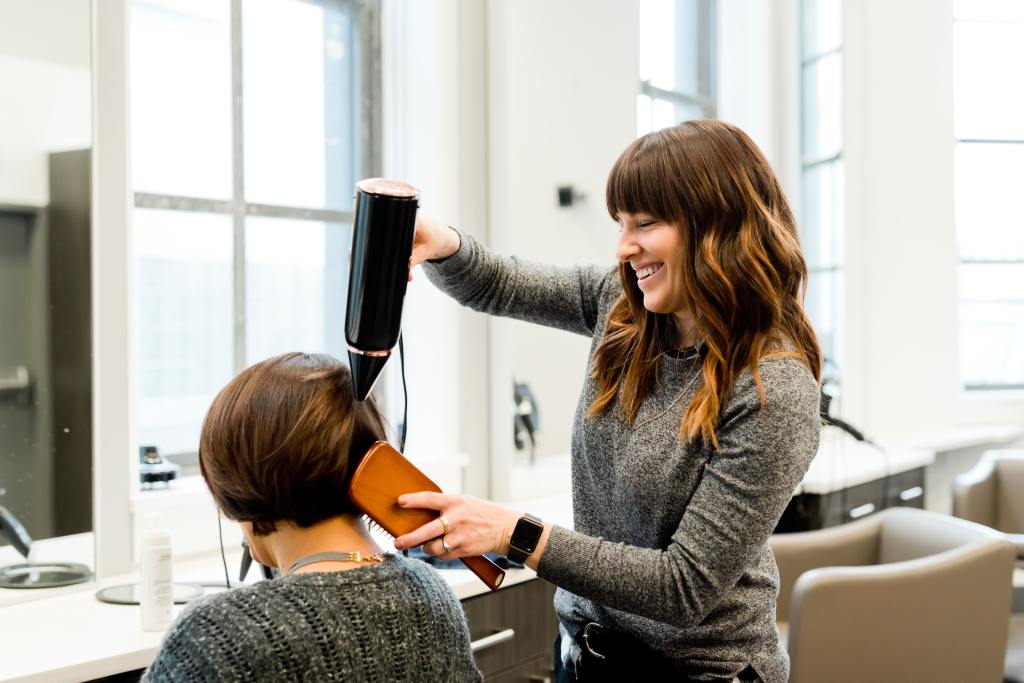
But what impact will this have on hairdressers; barbers and the beauty businesses that have struggled throughout the pandemic as they were deemed non-essential and had to close.
Tuxtra reporter Alessia Leone talked to Sarah Gallagher, owner, and Managing Director at Gallagher`s hair salon in Middlesbrough, and Sharon Brigden, spokesperson for the National Hair Beauty Barbering Federation, on how two national lockdowns have affected the business.
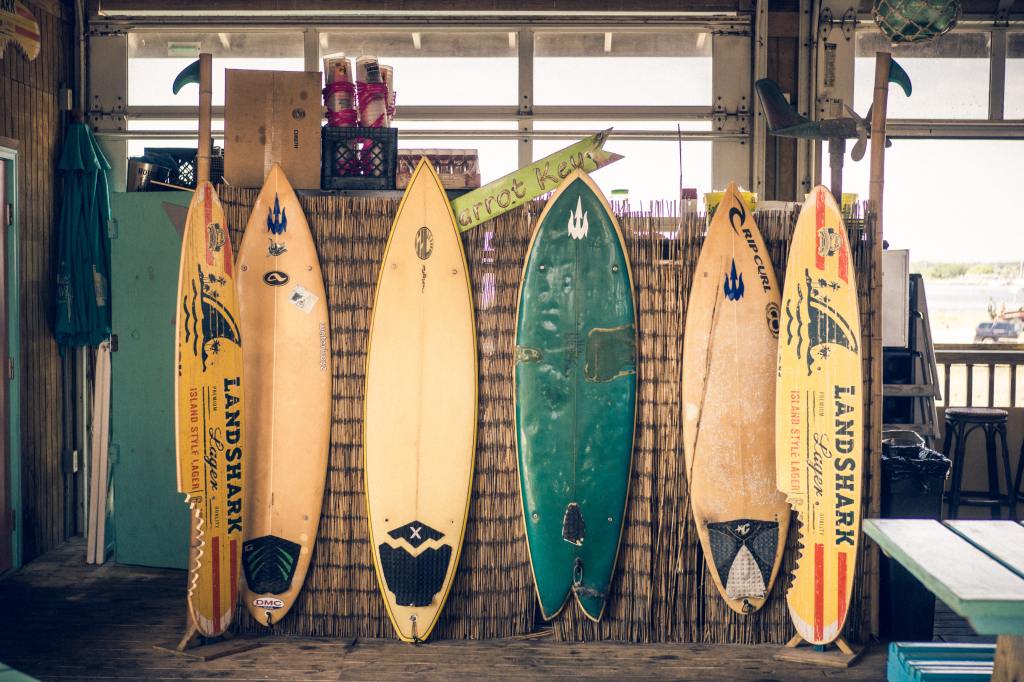
You can forget about travelling to Cornwall as the best surfing in the UK is right here n Cleveland.
There is no need to go to Hawaii for surfing as the UK coastline has plenty of great waves to catch.
And there is not better place for a novice surfer to practice than Saltburn by the Sea.
Saltburn, or Costa del Saltburn as the locals call it, is one of the top ten beaches in the UK, according to a recent survay carried out from The Guardian.
And it is also home to a great surfing school.
TUxtra reporter Alessia Leone popped to talk to some surfers about why they love to to catch a wave or two in Saltburn.
The The Football Association confirmed the suspension of the grassroots football league in the U.K.The Government imposed this decision among the second wave of coronavirus infections. The suspension covers matches, indoor and outdoor training for youth and adults. But what are the issues surrounding the youngers football players, what are the consequences of not being active in term of public health and for the local economy?
Players address a high sense of happiness and confidence compared to those who are not involved in sports. At the same time, lower-income groups of grassroots football players report a better quality of life, more excellent health and high confidence levels.
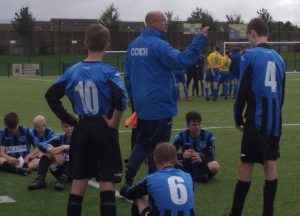
Saltburn Dolphins Athletic F.C Under 16 Division 2 training.
Players address a high sense of happiness and confidence compared to those who are not involved in sports. At the same time, lower-income groups of grassroots football players report better quality of life, more excellent health and high confidence levels.
Andy Clay Football Association Development Manager says: “I am a passionate believer that football can tackle wider issues; for example, people`s mental health.”
“It is how football can support some of the challenges the community faces; such as antisocial behaviour, we have got football taking place in the neighbour on Friday night, football being used for employment opportunities and that is where football is powerful.”
“Without football being played, these opportunities are unable to ahead. It is hard to tell what the impact is now, maybe we look back in five years and there is a real low in opportunities as a result of football not being played at this present moment time.”
Andy Clay Football Development Manager – FA.
The suspension of grassroots football during this pandemic faced two lockdowns the first one which was in March, and the last one in November is stating significant effects on young and adult players.
Not only physical but also mentally, mainly because players and coaches were not able to train in any way as also gyms were closed.
Andy Clay Football Association Development Manager says: I understand that restriction was there for a reason. As F.A., we provide useful guidance on what clubs can do during this pandemic and how to remain safe for everyone. But it is difficult when you don’t play football, it is hard on the mental health on physical health, for an association like ourselves which lives for football having that taken away was difficult.”
Colin Stromsoy, Head Coach Newton Aycliffe Senior F.C, says: “With all the football being suspended for the length it has, is highly likely that there will be a higher number of injuries.”
“Players and coaches were not able to train in the same way they would normally, but the most significant impact was psychological.”
“With the least announcement at least grassroots football training can now resume.”
Colin Stromsoy Newton Aycliffe FC manager and Director of Strategic Partnerships – Give to Local.
Figures from state of play report found that 34% of parents in the NorthEast represent their football club as a vital resource, especially for those families having financial difficulties, and 52% of parents have fear losing their football club during the lockdown.
The economic impact of grassroots football is enormous, considering that there a certain number of goodies and services that people consumes around this sport.
Colin Stromsoy, Head Coach Newton Aycliffe Senior F.C, says: “There is a considerately impact on the economy of the North East if you think all the people who go and play the match on Saturday, all the people who go on support their junior teams on Sunday buying coffees, buying drinks, snacks and food.”
“It is a huge, huge massive amount of activities that happen around the game of football itself and all the time that football is not happening that money is being not spent.”
“The ultimate impact is on the club itself because the clubs are not able to get income for subs which have a severe effect on their ability to survive and to carry on as community sports clubs.”
“A lot of clubs still have costs; that would be on rents, their facilities maintenance or utilities if they have to keep the buildings occupy for certain reasons, so the costs of the clubs are still there but not the income.”
“It is a serious problem for a lot of community sports clubs across the country and particularly in the northeast.”
Kevin Robinson Coach/Manager Saltburn Athletic F.C says: “in the first lockdown parents did not pay for subs because we did not know how long the lockdown, for the November one, parents decided to pay, but if the lockdown would have prolonged the club would provide the option for parents not to pay.”
“Is the only income the club has got, and we still need to do things behind the scenes.”
“With the first lockdown, no subs were coming in from March until August, which if you think that we are six teams, 15 employers that is a lot of revenues.”
“We were not able to run any tournament during summertime, two festivals where we get a significant amount of income from that. It is difficult to time for grassroots football clubs.”
“To be honest, grassroots football problems are not only for COVID-19. They’re less and less green open spaces now, compared to where I was a child.”
Kevin Robinson – Coach Manager Saltburn Dolphins FC.
“Look at Saltburn, for example, other than Huntcliff where the lads can go and play?”
“The grass pitches do not have drainage; the rise is not able to tolerate 16 pieces of training plus games.”
“The pitch gets corrupted, destroyed, games are called off, and if not called off- there are ditches on it.”
“The facilities for grassroots football are very poor in England for where English football wants to be.”
This poem was written by India Hunter, which illustrates the women`s Teesside issues and strength.
India is a very talented young writer and poet. Here to find other India`s poems.
About A Call To Arms India says: “I was inspired by the work of Sylvia Plath, particularly The Bell Jar, and her criticism of the belittlement and oppression of women in the 1960s. War poetry and slogans were also an inspiration for the motivational/empowering vibe I tried to capture.”
On the 6th of May, Tees Valley will hold the Local election for the Metro Mayor; however, where the women candidates are? Project Women interviewed Jessie Jacobs who could be the only female Metro Mayor in the Country if she wins.
In both politics and public life in the U.K, women have historically been underrepresented.
In recent years, their proportion has increased, although in most cases, men remain overrepresented, especially in more senior positions. According to UK Parliament and Government, there are 220 women M.P.s in the House of Commons. At 34%, this is an all-time high.
The Local Government Association reported that in 2018, 36% of local authority councillors in England were women. This means that following these proportions will take another 32 years for women to achieve equality on councils; the ratio of women Labour‘s candidates was 32% in 2011, then increased 37% in 2015, and in 2019 reached 40%.
On the other hand, Conservative Party saw the proportion of women candidates rise to 30% in 2019 from 26% in 2015; While the Liberal Democrats saw no change, with 33% women in 2011 and 2019 and 32% in 2015. Then we have also small parties, in which women are represented; The Green Party 44% women, while UKIP had just 20%.
What are the barriers for women?
The Parliament and the local Government are a male world; mainly white and middle-class continue to exceed. This dominant environment is the most significant barrier for women.
The environment impacts many aspects, such as organisational issues, unpredictable political calendar, which are incompatible with women’s families.
In January 2018, the Government Equalities Office commissioned evidence to identify barriers to women participation in Local and National Government. A report by the Centre for Women and Democracy (CFWD) examined leadership and diversity in the local government in England, which found out that women politicians have complained about the pressure to conform to masculine expectations to succeed.
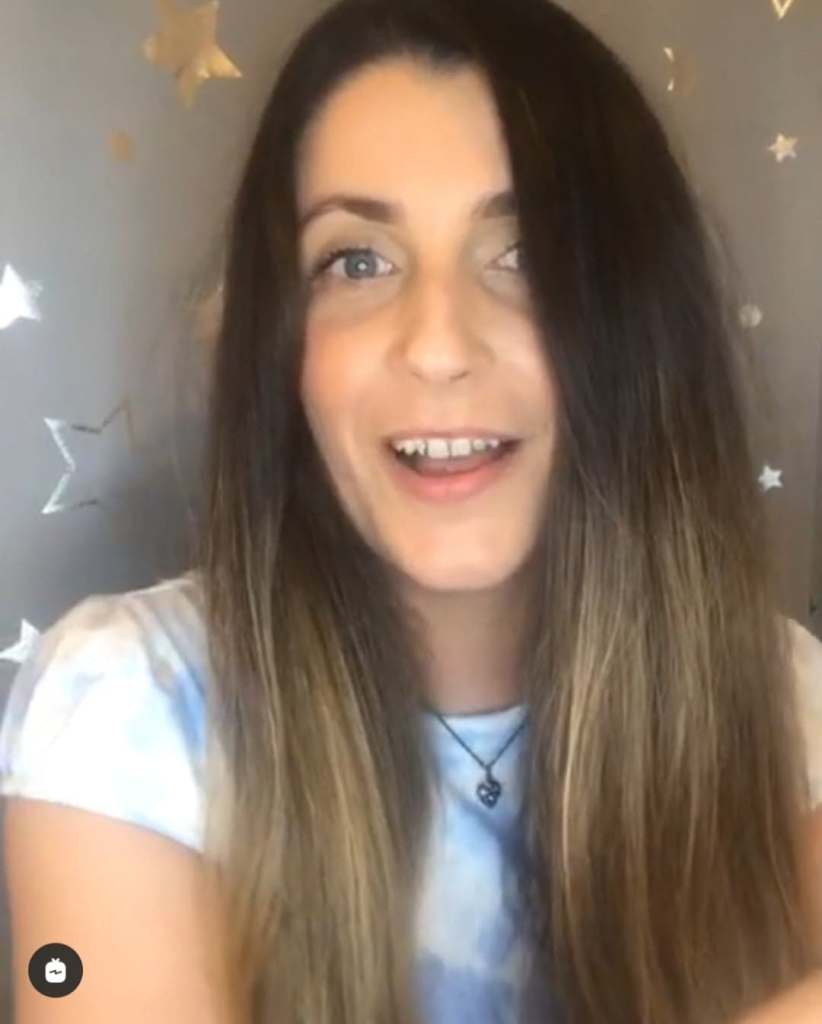
Video Interview with Jessie about role models.
In their research also emerged an ‘old boys network’ still exists, and women councillors are expected to adapt to this masculine culture to be accepted.
The Fawcett Society, a charity organisation in the U.K which campaigns for women’s rights, found a ‘culture of sexism’ within local Government, which outlines an obsolete style of personal and professional conduct.
Their survey results showed that almost 4 in 10 women councillors had had sexist remarks directed at them by other councillors.
Peter Allen, in Falling Off the Ladder: Gendered Experiences of Councillor Turnover, reported that women councillors are more likely to leave after one term of office, in comparison with their male colleagues, who are much expected to remain in local Government and to use their local government experience as a stepping stone to Parliament.
However, these are only a few key recommendation included which are:
Introduce maternity policies for councillors and council cabinet members as only 4% of local councils have procedures in place for elected representatives.
Ensure support for childcare and adult care costs; the research found that some councils do not offer any help.
Enable councils to use technology for councillors to attend meetings remotely.
Introduce codes of conduct against sexism and an influential Standards Committee. A third of female councillors have experienced sexist comments from their council colleagues.
Jessie Jacobs, Tees Valley Metro Mayor candidates- Photo courtesy of Jo.
Councils should put in place reasonable adjustments policies to support disabled women and men to be councillors.
Parties must increase women’s representation and explicit action plans to achieve them and commit.
Councils should commit to gender-balanced leadership in their cabinet or committee chair posts and eradicate ‘girl jobs and boy jobs’ in those roles.
My Wish
My wish is to see more and more female candidates in local elections and into General elections.
It doesn’t matter which is your political view or mine. We are here talking about equality in genders. We are here talking about mutual human representation. So for that, I wish Jessie all the best for her candidature as a woman Mayor.
And if you ask me if would I do the same for another woman politician who was an opponent, I would say yes.
Non-essential businesses are back to their standard opening times. People are slowly starting to go back to the shops, but what is different in this new reality? Did we change our perspective of shopping? Project Women asked a boutique owner and Redcar and Cleveland Ambassador how the first week of reopening was.
I have then noticed that people are around. Customers are slowly back to normal, no madding crowds, but still, people are around.
Which is optimistic for the recovery of our economy. According to the Centre of Retail Research, 176,718 retail jobs were lost during the coronavirus pandemic. This impact was mainly on women; due to (14%) of women employed in the wholesale and retail trade industry.
But now that we come out from the third lockdown, how has the way to do our shopping changed? Do we feel safe? Have we lost the joy to spend Saturday afternoons doing shopping and trying a pile of clothes?
There is much more than the simple act of buying unnecessary clothes or items behind the facade of shopping.
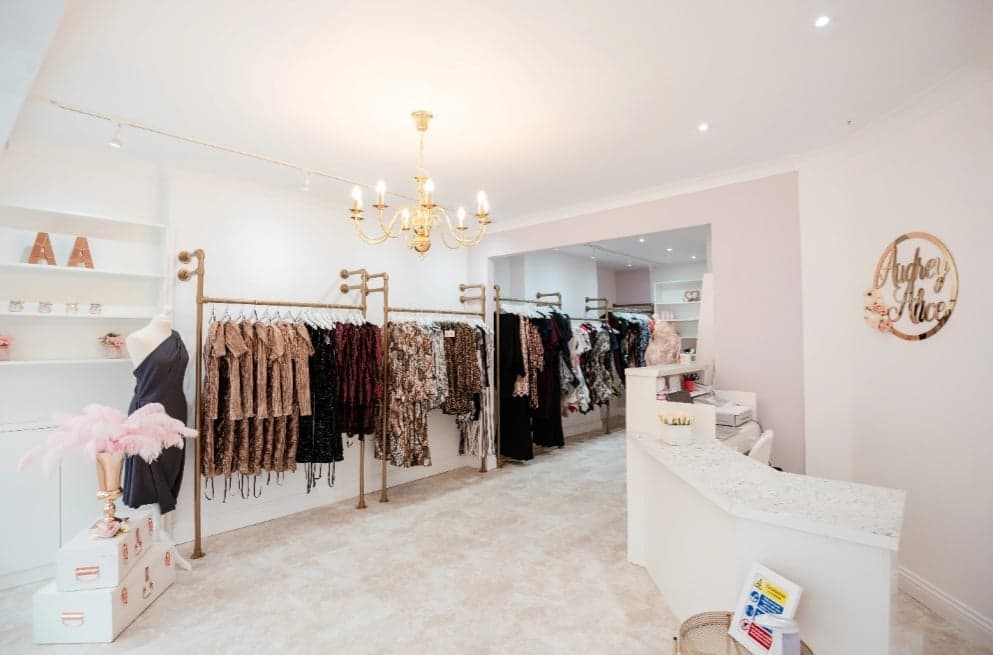
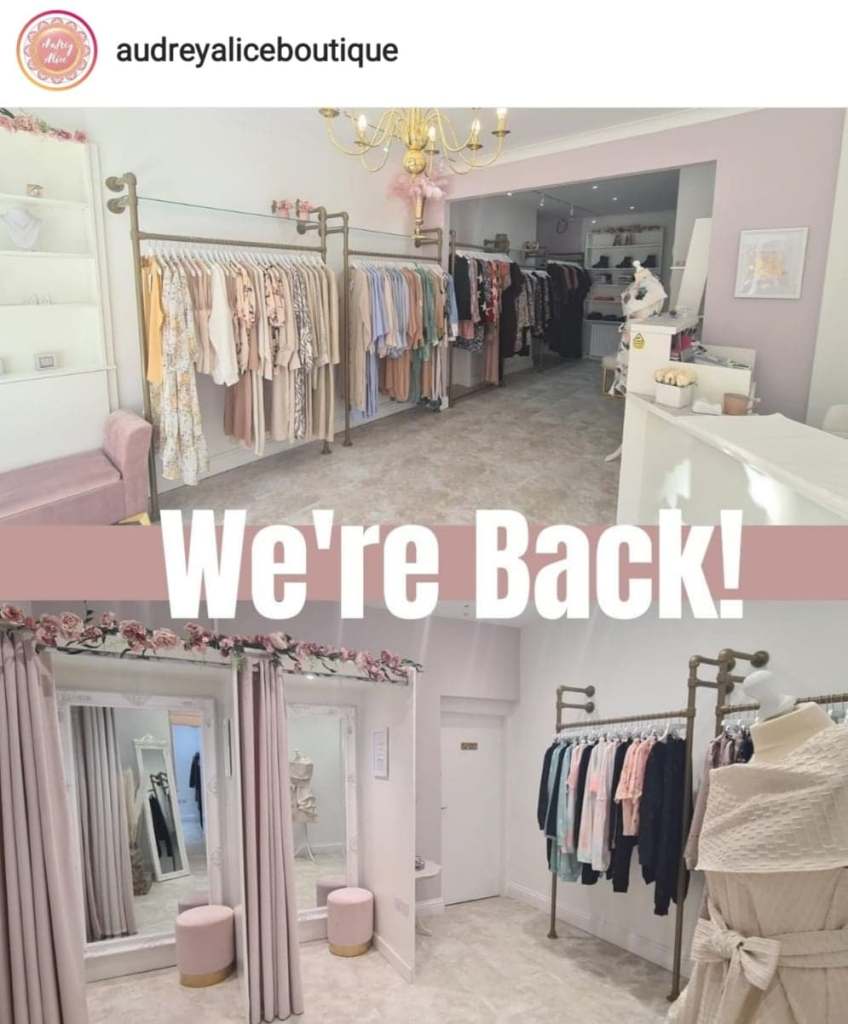
Jo Bell, in her boutique Audrey Alice, Saltburn by the Sea -Photo courtesy of Jo.
SMEs contribute 47% of revenues in the UK, having a vital role in boosting productivity, so it is fundamental to understand the connection between small business and the economy.
The entrepreneurial ecosystem needs to be encouraged and supported by all of us.
Beth Hodgson, RCA (Redcar and Cleveland Ambassador), which during the lockdown kept encouraging SME entrepreneurs, said: “Last Monday I sent messages to everybody I have worked with, just to wish them good luck and it seems that everybody has a successful first week.”
Jo Bell, Audrey Alice boutique owner in Saltburn by the Sea about her first week, reopen said: “It’s brilliant we got people coming into the shop, just coming in and touch the clothes, I allow them to try on obviously being very careful, still being very careful around the limit of people inside the boutique as well.
“So nice to speak to somebody no in front of the doorstep.”
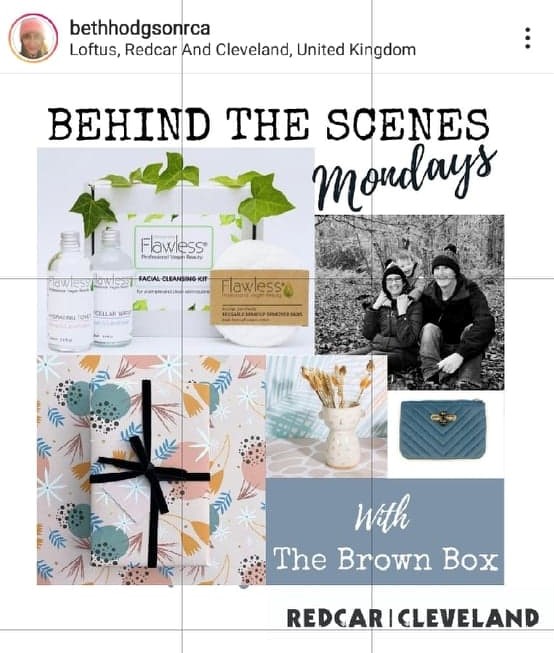
Beth Hodgson, during Insta live supporting local businesses- Pghoto courtesy of Beth.
Boosting Productivity
For the past last year, we have missing, getting around shops get inside, have a chat with the owner, and that feeling of touching and trying clothes on.
But must address another aspect of this pandemic, and it is online marketing, which many entrepreneurs had to learn from scratch how to sell.
Jo Bell said: “I didn’t have a clue about social media. I could do my personal account.
“So I quickly learnt all of that pretty much in one night; I developed a website, now has been improved and launched in February this year.
“Selling through Facebook, Instagram, Google and Google Searches.
Audrey Alice Boutique, Saltburn by the Sea- Photo courtesy of Jo.
“It has been a difficult time, very challenging, but it worth it. The website sells all day, and we had some International sales and people messages you because they want to know about products.”
“Been online allows your brand to reach everything that you could not get before, but when the boutique opened, it was hectic and did it very well, and so was the online.”
Beth Hodgson said: “Because I have been furlough for so long, it’s hard to remember what. I kept myself busy with all the features I have done online with my Ambassador work.
One of Beth behind the scenes on her Insta account- Photo courtesy of Beth.
“Because I love doing it, I could work every hour, every day building all that side of things.
“However, been back in the office today for the first time over a year, it was brilliant. We were the only people in the business centre. We are in only two days in the office, which is a nice balance.”
“I didn’t realise how much I can physically do.”
Supporting Small Businesses
Jo`s Boutique in Saltburn by the Sea- Photo courtesy of Jo.
In the first week of back to normality, we have learnt different ways to produce. Maybe by accident, we have discovered how to be more present on online sales.
Some sectors learnt how to boost productivity, especially in those where the average productivity is low, such as the food and beverage industry, or the so-called from statisticians’ `allocation effect.`
In economy, it refers to the process by which economic resources get apportioned, assigned to their particular uses for directly or indirectly satisfying human wants.
However, outside, the sunshine shines, and we all slowly back to normal. The first week was a big success for everyone; in Redcar and Cleveland, most businesses showed resilience and adaptability, and their strength has been reworded.
Supporting local businesses after lockdown- Photo courtesy of Beth.
Beth Hodgson said: “Redcar and Cleveland businesses are innovative, they adapted, Jo is a primary example.
















 Alessia Miceli