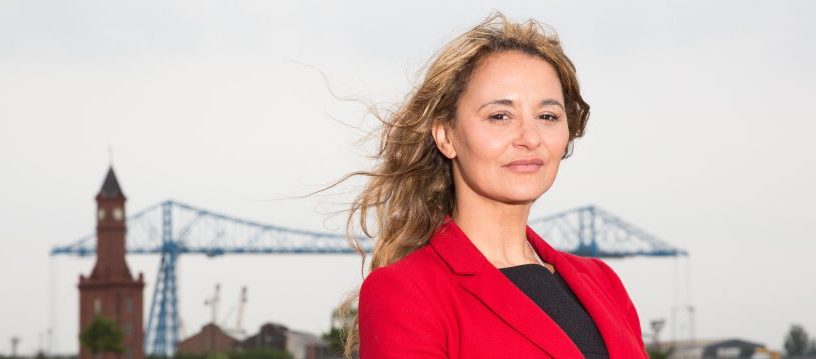
On the 6th of May, Tees Valley will hold the Local election for the Metro Mayor; however, where the women candidates are? Project Women interviewed Jessie Jacobs who could be the only female Metro Mayor in the Country if she wins.
In both politics and public life in the U.K, women have historically been underrepresented.
In recent years, their proportion has increased, although in most cases, men remain overrepresented, especially in more senior positions. According to UK Parliament and Government, there are 220 women M.P.s in the House of Commons. At 34%, this is an all-time high.
The Local Government Association reported that in 2018, 36% of local authority councillors in England were women. This means that following these proportions will take another 32 years for women to achieve equality on councils; the ratio of women Labour‘s candidates was 32% in 2011, then increased 37% in 2015, and in 2019 reached 40%.

On the other hand, Conservative Party saw the proportion of women candidates rise to 30% in 2019 from 26% in 2015; While the Liberal Democrats saw no change, with 33% women in 2011 and 2019 and 32% in 2015. Then we have also small parties, in which women are represented; The Green Party 44% women, while UKIP had just 20%.
What are the barriers for women?
The Parliament and the local Government are a male world; mainly white and middle-class continue to exceed. This dominant environment is the most significant barrier for women.
The environment impacts many aspects, such as organisational issues, unpredictable political calendar, which are incompatible with women’s families.
In January 2018, the Government Equalities Office commissioned evidence to identify barriers to women participation in Local and National Government. A report by the Centre for Women and Democracy (CFWD) examined leadership and diversity in the local government in England, which found out that women politicians have complained about the pressure to conform to masculine expectations to succeed.
In their research also emerged an ‘old boys network’ still exists, and women councillors are expected to adapt to this masculine culture to be accepted.
The Fawcett Society, a charity organisation in the U.K which campaigns for women’s rights, found a ‘culture of sexism’ within local Government, which outlines an obsolete style of personal and professional conduct.
Their survey results showed that almost 4 in 10 women councillors had had sexist remarks directed at them by other councillors.
Peter Allen, in Falling Off the Ladder: Gendered Experiences of Councillor Turnover, reported that women councillors are more likely to leave after one term of office, in comparison with their male colleagues, who are much expected to remain in local Government and to use their local government experience as a stepping stone to Parliament.

How to change?
In partnership with the Local Government Information Unit, Fawcett Society published recommendations to help solve the issues faced by women in Local Government. The final report is available here
Key recommendations include
However, these are only a few key recommendation included which are:
Introduce maternity policies for councillors and council cabinet members as only 4% of local councils have procedures in place for elected representatives.
Ensure support for childcare and adult care costs; the research found that some councils do not offer any help.
Enable councils to use technology for councillors to attend meetings remotely.
Introduce codes of conduct against sexism and an influential Standards Committee. A third of female councillors have experienced sexist comments from their council colleagues.
Councils should put in place reasonable adjustments policies to support disabled women and men to be councillors.
Parties must increase women’s representation and explicit action plans to achieve them and commit.
Councils should commit to gender-balanced leadership in their cabinet or committee chair posts and eradicate ‘girl jobs and boy jobs’ in those roles.
My Wish
My wish is to see more and more female candidates in local elections and into General elections.
It doesn’t matter which is your political view or mine. We are here talking about equality in genders. We are here talking about mutual human representation. So for that, I wish Jessie all the best for her candidature as a woman Mayor.
And if you ask me if would I do the same for another woman politician who was an opponent, I would say yes.
 Alessia Miceli