Tips and advice to making more ethical choices in daily routines.
Scientists and activists warn humanity of climate change disasters. Governments and businesses aim to tackle the climate crisis, committing to reach zero-net by 2050. However, the world still does too little, and individuals should also go greener.
Adopting an eco-friendly lifestyle is crucial in caring for the planet. Still, it is also improving our health and wellbeing.
A recent study by IPSOS found that sustainable living is linked with our health and wellbeing; in fact, nearly three people out of five think their health and wellbeing are strongly affected by environmental problems.
Being more eco-friendly does not necessarily mean expensive measurements; It means changing our habits with small actions.
If we are passionate about saving energy, the simple gesture of turning the thermostat down help us save money and support good physical health creating healthy indoor environments with beneficial temperatures and humidity levels. According to Mintel, surprisingly, the most recycling transgressors are the youngers; only 49% of 16-34-year-olds said they recycle all they can, while only 2% of mature Brits do not recycle in their household.
Boomers and Millennials are more likely to consider ethics and sustainability and are enthusiastic recyclers than Gen Xers. According to an American survey, the latter is more likely to shower more than seven times weekly.
However, people worldwide show interest in adopting more sustainable and healthy behaviours, but they do not know where to start. Hence, as follow a few advice and suggestions.

1- Use alternative methods of transport
Using an alternative method of transportation such as bicycle, walking, rollerblades, and skateboard, help you to maintain your hearth pump, and your circulation improves while reducing greenhouse emissions and c02.
According to the British Heart Foundation statistics, coronary heart disease and stroke are the most significant cause of death; nearly 170,000 people a year.
It is essential to take care of this factor, whatever your age is. However, the older we get, the more we should get active to avoid risks. The good news is never too late to start to build up new healthy habits, so why not consider commuting more responsible whenever we can?
2- Eat well, eat consciously
Every day we make food decisions, including costs, freshness, packaging, taste and culture. The concern around food is that globally, 1 in 9 people are hungry, and 2 in 10 are obese due to inequalities and food trends, such as extreme avocado consumption. It requires up to 320 litres of water each to grow.
When we buy food from intensive resources GHGproducing such as processed food and meat, these impact our health by increasing allergies, obesity, and social implications in agriculture rules. Those strawberries that we like a lot in February instead of waiting for the summer production have a colossal impact environment; about a quarter of global greenhouse gas emissions are derived from food. How can we promote a sustainable diet?
Avoid food waste, and buy organic when you can. Also, learn to read food labels, look for certified palm oil. Eat less processed food, and make varied seafood choices.
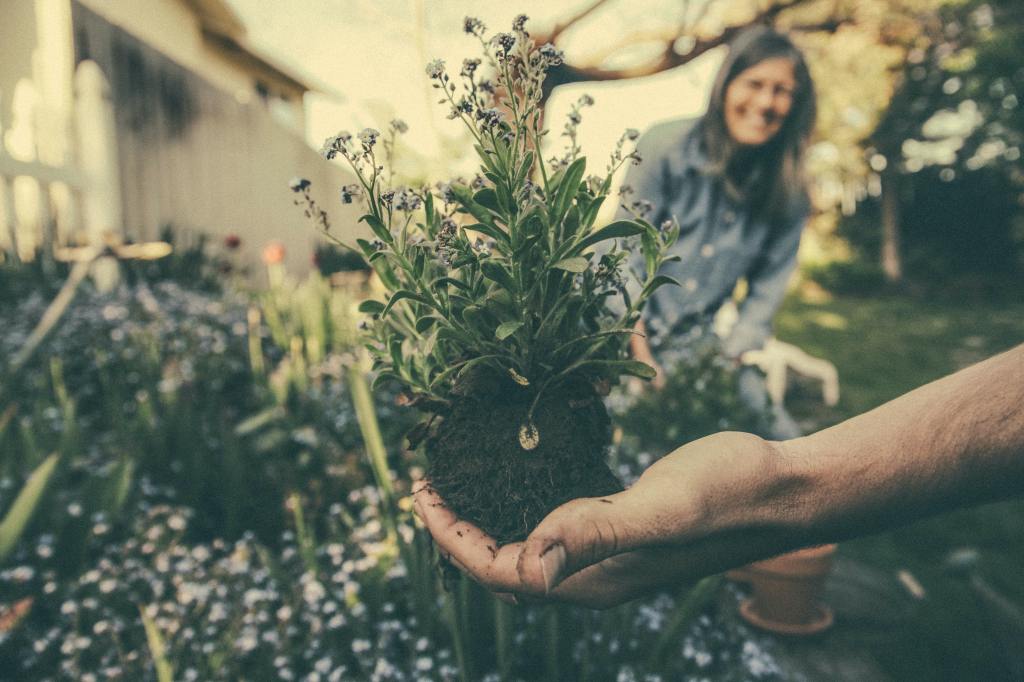
Image Credit: Benjamin Combs on Unsplash.
3- Get social
Living eco-friendly is not only about saving the planet and eating well. It is also the community. Get informed about your area’s activities or find your network on social media, for example, volunteering for your community garden/backyard or cleaning the beach.
Join groups and make friends while building social connections among people who share your same values; this keeps you healthy, mentally and physically fit.
4- air quality in our home
Indoor air pollution produced indoor can be just as harmful as the outdoor. This pollution is created from cooking and heating with traditional coal stoves and toxic chemicals emitted from cleaning products and paints colours. According to home research, indoor pollutants can develop Sick Building Syndrome. Sick Building Syndrome symptoms are; mild headaches, fatigue and dry eyes, and more severe allergies such as asthma attacks.
Poor quality indoor air can also develop cancer, damage your liver and kidneys, and affect your nervous system and mental performance. A simple gesture of changing air by opening windows regularly increase airflow and freshness.
– Choose non-toxic low-VOC colours for the house and furniture – babies and young children are at the highest risk of health hazards from indoor chemicals.
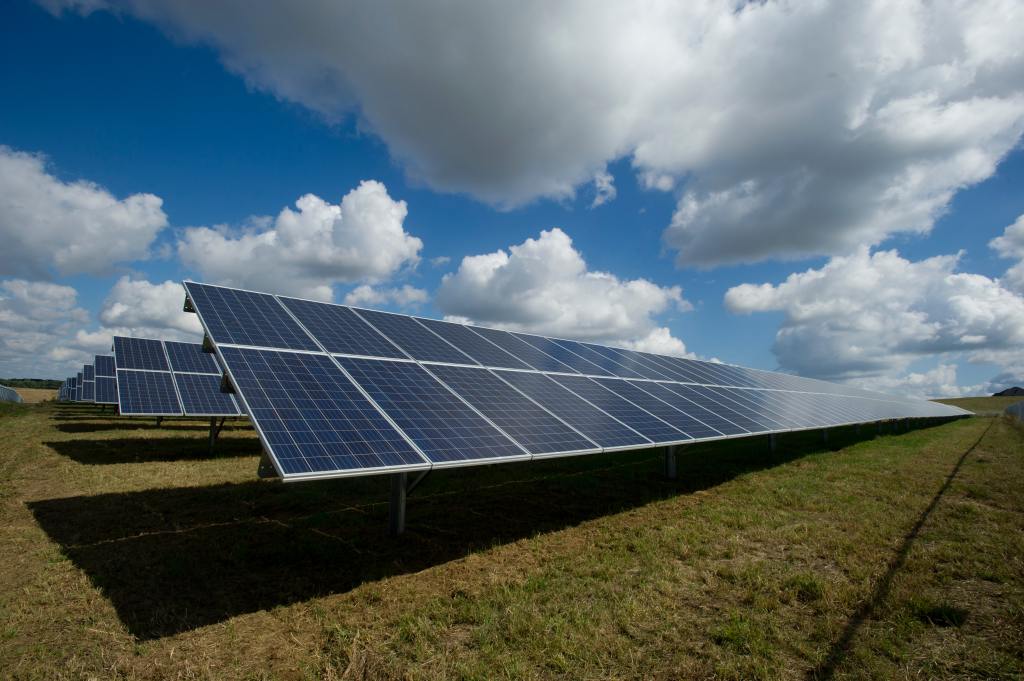
Image Credit: American Public Power Association on Unsplash.
5- Adopt Green Energy Sources
Switch to green energy suppliers to improve air pollution – With the Government Scheme, you could be eligible for the boiler grant
“Solar Panel Funding” is standing up to help in the fight against fuel poverty in the UK, you can earn an income by producing your own energy, also it is so sustainable because you protect the environment reducing your carbon footprint.
Add outdoor air-purifying vegetation – New research suggests that making ‘green roofs/walls’ could substantially reduce the impact of urban air pollution. Also, many ornamental plants keep your space restored.
6- Save water
Water-saving appliances can save 30% of water usage, saving your money and preventing anxiety when the bill is due.
The latest Stress survey conducted by the American Psychological Association states that money is a top cause of stress for many individuals.
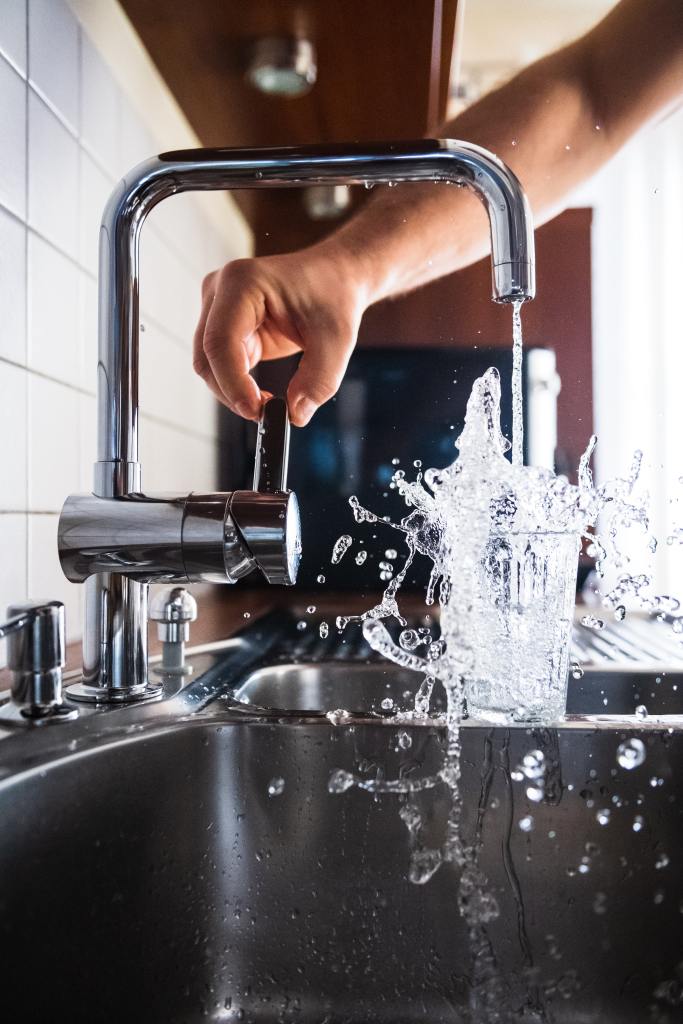
Image Credit: Jacek Dylag on Unsplash.
How can we save money on our water bills?
Check all water-using appliances, and stop leaks.
Replace old toilets – It might seem high-cost maintenance, but the more the toilet is old, the more water it consumes; toilets built before 1982 use 5 to 7 gallons per flush.
Replace old washing machines; they are the second-largest water consumer in your home; nowadays, many eco-friendly brands make you save energy and water.
Choose the plants for your garden/balcony according to the weather you live, to provide the right amount of water. Choose low-water and resistant vegetation. Remember, automatic landscape irrigation systems are a home’s biggest water user.
 Alessia Miceli