Middlesbrough has been placed in the top tier 3 following the latest national lockdown.
The Government has placed Teesside and the wider North East in tier 3 in an attempt to bring down the rate of infection in the region.
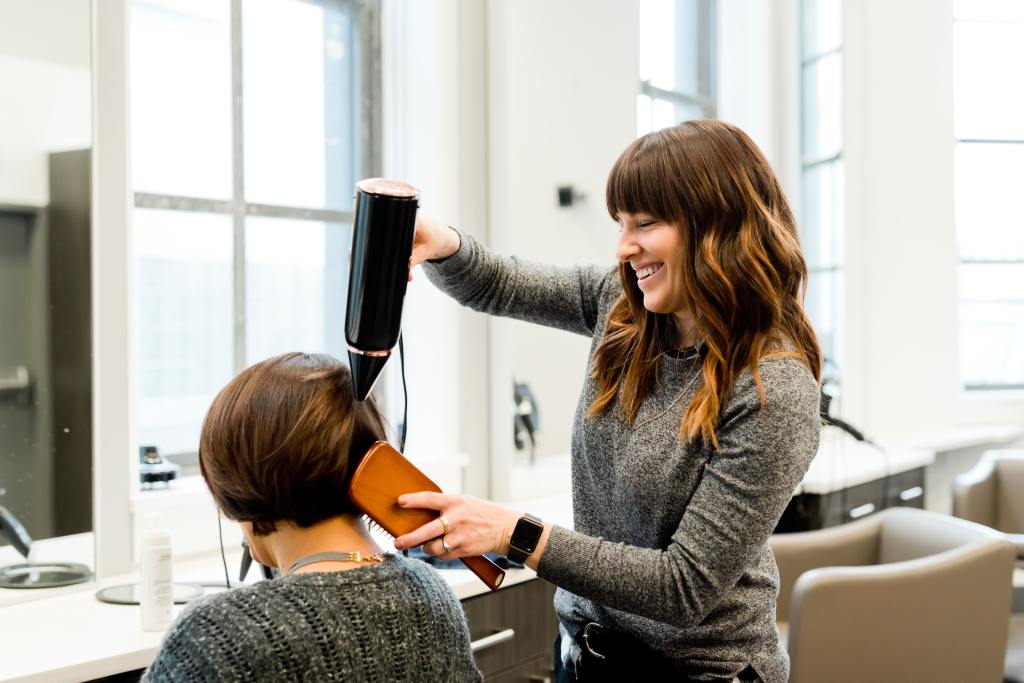
But what impact will this have on hairdressers; barbers and the beauty businesses that have struggled throughout the pandemic as they were deemed non-essential and had to close.
Tuxtra reporter Alessia Leone talked to Sarah Gallagher, owner, and Managing Director at Gallagher`s hair salon in Middlesbrough, and Sharon Brigden, spokesperson for the National Hair Beauty Barbering Federation, on how two national lockdowns have affected the business.
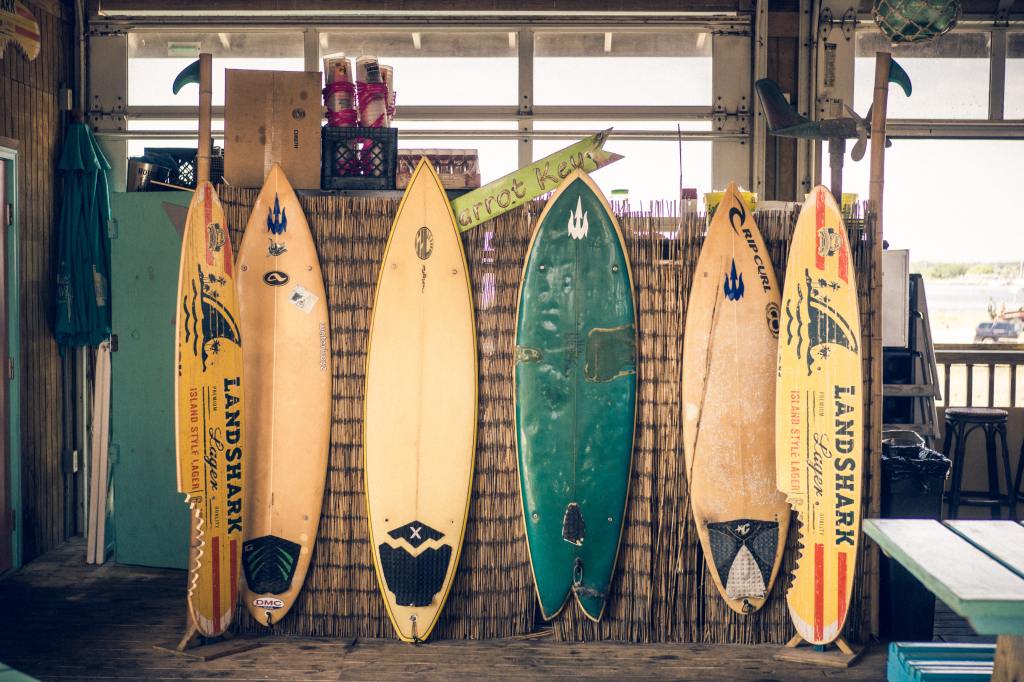
You can forget about travelling to Cornwall as the best surfing in the UK is right here n Cleveland.
There is no need to go to Hawaii for surfing as the UK coastline has plenty of great waves to catch.
And there is not better place for a novice surfer to practice than Saltburn by the Sea.
Saltburn, or Costa del Saltburn as the locals call it, is one of the top ten beaches in the UK, according to a recent survay carried out from The Guardian.
And it is also home to a great surfing school.
TUxtra reporter Alessia Leone popped to talk to some surfers about why they love to to catch a wave or two in Saltburn.
The The Football Association confirmed the suspension of the grassroots football league in the U.K.The Government imposed this decision among the second wave of coronavirus infections. The suspension covers matches, indoor and outdoor training for youth and adults. But what are the issues surrounding the youngers football players, what are the consequences of not being active in term of public health and for the local economy?
Players address a high sense of happiness and confidence compared to those who are not involved in sports. At the same time, lower-income groups of grassroots football players report a better quality of life, more excellent health and high confidence levels.
Saltburn Dolphins Athletic F.C Under 16 Division 2 training.
Players address a high sense of happiness and confidence compared to those who are not involved in sports. At the same time, lower-income groups of grassroots football players report better quality of life, more excellent health and high confidence levels.
Andy Clay Football Association Development Manager says: “I am a passionate believer that football can tackle wider issues; for example, people`s mental health.”
“It is how football can support some of the challenges the community faces; such as antisocial behaviour, we have got football taking place in the neighbour on Friday night, football being used for employment opportunities and that is where football is powerful.”
“Without football being played, these opportunities are unable to ahead. It is hard to tell what the impact is now, maybe we look back in five years and there is a real low in opportunities as a result of football not being played at this present moment time.”
Andy Clay Football Development Manager – FA.
The suspension of grassroots football during this pandemic faced two lockdowns the first one which was in March, and the last one in November is stating significant effects on young and adult players.
Not only physical but also mentally, mainly because players and coaches were not able to train in any way as also gyms were closed.
Andy Clay Football Association Development Manager says: I understand that restriction was there for a reason. As F.A., we provide useful guidance on what clubs can do during this pandemic and how to remain safe for everyone. But it is difficult when you don’t play football, it is hard on the mental health on physical health, for an association like ourselves which lives for football having that taken away was difficult.”
Colin Stromsoy, Head Coach Newton Aycliffe Senior F.C, says: “With all the football being suspended for the length it has, is highly likely that there will be a higher number of injuries.”
“Players and coaches were not able to train in the same way they would normally, but the most significant impact was psychological.”
“With the least announcement at least grassroots football training can now resume.”
Colin Stromsoy Newton Aycliffe FC manager and Director of Strategic Partnerships – Give to Local.
Figures from state of play report found that 34% of parents in the NorthEast represent their football club as a vital resource, especially for those families having financial difficulties, and 52% of parents have fear losing their football club during the lockdown.
The economic impact of grassroots football is enormous, considering that there a certain number of goodies and services that people consumes around this sport.
Colin Stromsoy, Head Coach Newton Aycliffe Senior F.C, says: “There is a considerately impact on the economy of the North East if you think all the people who go and play the match on Saturday, all the people who go on support their junior teams on Sunday buying coffees, buying drinks, snacks and food.”
“It is a huge, huge massive amount of activities that happen around the game of football itself and all the time that football is not happening that money is being not spent.”
“The ultimate impact is on the club itself because the clubs are not able to get income for subs which have a severe effect on their ability to survive and to carry on as community sports clubs.”
“A lot of clubs still have costs; that would be on rents, their facilities maintenance or utilities if they have to keep the buildings occupy for certain reasons, so the costs of the clubs are still there but not the income.”
“It is a serious problem for a lot of community sports clubs across the country and particularly in the northeast.”
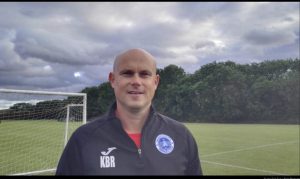
Kevin Robinson Coach/Manager Saltburn Athletic F.C says: “in the first lockdown parents did not pay for subs because we did not know how long the lockdown, for the November one, parents decided to pay, but if the lockdown would have prolonged the club would provide the option for parents not to pay.”
“Is the only income the club has got, and we still need to do things behind the scenes.”
“With the first lockdown, no subs were coming in from March until August, which if you think that we are six teams, 15 employers that is a lot of revenues.”
“We were not able to run any tournament during summertime, two festivals where we get a significant amount of income from that. It is difficult to time for grassroots football clubs.”
“To be honest, grassroots football problems are not only for COVID-19. They’re less and less green open spaces now, compared to where I was a child.”
Kevin Robinson – Coach Manager Saltburn Dolphins FC.
“Look at Saltburn, for example, other than Huntcliff where the lads can go and play?”
“The grass pitches do not have drainage; the rise is not able to tolerate 16 pieces of training plus games.”
“The pitch gets corrupted, destroyed, games are called off, and if not called off- there are ditches on it.”
“The facilities for grassroots football are very poor in England for where English football wants to be.”
When I went to meet Michael Owen, founder at “Always wear red”sustainableand zero waste company to talk about sustainability in fashion, he makes me the first question.
” How many of your clothes do you actually wear it?” Sustainability is about oneness, and I love the oneness about things.” But let us start about some figure first
Fashion is a big business in the UK worthing £32 billion to the UK economy and 800,000 jobs.
In the UK, according to Statista report, consumers in 2018 spent an amount of 60.4 billion pounds; this amount increases every year, giving the UK position in the top five countries in Europe in term of clothing consumption.
Consumers are attracted by buying more clothes even if not needed because the retail sector is encouraging this behaviour.
Data from ECAP fashion consumption
Data from ECAP Fashionconsumption
Primarily due to the rise of non-specialised stores, such as supermarkets and high sales.
“We buy clothes, we get bored, and we throw them away.” Says Michael Owen.
The garment industry is the world’s third-biggest manufacturing industry generating excessive waste around the globe. Michael Owen says ” 1/3 of our clothes never reach our consumer, they get burnt by big brands and old seasons destroyed, the 70% of our clothes become buried within three years.”
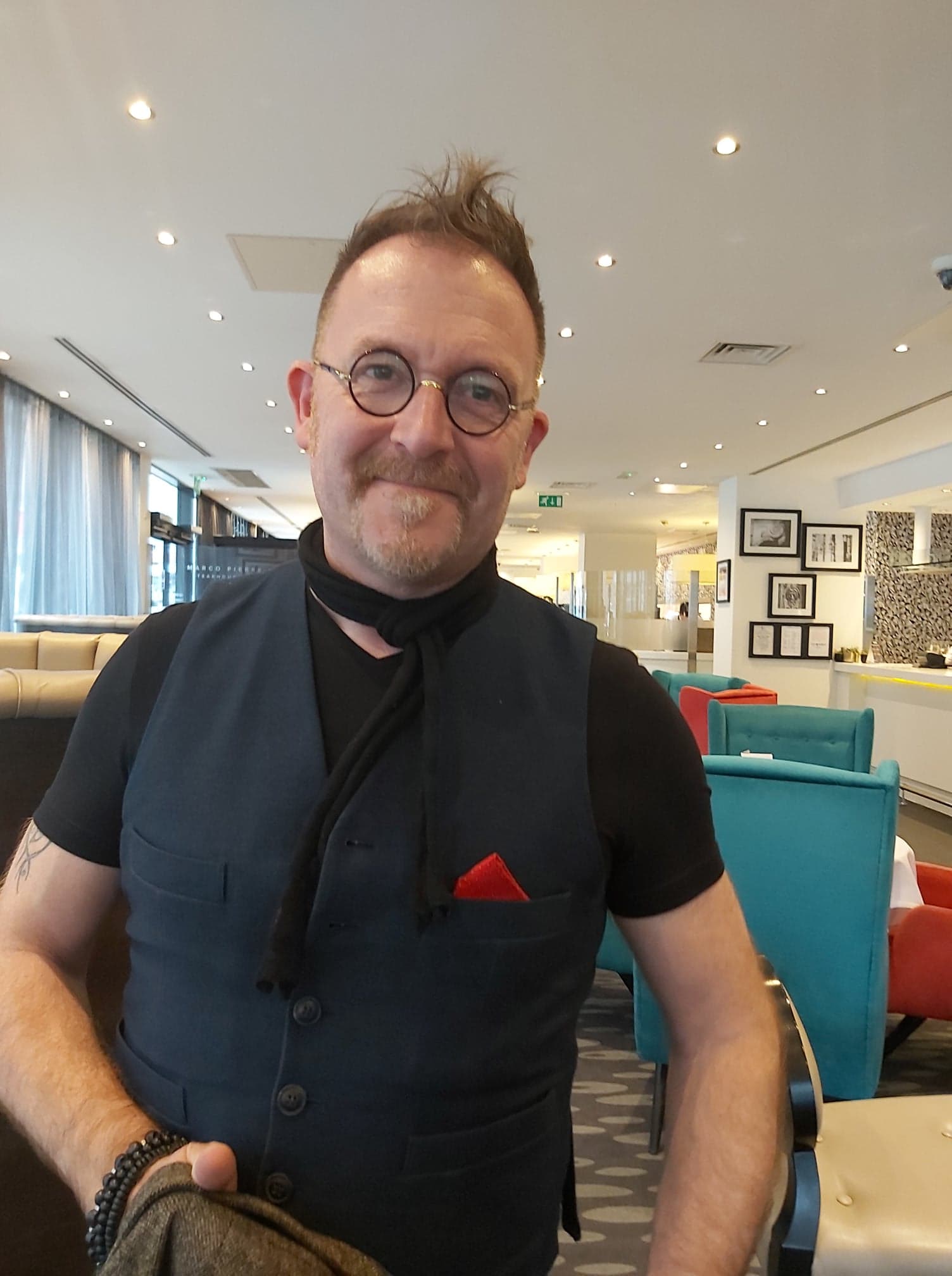
Michael Owen, Always wear red founder.
Apparel producers plan to reduce emission measures and regulations to become stricter, these changes are expected in three/five years, according to the United Nations.
The elimination of coal-fired power sources will be the most crucial one, following the second-largest polluter that is textile dyeing of clean water. Polluting many rivers in India by chemical substances such as formaldehyde, chlorine, lead, and mercury. The answer should come from natural pigments. However, Phil Patterson, a consultant to textile UK-based Colour believes natural dyes are not the answer because are expensive, require larger quantities to create the same depth in colour, and need the usage of mordants.
(which include heavy metal salts) to stick to the fabric.
How can this vast industry be really sustainable safeguarding jobs, economy and markets? Michael explains his way to do sustainable fashion ” We produce in small batches to control the waste.”
For hand, knitting the production is slow, this ensures better quality, we work only by order and every piece is numbered to deliver oneness and exclusivity.
“We only use natural materials hail from Yorkshire, except for the Merino wool, which comes from Italy. Still, we used to buy it from Australia. Also, My knitters are the best in the majority of women UK based, and I pay them the 50%more than the average. If you have the best knitters, you have the best products, so Treating people right is essential.part of our profits are devolved to men’s mental health cause.”
“We only use a digital store, we mail you, we send you photos giving you information which is the knitter and how your jumper is growing. Then we are gender-neutral, and our cardigan and jumper can fit any size.”
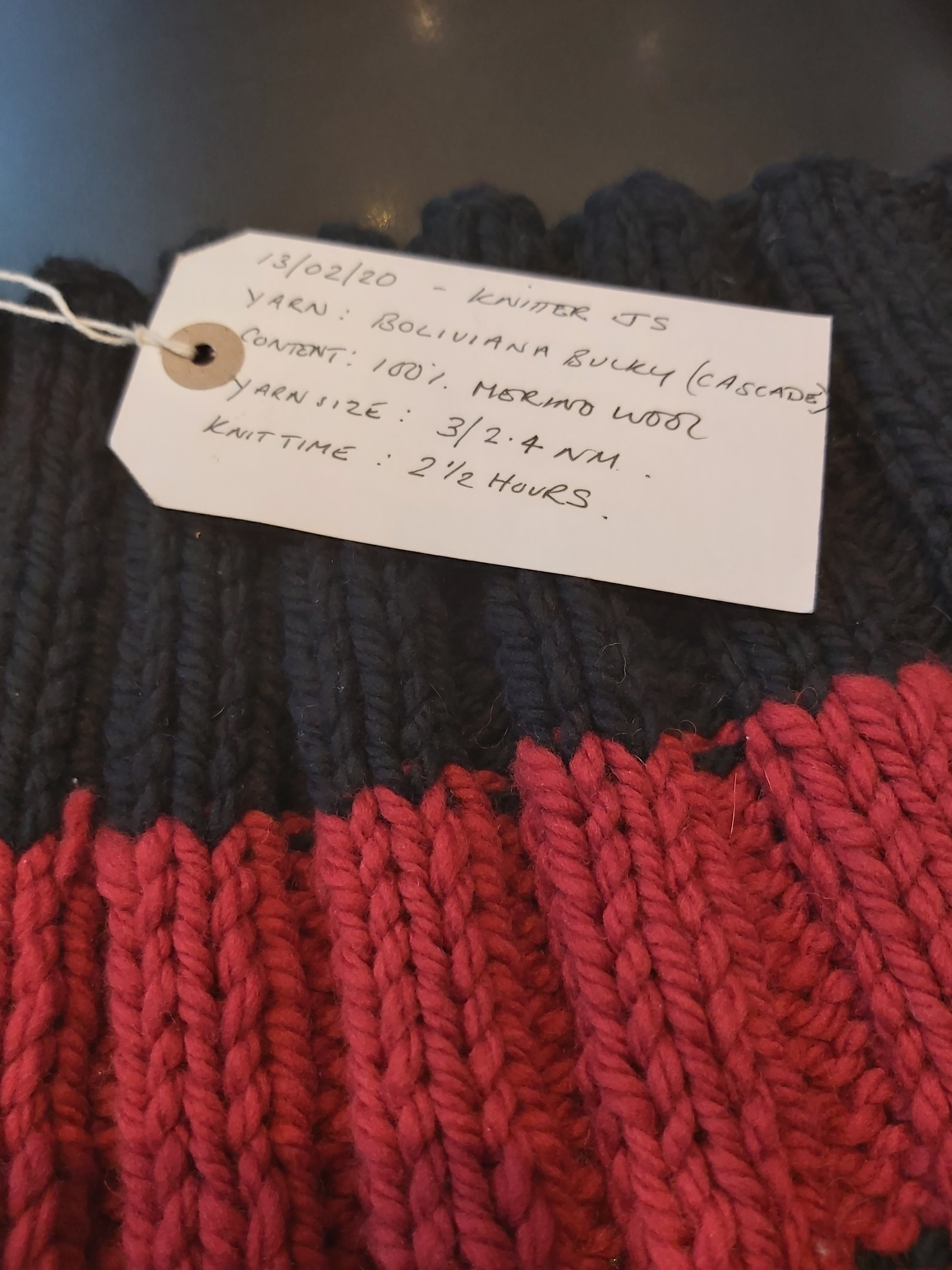
Merino wool sample- AlwaysWear Red.
According to the 2018 Pulse of the fashion industry reportshows that the industry has improved environmental performance in the last year. However, the industry is still far from sustainable. The problem is those fashion companies slowly put in place sustainable solutions, and the risk is to not achieve the UN sustainable development goal.
Coral Smith, the menswear fashion designer, says: “Undeniably the fast fashion industry is a massive polluter.”
” Many brands are taking steps such as reducing their packaging, making their supply chain transparent for customers and using recycled fabric blends.”
“Properly monitoring their factories to make sure fabrics are produced in a way that does not harm the environment with excessive chemicals.”
“People get joy from clothes, so the industry has no choice, needs to adapt to a sustainable future.”
“However, not in its current industry model, we know it today.”
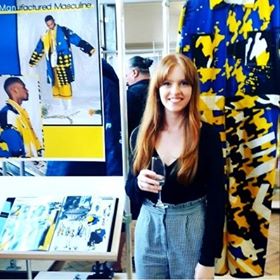
Coral Smith Fashion Designer- image source
Companies who take the change into sustainability need to follow five challenging phases- this addresses their current rank and locates themselves against their competitors.
In the pre-phase companies take an initial plan and opportunistic actions, they have not fully committed and finding the right starting point remains a challenge.
In phase one-building foundations with strong basis determined on employees, strategy and communication, improving visibility over performance and most crucial footprint
Phase two- company carries out the core efficiency program generating proof points which are environmental, social and financials.
Phase three- industry accelerate efforts, taking initiatives and target programmes into the value chain, implementing new technologies, raise profitability as well as environmental and social activities
Phase four- leaders experience the limitations of existing solutions, including regulations, business innovations, and consumers respond. Only with changes and disruptive business models can the industry move forward to the future. But scaling the new technologies will depend on leadership and cooperation across the industry, including regulators and consumers.
Pulse of the fashion industry 20219
Pulseof the fashion industry 2019
Bureau Veritas Uk is the National association that assist companies in their performance to meet the challenges of quality, health & safety, environmental protection and social responsibility.
Governments and policymakers are crucial in the ecosystem process; lots needs to be done. Still, the government is increasingly supportive regulations framework.
New incentives for retailers, reform taxation to reward fashion companies that deliver environmental friendly clothes. Michael Owen says: “Sustainable issue should appear in the operation of the business plan and no as a marketing strategy.”
“And new recycling technologies must be proven on a commercial scale.”
THE FUTURE? Circular Fashion
fashion products should be designed for long-life, non-toxic, biodegradable recyclable and ethically.
Produced locally and renewable, Moreover, the results should be used for as long as possible, through proper care, repair, sharing among multiple users over time (rent/lease, secondhand, swap)
The products should bring no environmental or socio-economic harm but instead contribute to the positive development and well-being of humans. Uk designers are already taking the lead on sustainable fashion, reducing costs and environmental impact but also are looking for more sustainable methods.
Making fashion circular with innovation is the solution, but how?
Many companies switch cotton to organic cotton and creating an entire collection with virgin natural materials. For example, Stella Mccartney no longer uses pure cashmere but use regenerated cashmere from factories waste in Italy.
The more innovative PET fabric production; Komodo, Thought and People Tree are all UK brands that use PET fabric already.
According to Fashion United UK, PET’s production reduces CO2 emissions by32% in comparison to regular polyester.
Corals Smith says: “Many fabrics are not environmentally friendly so designers could be limited in this way. On the other hand, constraints can make you more creative as designers have to think harder about how they use the materials available, which will most likely result in producing something more unique!”
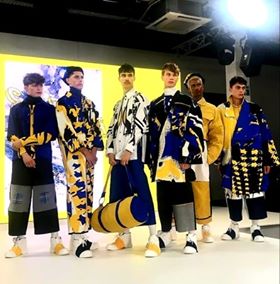
Coral Smith latest collection- image source
Groups of innovators are studying live organism such as algae, yeast, animal cells and fungi to create an environmental friendly apparel industry.
Breaking down in non-toxic material when thrown away, unfortunately, these experiments are limited to the laboratory world due to cost competitiveness.
Are you laundry addicted?
As consumers, we must take responsibility for our actions and make a change of habits is necessary toward a sustainable future. Do we know how much pollution do we produce when we make a simple gesture like loading the washing machine?
Gary Knox sustainability director at Green earth cleaning, during a connection in a webinar, explains the damage caused by microfibres.
Up of the 64% of our clothes are made by synthetic plastic microfibres such as polyester, nylon and acrylic are cheap and adjustable. These fabrics during washes are being released into the water supply.
According to Publication Parliament UK, A single 6kg domestic wash has the potential to release as many as 700,000 fibres shedding into water.
Ingested by all marine wildlife creatures and subsequently ending up in the food chain and eaten by us. So what can we do about? Buying better quality clothes, preferring natural fabrics such as wool and organic cotton that do not need so many washes.
Considering that in the UK there are 27 million homes means that washing machine usage is 117 washes per year, per person, according to The Economist and the Office of National Statistics.
Data from National Statistics
Data from the Economist
Michael Owen explains “Wool needs to be washed only twice a year and with cold water, because wool is naturally breathable which means that when you sweat the perspiration dissolve into the air, rather than getting trapped inside the fabric.”
Many fashion brands, for example, HIUTcompany, the best denim makers in the world based in rural Wales, encourage customers to try and go as much as they can without washing their jeans.
This is why fashion companies must put in place best practices to make a change toward sustainability and adhere to pulse score improvements in the fashion industry.
In the meantime, as customers, we can prefer natural fibres rather than synthetics and changing the way that we shop and treat our clothes.
Coral Smith suggests: “Consumers should try to spend more on quality items and buy less, buy second hand,
” mend clothes that break and style pieces you already have in a new way to suppress the urge to buy new things.”
” Unfortunately many are still buying clothes with a “buy now, wear once” attitude, and as long as the demand is this high brands will keep overproducing to cater for it.”
Michael Owen says: “Buy an amazing one and love that one.”
In the last decade, more than 70% of young population are suffering from depression, anxiety and body dysmorphia than in the past 25 years
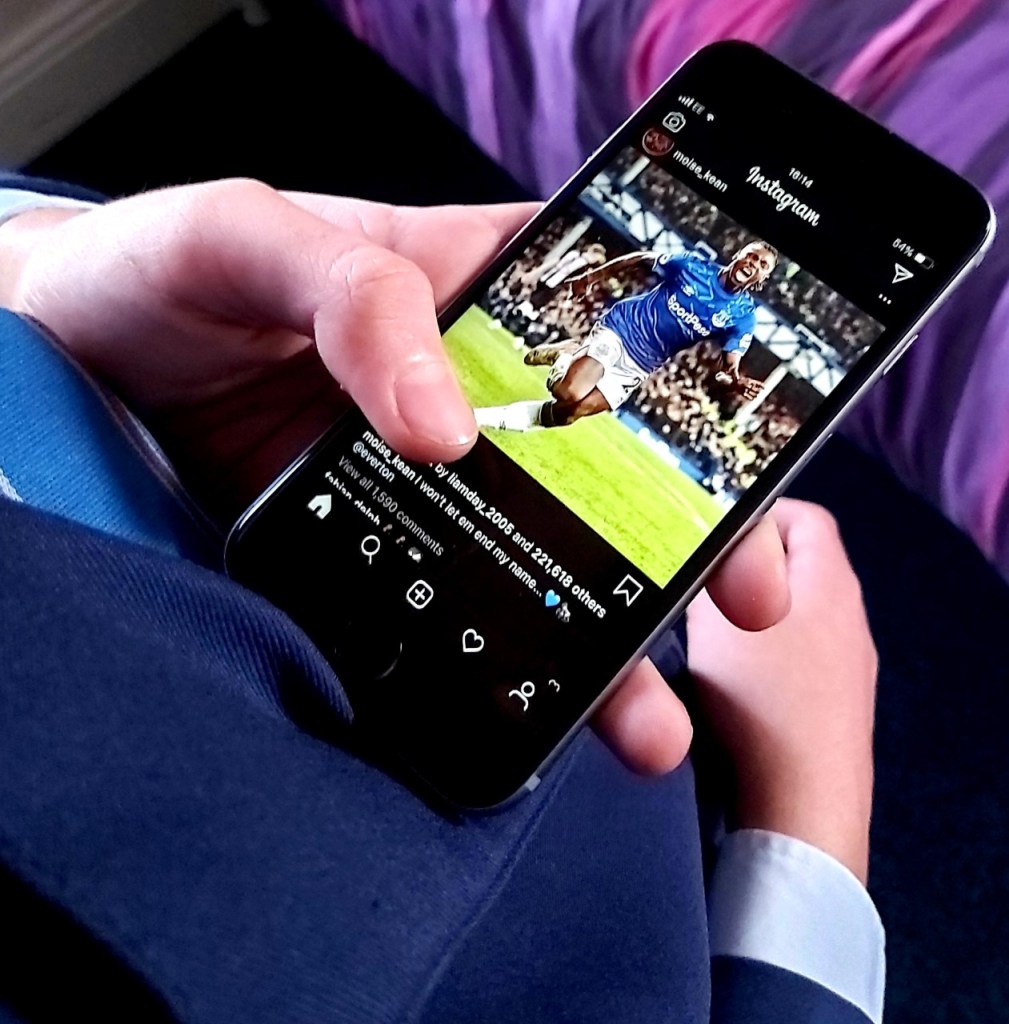
Young people are negatively affected by Instagram
According to a recent report by the Royal Society for Public Health, social media can make you feel sad or confused which later causes depression, generalised Anxiety Disorder (GAD), panic disorder or Obsessive-Compulsive Disorder (OCD) which affects one’s social and scholar life.
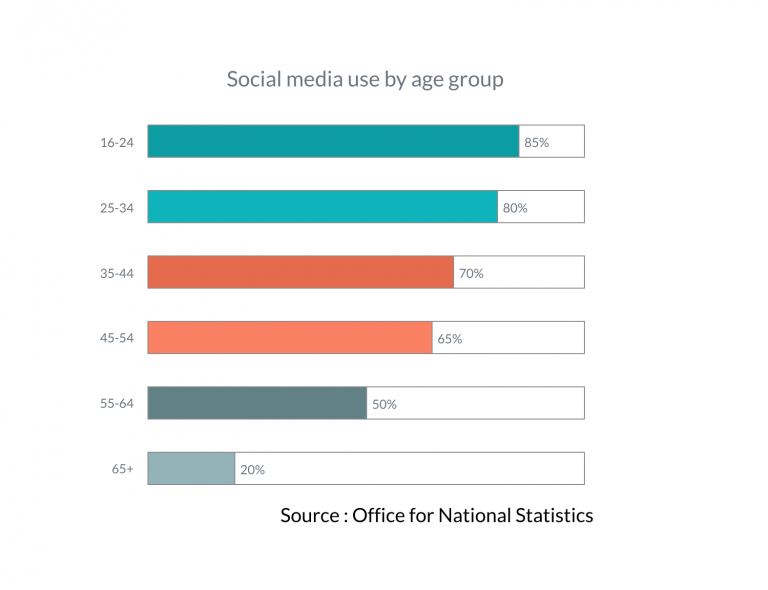
Social media has become an integral part in everyone’s life. Instagram, which is a social platform based on photos and video sharing; has become popular worldwide, with over a billion active users.
Courtesy : Royal society for public health 2017
However, despite its popularity, Instagram, which includes social interactions and creative content, has been ranked as the worst social media which causes distress to young users, whereas YouTube is the most positive social media.
Courtesy : Status of mind (RSPH Report) 2017
There are growing pieces of evidence that link the use of Instagram to mental health disorders. An online poll we conducted on Instagram showed us that around 51% of users felt that Instagram affects their body image in some ways.
Instagram poll
However, what users do not realise is the fact that behind these picture-perfect feeds, most of these Internet personas have a professional team that aims to market them and create revenue. Instagram, contents should be regulated with the caption “This does not correspond to the reality.”
Male vs Female – Body Image
According to theRoyal Society for Public Health report, 80,000 children and young adults in the UK are suffering from body dysmorphia and this feeling of inadequacy later causes anxiety and depression.
An experiment conducted between 144 girls aged 14-18 years old in the Netherlands, at Raboud University shows how teenage participants, all attending Secondary School are exposed to manipulated photos in everyday life. The study demonstrated how social comparison leads to dissatisfaction with body image.
A teenage girl’s picture was shown with different Instagram filters and photoshop. Some filters improved the skin texture, some emphasized the body while others emphasized face and hair. The result showed that after the experiment, the girls pointed their dislike towards their own body and weight. The participants found that the doctorate photos were more attractive than the original. Also, the experiment showed that the participants were not aware of the manipulation of pictures and they believed it was real.
Courtesy : From Kleemans et al.,2016 experiment report manipulated body image picture.
Men’s Confidence
Body image is an issue for both girls and boys, but it is widely regarded as something that affects girls as we often assume that girls are more concerned about their physical appearance.
Research has shown how social media exposure negatively influences men’s self-esteem, similar to that of women, using same parameters. An ideal man is portrayed on social media as wealthy, muscular and famous.
Men alike women are now feeling the pressure of being more muscular. An example of this is that action Hero figures are more muscular today than 25 years ago. When these unrealistic images are bombarded on social media, these pictures result in low self-esteem in men. In research conducted by the Global burden of disease (GBD) Institute of health metrics it was found that, from the year 1992-2017, there has been an increase in eating disorders that specifically affected men.
In a more recent study, men who viewed ideal male body images portrayed online, expressed higher levels of dissatisfaction and depression compared to those men who were not exposed to the same.
Positive Role Models
Beauty, wealth and success are societal standards dictated by companies and agencies. Popstar Selena Gomez, in her song “Who says” repeats the phrase “I’m no beauty queen I’m just beautiful me.” Various other influencers such as Jameela Jamil, Lizzo, Ashley Graham are huge advocates of body positivity. We need more such influencers who promote a healthy standard of living.
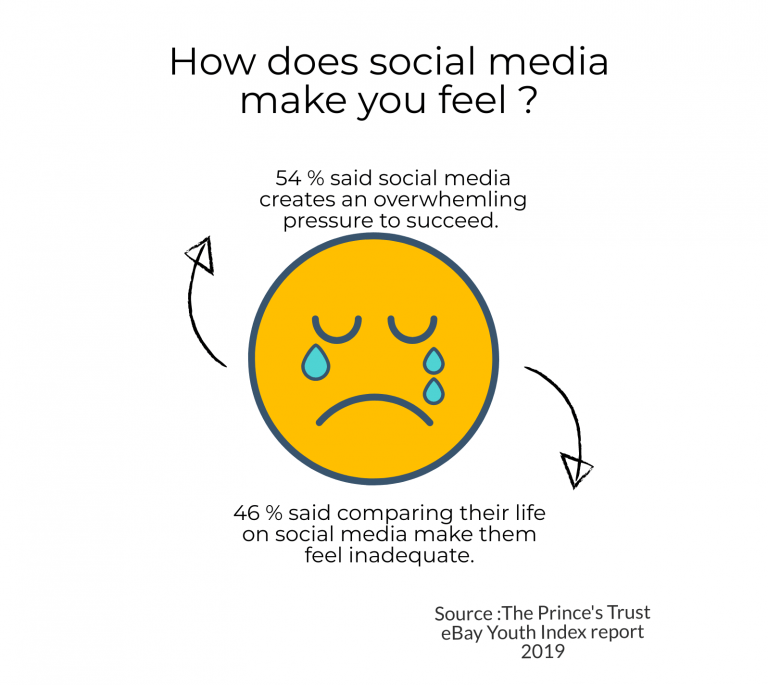
Being a young adult is already hard enough. Peer pressure, university life, and parent’s expectations, etc causes a high amount of stress. And seeing their favourite influencers and celebrities in branded clothes always on holiday, promotes unrealistic expectations.
Young people should be able to look at social media content giving them the right importance and be sceptical about those perfect bodies and perfect faces because, behind too much perfection, there is perfect emptiness.










 Alessia Miceli