This poem was written by India Hunter, which illustrates the women`s Teesside issues and strength.
India is a very talented young writer and poet. Here to find other India`s poems.
About A Call To Arms India says: “I was inspired by the work of Sylvia Plath, particularly The Bell Jar, and her criticism of the belittlement and oppression of women in the 1960s. War poetry and slogans were also an inspiration for the motivational/empowering vibe I tried to capture.”
On the 6th of May, Tees Valley will hold the Local election for the Metro Mayor; however, where the women candidates are? Project Women interviewed Jessie Jacobs who could be the only female Metro Mayor in the Country if she wins.
In both politics and public life in the U.K, women have historically been underrepresented.
In recent years, their proportion has increased, although in most cases, men remain overrepresented, especially in more senior positions. According to UK Parliament and Government, there are 220 women M.P.s in the House of Commons. At 34%, this is an all-time high.
The Local Government Association reported that in 2018, 36% of local authority councillors in England were women. This means that following these proportions will take another 32 years for women to achieve equality on councils; the ratio of women Labour‘s candidates was 32% in 2011, then increased 37% in 2015, and in 2019 reached 40%.
On the other hand, Conservative Party saw the proportion of women candidates rise to 30% in 2019 from 26% in 2015; While the Liberal Democrats saw no change, with 33% women in 2011 and 2019 and 32% in 2015. Then we have also small parties, in which women are represented; The Green Party 44% women, while UKIP had just 20%.
What are the barriers for women?
The Parliament and the local Government are a male world; mainly white and middle-class continue to exceed. This dominant environment is the most significant barrier for women.
The environment impacts many aspects, such as organisational issues, unpredictable political calendar, which are incompatible with women’s families.
In January 2018, the Government Equalities Office commissioned evidence to identify barriers to women participation in Local and National Government. A report by the Centre for Women and Democracy (CFWD) examined leadership and diversity in the local government in England, which found out that women politicians have complained about the pressure to conform to masculine expectations to succeed.
Video Interview with Jessie about role models.
In their research also emerged an ‘old boys network’ still exists, and women councillors are expected to adapt to this masculine culture to be accepted.
The Fawcett Society, a charity organisation in the U.K which campaigns for women’s rights, found a ‘culture of sexism’ within local Government, which outlines an obsolete style of personal and professional conduct.
Their survey results showed that almost 4 in 10 women councillors had had sexist remarks directed at them by other councillors.
Peter Allen, in Falling Off the Ladder: Gendered Experiences of Councillor Turnover, reported that women councillors are more likely to leave after one term of office, in comparison with their male colleagues, who are much expected to remain in local Government and to use their local government experience as a stepping stone to Parliament.
However, these are only a few key recommendation included which are:
Introduce maternity policies for councillors and council cabinet members as only 4% of local councils have procedures in place for elected representatives.
Ensure support for childcare and adult care costs; the research found that some councils do not offer any help.
Enable councils to use technology for councillors to attend meetings remotely.
Introduce codes of conduct against sexism and an influential Standards Committee. A third of female councillors have experienced sexist comments from their council colleagues.
Jessie Jacobs, Tees Valley Metro Mayor candidates- Photo courtesy of Jo.
Councils should put in place reasonable adjustments policies to support disabled women and men to be councillors.
Parties must increase women’s representation and explicit action plans to achieve them and commit.
Councils should commit to gender-balanced leadership in their cabinet or committee chair posts and eradicate ‘girl jobs and boy jobs’ in those roles.
My Wish
My wish is to see more and more female candidates in local elections and into General elections.
It doesn’t matter which is your political view or mine. We are here talking about equality in genders. We are here talking about mutual human representation. So for that, I wish Jessie all the best for her candidature as a woman Mayor.
And if you ask me if would I do the same for another woman politician who was an opponent, I would say yes.
Non-essential businesses are back to their standard opening times. People are slowly starting to go back to the shops, but what is different in this new reality? Did we change our perspective of shopping? Project Women asked a boutique owner and Redcar and Cleveland Ambassador how the first week of reopening was.
I have then noticed that people are around. Customers are slowly back to normal, no madding crowds, but still, people are around.
Which is optimistic for the recovery of our economy. According to the Centre of Retail Research, 176,718 retail jobs were lost during the coronavirus pandemic. This impact was mainly on women; due to (14%) of women employed in the wholesale and retail trade industry.
But now that we come out from the third lockdown, how has the way to do our shopping changed? Do we feel safe? Have we lost the joy to spend Saturday afternoons doing shopping and trying a pile of clothes?
There is much more than the simple act of buying unnecessary clothes or items behind the facade of shopping.
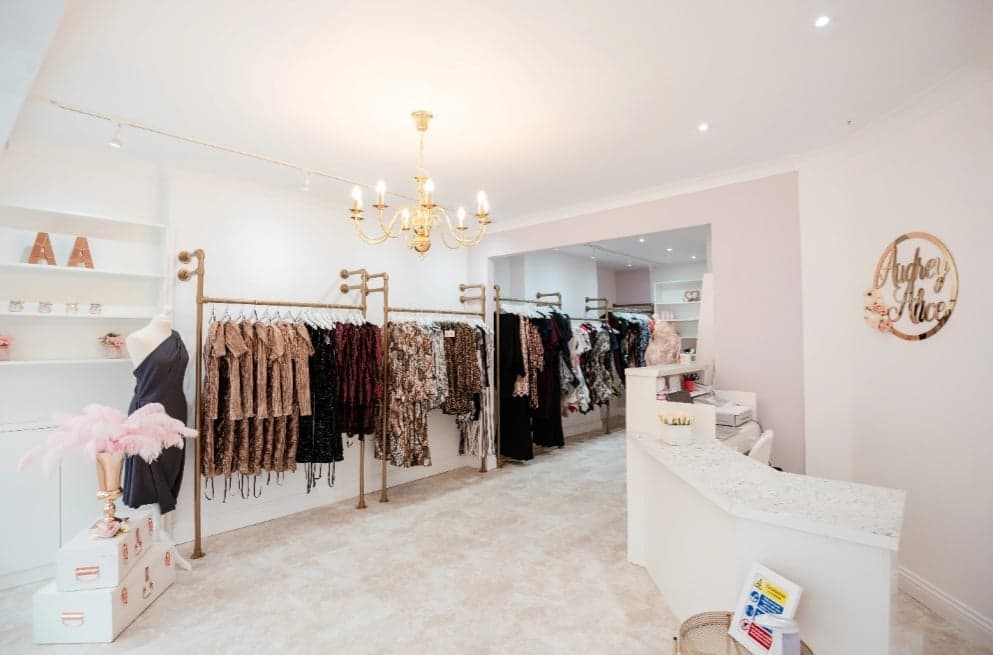
Jo Bell, in her boutique Audrey Alice, Saltburn by the Sea -Photo courtesy of Jo.
SMEs contribute 47% of revenues in the UK, having a vital role in boosting productivity, so it is fundamental to understand the connection between small business and the economy.
The entrepreneurial ecosystem needs to be encouraged and supported by all of us.
Beth Hodgson, RCA (Redcar and Cleveland Ambassador), which during the lockdown kept encouraging SME entrepreneurs, said: “Last Monday I sent messages to everybody I have worked with, just to wish them good luck and it seems that everybody has a successful first week.”
Jo Bell, Audrey Alice boutique owner in Saltburn by the Sea about her first week, reopen said: “It’s brilliant we got people coming into the shop, just coming in and touch the clothes, I allow them to try on obviously being very careful, still being very careful around the limit of people inside the boutique as well.
“So nice to speak to somebody no in front of the doorstep.”
Beth Hodgson, during Insta live supporting local businesses- Pghoto courtesy of Beth.
Boosting Productivity
For the past last year, we have missing, getting around shops get inside, have a chat with the owner, and that feeling of touching and trying clothes on.
But must address another aspect of this pandemic, and it is online marketing, which many entrepreneurs had to learn from scratch how to sell.
Jo Bell said: “I didn’t have a clue about social media. I could do my personal account.
“So I quickly learnt all of that pretty much in one night; I developed a website, now has been improved and launched in February this year.
“Selling through Facebook, Instagram, Google and Google Searches.
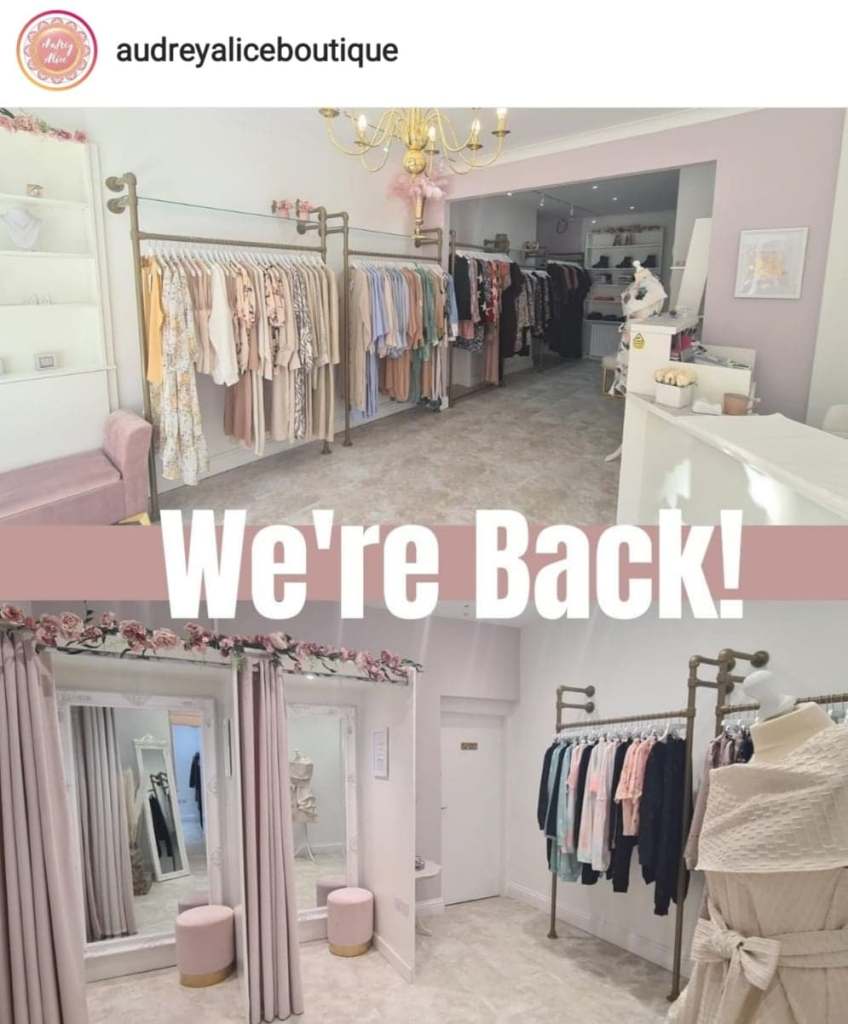
Audrey Alice Boutique, Saltburn by the Sea- Photo courtesy of Jo.
“It has been a difficult time, very challenging, but it worth it. The website sells all day, and we had some International sales and people messages you because they want to know about products.”
“Been online allows your brand to reach everything that you could not get before, but when the boutique opened, it was hectic and did it very well, and so was the online.”
Beth Hodgson said: “Because I have been furlough for so long, it’s hard to remember what. I kept myself busy with all the features I have done online with my Ambassador work.
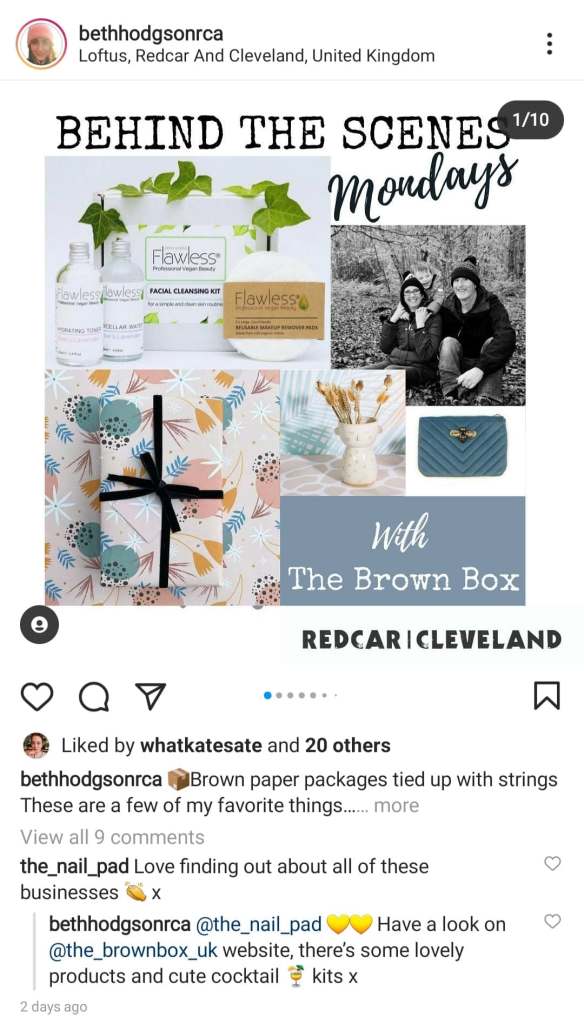
One of Beth behind the scenes on her Insta account- Photo courtesy of Beth.
“Because I love doing it, I could work every hour, every day building all that side of things.
“However, been back in the office today for the first time over a year, it was brilliant. We were the only people in the business centre. We are in only two days in the office, which is a nice balance.”
“I didn’t realise how much I can physically do.”
Supporting Small Businesses
Jo`s Boutique in Saltburn by the Sea- Photo courtesy of Jo.
In the first week of back to normality, we have learnt different ways to produce. Maybe by accident, we have discovered how to be more present on online sales.
Some sectors learnt how to boost productivity, especially in those where the average productivity is low, such as the food and beverage industry, or the so-called from statisticians’ `allocation effect.`
In economy, it refers to the process by which economic resources get apportioned, assigned to their particular uses for directly or indirectly satisfying human wants.
However, outside, the sunshine shines, and we all slowly back to normal. The first week was a big success for everyone; in Redcar and Cleveland, most businesses showed resilience and adaptability, and their strength has been reworded.
Supporting local businesses after lockdown- Photo courtesy of Beth.
Beth Hodgson said: “Redcar and Cleveland businesses are innovative, they adapted, Jo is a primary example.
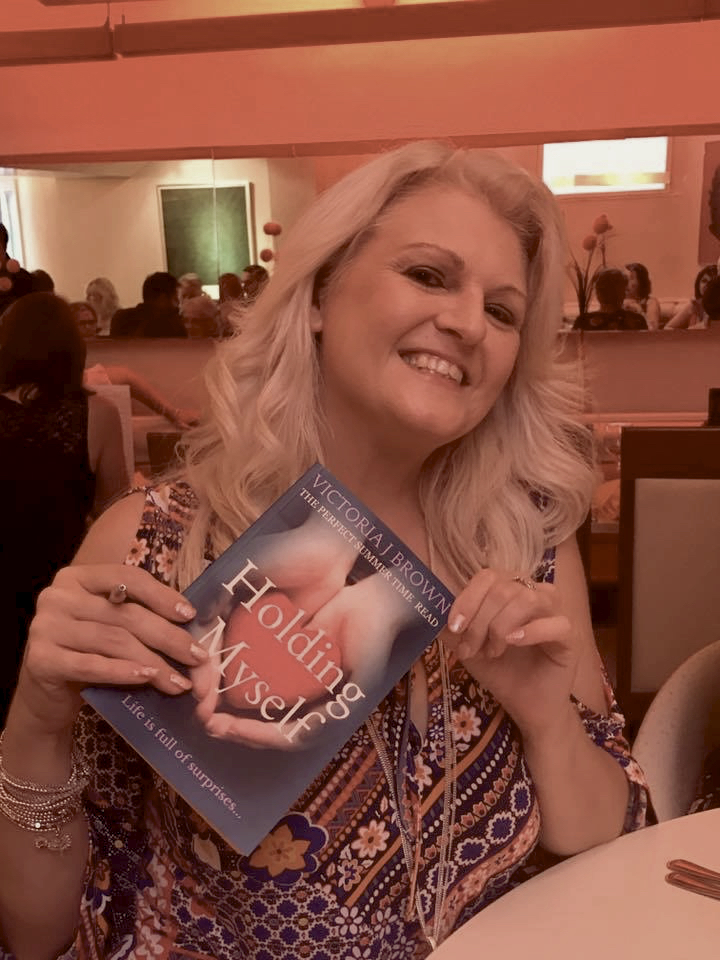
Victoria J. Brown, Book coach and Spiritual writer interview.
April is stress awareness month. Stress affects everyone, but women are particularly affected by pressure for the many duties that modern life put on us. Writing your story, your thoughts, can be used as a therapy to stress relief management and to attract positivity in our lives. Project Women interviewed Author Victoria J.Brown, who suggests writing as a therapy.
Statistics from the Mental Health Association show that 74% of adults in the UK felt very stressed during the year that could not cope with it, and 81% of women said so compared to 67% of men. According to the Office of National Statistics, in 2020, the number of cases of work-related stress, depression or anxiety accounted for 51% of all work-related ill health and 55% of all days lost due to work-related ill-health.
Significantly higher than the previous year. Evidence suggests this is not related to COVID-19
Feeling stressed representation. Photo by Ian on Unsplash
Why do we feel so stressed?
Stress is a normal reaction to our body. It can be positive when pushing us to achieve a goal in our professional life. However, it can be harmful when affecting our mental and physical health.
Women during the Pandemic had to take care of many chores.
For example, taking care of elderly parents, homeschooling, providing extra hygiene in their house, and on top of working from home.
All these duties have an effect on you, and when you can not slow down, stress over stress can develop into chronic , which can lead to health problems.
Common causes or so-called short-term causes are: missing the metro to go to work, being stuck in the traffic, or running out of work to attend the parents evening.
While more severe causes or so-called long-term stress causes can be discrimination, for example, discrimination at work or because of race, ethnicity and sexual orientation. Dealing with trauma, for example, been in an accident or going through emotional and physical traumas.
Stress has an impact on women health, and sometimes we are not able to recognise those symptoms. However, stress can cause trouble sleeping and weakening the immune system. Other common symptoms are:
Migraine and headache, heart problems, obesity, upset stomach such as diarrhoea or vomiting, premenstrual syndrome symptoms or irregular periods, problems getting pregnant. Also, hair loss and ageing skin.
It can be listening to music, practising relaxation techniques that are easy to find on the internet.
Try to have a walk, every day that combines the exercise with fresh air. Get some quality sleep to allow your body to recover, most important, seek out happiness.
Migraine and headache are stress effects. Photo by Anh Nguyen on Unsplash
Write To Heal
There are many ways to cope with stress. However, the simple act of writing, thinking and let your emotions out is very recommended.
Victoria J. Brown, Author, says: “When we have lots of things going around in our mind, we often can’t sort through them. When the mind feels chaotic, it does affect the body and soul. If you can soothe your soul, the rest will follow.”
“For example, are you worried about the outcome of a situation? Are you stressing about things that haven’t happened yet? If this is the case, when you’re releasing these thoughts, write about your desired outcome.
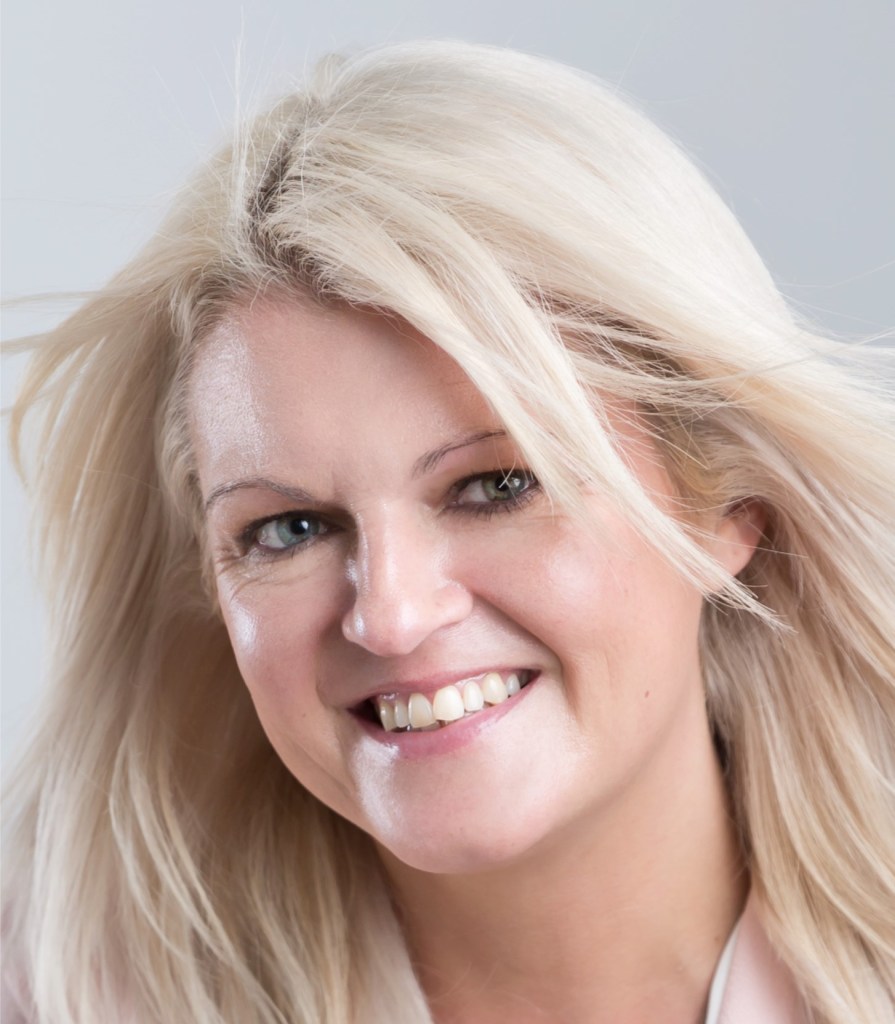
Victoria J. Brown Authorself-reflective, therapeutic writing- Photo courtesy of Victoria.
“Write as if you’ve received this outcome. Imagine the emotions and joy you would feel if you were at peace.
“Simply putting pen to paper is fantastic for your soul.
“We need to take care of our inner selves so that our outer selves can shine. Don’t worry about spelling, grammar or even if your writing makes sense.
“Write and get those thoughts, emotions and experiences down on paper. There is probably a book deep inside of you.”
Victoria, helps women to heal with therapeutic writing- Photo courtesy of Victoria.
Victoria helps women with writing therapy in her programme called Law of Attraction. She helps women who need to release their stories to heal by writing their book and story.
Victoria said: “I believe everyone has a story to tell. Whether you develop this into non-fiction or a fiction book, it will empower you & others!”
In what way writing your book can help you heal?
” Writing is therapeutic. Self-reflective writing is an excellent way to express your emotion.
“Many authors have created fictional stories through their own life experiences.
“When I was studying for my MA in Creative Writing, the saying, ‘Write what you know, was used quite often.”
Self reflecting writing is an excellent way to express your emotions- Photo courtesy of Victoria.
How to start?
Pick a time- it could be in the day or evening when you are less busy; that also helps to relax and start writing anything that comes to your mind. Use pen and paper, or use the keyboard, whatever makes you feel comfortable, and write… let your thoughts go.
Pick a topic- It can be a different topic every day or something that you enjoy or interests you.
Keep it safe- it is for yourself, so if you do not wish to share with other people in your house, keep it safe, it is giving you the confidence to write more about what is in your head.
Stress management– keep it messy, or keep it tidy; it is about what makes you happy, is your book/journal and should fit with your personality. You may want to buy a leather diary, or it can be on your Ipad.
Enjoy- Write, enjoy what you write, think, consider, delete it if necessary, but please do not blame yourself for problems or what you have not achieved today and let emotional writing help you grow.
Remember-If you constantly feel on edge or can not cope, talk to a doctor, nurse, or mental health professional.
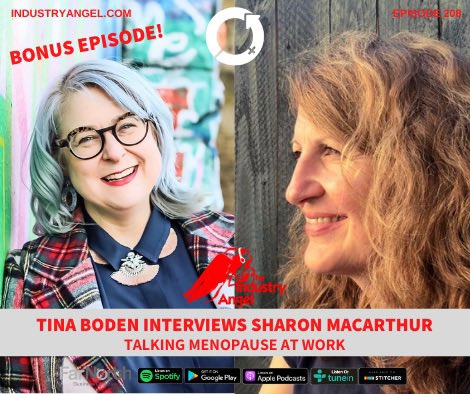
Menopausal women are the fastest-growing demographic in the workforce. According to the Faculty of Occupational Medicine, almost 8 out of 10 menopausal women are at work. However, it still is taboo to talk about. Sharon MacArthur, menopause educator, explain how employers and employees should improve menopause in mental and well-being regulations at work.
Menopause affects every woman; in the UK, the average age for a woman to go through menopause is 51. However, one in 100 women experiences menopause before age 40.
According to the Government Report on Menopause, nearly 8 out of 10 menopausal women work, and 3 out of 4 women experience menopausal symptoms. In contrast, 1 in 4 could experience severe symptoms.
But working environments like those with a lack of temperature control, limited movement conditions, or some uniforms with synthetic fibres can also make menopause symptoms worse.
April, stress awareness month- Photo courtesy of Sharon.
What are menopause symptoms?
All women experience different symptoms; physically, there are hot flushes, poor sleep, and migraines. There are also psychological aspects to consider: women can experience low mood, anxiety, lack of concentration, lack of self-esteem, and brain fog. And a few cases can experience depression.
The majority of women found it embarrassing to talk about it. Some women feel that the only alternative is to leave their jobs because menopause has affected the quality of their lives.
What can Managers do?
Talking about menopause with managers is embarrassing for employees and is also embarrassing for employers, especially if your line manager is the opposite sex.
Sharon MacArthur, aka Miss Menopause, said: “Ignorance cannot be longer an excuse. Menopause affects everybody. You can not buy a ticket to stop it, so from an employer point of view, if they care about mental health and wellbeing, If they care about giving employees the best experiences, it is essential that menopause become business as usual.
“Suppose you think to have mental and wellbeing covered in your workplace and you not talk about menopause, well. In that case, you have not mental health and wellbeing policies covered.”
Line managers need not to be medical experts, but reasonable adjustment can be put in place for those who require them.
Without a change in policies and procedures to support women going through menopause, it’s unlikely women will speak up. So, this is why Sharon can offer professional and line managers help to learn about menopause and its symptoms and how to implement employment law, treatments, and options in the workplace.
It’s therefore vital that leaders are educated as to what woman may go through and how to help and support them.
I am on a mission to make this normal in the workplace because it affects 100% of the 50% of the world.
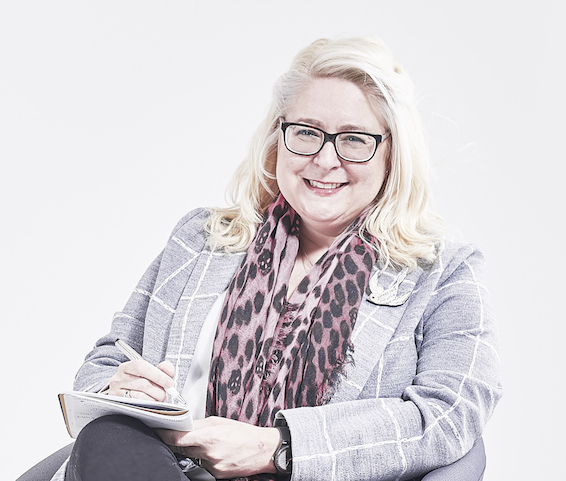
Sharon MacArthur, British Menopause Society Member.
What are the financial benefits for organisations?
Sharon MacArthur, collaborates with a range of clients to educate HR Professionals and Managers- Photo courtesy of Sharon.
The Government Equalities Report on Menopause recommends that workplace training raise awareness of menopause at work and introduce various workable solutions. Organisations and employers must consider the following costs;
Recruitment to replace women who leave, according to Oxford Economics, is more than £25,000 for a person earning £30,000 a year, including direct recruitment costs and bringing a new member of the team up to speed.
Employee relations issues or tribunals, The cost of a tribunal case is £8,500, which doesn’t include any awards or the claimant’s if win. Also, reputational risks must be addressed to the organisation suited.
Working with Miss Menopause
As a menopause educator, Sharon MacArthur works with women, managers, and HR professionals who need to understand diversity and manage people with respect.
Sharon Podcast about menopause- Photo courtesy of Sharon.
Helping them plan reasonable adjustments if needed and giving the best support to change their company culture and understand where employment law fits around menopause.
If you are an employee, you can join Miss Menopause private Facebook group, where you will find that you are not alone, indeed part of the 100% club. You can also get in touch with Saron MacArthur, Miss Menopause by telephone on 07793291409 or Send an Email
In Uk, only 17% of the technology workforce, according to WISE, are women. With only 5% of them running leadership positions. However, the industry demands equal representation of women, and if you’re planning to move into tech, TechUPWomen is the programme that focuses on tech career and training for women.
Women in the UK lack opportunities to get into the tech industry. It is a vicious circle that begins in schools, where young female students are not guided about what the industry can offer. In response, girls are not inspired or interested in researching by themself.
According to Women in Tech Report, only 27% of University female students would consider a career in technology than male students, who positively responded in 62%.
Tech industry also is considered by female students as a wrongly non-creative environment.
Technology nowadays is used in various sectors; in understanding customer journeys in the retail sector and drive new trends. It is also used in architecture, art, design, games, media and e-publishing even digital cinematography.
According to women in tech report, women are more involved in healthcare positions, which suggests that they are better positioned than men to create technologies to meet citizens’ healthcare needs.
TechUP York 02.11.19- Photo Courtesy of Johanna Waite.
Why is Gender Gap so crucial in the tech industry?
Women represent the most significant market opportunity globally. The influence consumer economy is enormous. Gender analysts Catalyst.Org estimates that 67% of all UK Household consumption is controlled or influenced by women.
According to Diversity in Tech research, companies would benefit from hiring women because they would bring more creativity, knowledge, and strategy business, enabling varied problem-solving approaches.
If UK businesses can bring more women into higher-paying sectors such as technology, this would help reduce the gender pay gap and increase women economic empowerment to benefit the UK economy and society.
Lack of women role models is also a barrier to enable women to understand how technology can be beneficial.
66% of diversity and inclusion in tech research respondents could name a famous man working in technology, but only 22% could name a famous woman. PWC UK carried out the research.
Johanna Waite, Project Manager IoC TechUPWomen said: “Tech business needs diverse teams to reach its full potential. “An identikit workforce leads to a narrow cultural lens from which to view the world and deliver innovation.
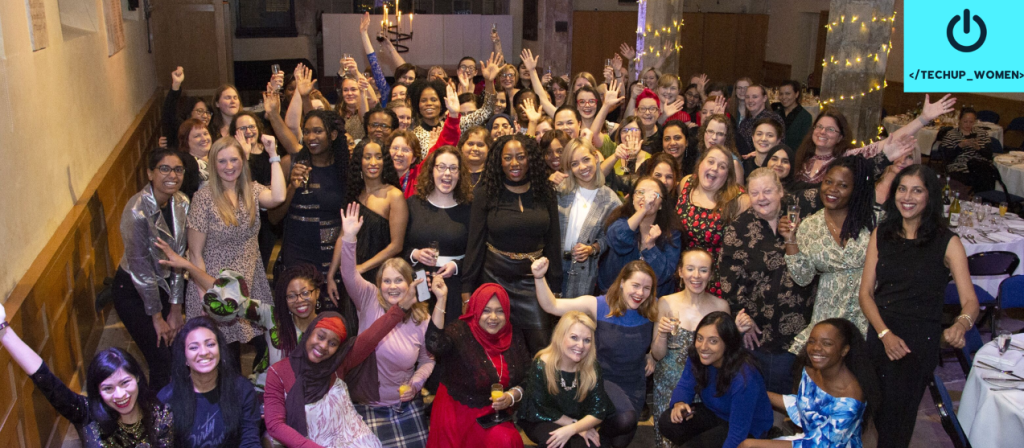
TechUPWomen students and Tutors, courses are for postgraduateds. Photo courtesy of Johanna Waite.
“Society is not a level playing field. We must embrace people from every background, the under-served and the underestimated. Those with the potential to thrive in, enrich and diversify the technology sector are everywhere.
“Yet their potential is too often restrained and unfulfilled, struggling to breakthrough.”
Johanna has a decade of experience. She successfully delivers projects across the engineering, energy and nuclear, heritage, charity and higher education sectors and passion for non-profit and community projects.
She has managed the multi-award winning TechUPWomen programme based at Durham University for the past two years, training women from minority groups into tech careers and addressing gender imbalance and skills gap in the sector.
Johanna also said: “TechUP exists to bridge this gap.”
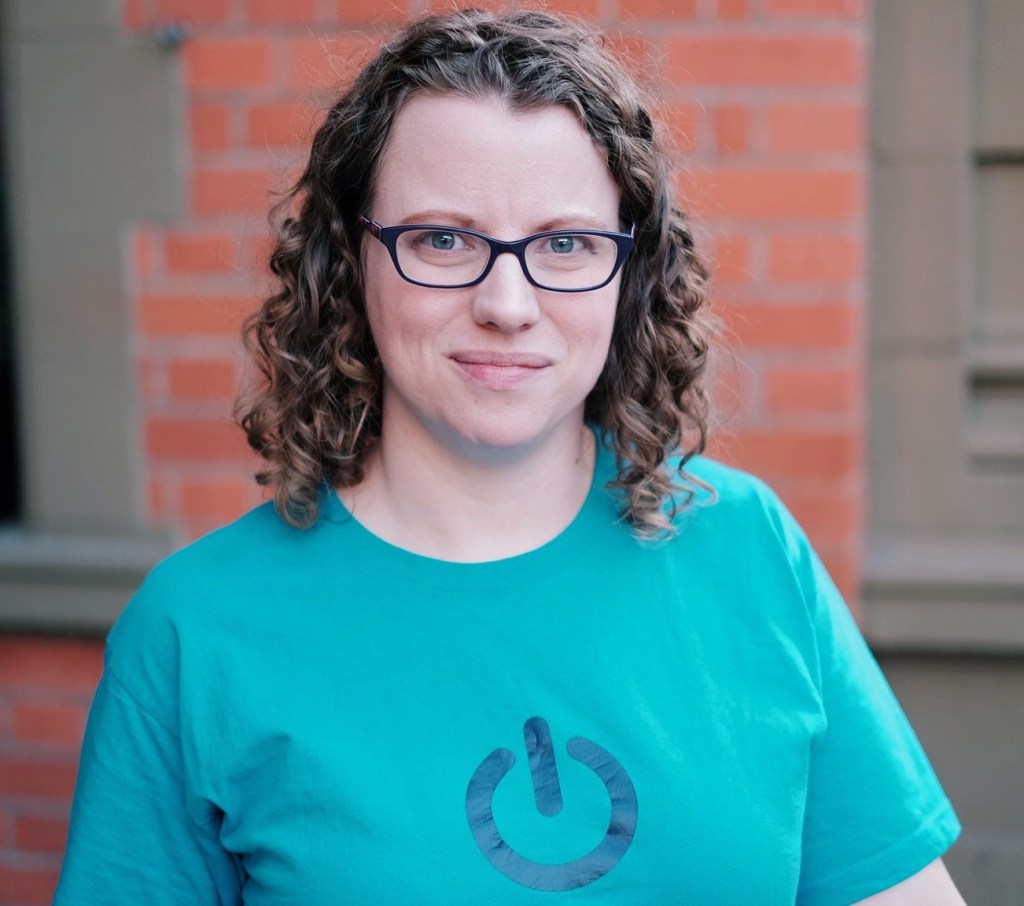
Johanna Waite, TechUPWomen project manager.- Photo courtesy of Johanna W.
TechUPWomen
Led by Professors Sue Black, OBE, TechUPWOMEN project is funded by the Institute of Coding. It is a training programme that focuses on individuals and minority groups in tech careers.
The retraining programme, developed by the Partner Universities in conjunction with the Industrial Partners, is a course for postgraduates; with two modules which are:
Technology: coding, data science, cybersecurity, machine learning, agile project management.
Workplace readiness skills: public speaking, clear communication, working as a team.
TechUPWomen, group – Photo courtesy ogf Johanna W.
Johanna said: “It takes those with the potential to succeed who are unable to access the tech industry. We work closely with industry to retrain, up-skill, motivate and inspire.”
However, TechUPWomen was a cohort programme, which took 100 women from the Midlands and North of England with degrees or experience in any technology area.
Allowing them to get into internship/apprenticeship or job. TechUPWomen is currently referring to women in their email list for future cohorts’ programmes under the section apply.
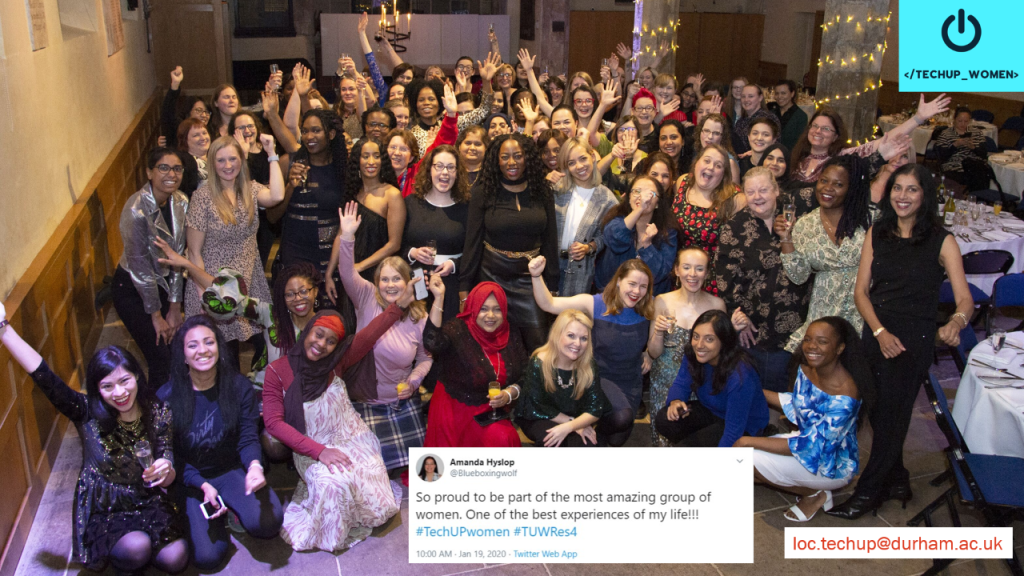
Durham University Tech Up Women Nottingham. 18.01.20 – Photo courtesy of Johanna W.
TechUP team will continue to offer advice to anyone who gets in touch; however, I suggest approaching them via email first and then seeing their availability.
The tech industry demands women and role models. Embraces different cultures, is the movement of ideas and trends, is socio-economic growth and is meaningful work. So, ladies, why missing out on so many opportunities that would make a difference in shaping our career and giving good examples to new generations?
Johanna said: “The Tech industry is open to women past 35, many of our TechUPWomen were above this age, and over 40% have now gained new employment or promotion into a new role since completing the programme.
“Older women are invaluable to the tech sector as they offer a wealth of experience and transferable skills that millennials and gen z just haven’t had time to accumulate yet.
“And many employers are now starting to recognise this.”
Amanda Hyslop first 100 | aspiring games developer tewwt – Photo courtesy of Johanna W.
Mentors for entrepreneurs are vital to success and business growth. Whether you are on an early stage or need a strategy to move forward, business mentors and mentorship programs are available to receive guidance and support. Many initiatives across the country provide access to resources. Assist Women Network in the Tees Valley provides support and business growth for female entrepreneurs with their programmes.
Ann Stonehouse Interview.
Business mentors can help you develop your growth ideas by sharing their skills, expertise, experience and contacts.
The study conducted by BIS, department for business, innovation & skills, estimates a current business mentoring population of 19,000 mentors across up to 400 organisations.
Around 11,000 mentors are accessible currently via organisations registered on mentorsme website.
The Government is committed to developing and expanding a business mentoring network for SMEs in the UK. And in 2018, the Chancellor provided an additional £5.6 million to expand and increase mentoring support of small business by larger businesses and leaders to expand productivity.
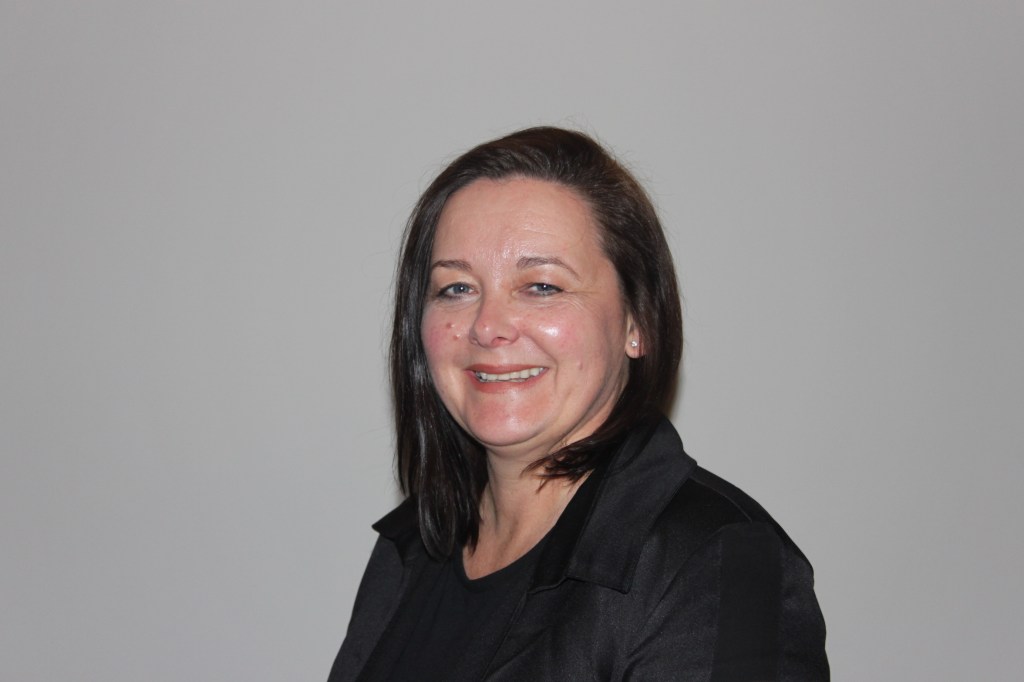
Ann Stonehouse QAEP, Founder of Assist Women Network- Photo courtesy of Ann.
According to The Rose Review of Female Entrepreneurship, evidence shows that being part of local business networks can help entrepreneurs grow their businesses and share best practices.
The review found that women are less likely to be business network member or to know an entrepreneur. The Government, therefore, supports the expansion of networks focused on connecting female entrepreneurs and recognises the value created by those organisations; Such as the Everywomannetwork with over 20,000 members and the Female Founders Forum.
In Tees Valley, Assist Women Network is the primary organisation for women entrepreneurs, focused on allowing women to grow professionally, offering connections and various support.
Ann Stonehouse, Founder and chair of Assist Women Network, said: “Mentoring and coaching are really part of being an entrepreneur; women in Tees Valley, don’t associate themselves as an entrepreneur unless you tell them.
Assist Women Network Logo- Photo courtesy of Assist.
“What Assist do, is to help and encourage your mindset, connecting you with the word entrepreneur.
“It is Find your tribe, and it’s like-minded women that you can relate to, collaborate and connect, and I find that when women collaborate are brilliant.”
“Is also important to mentor young people – we mentoring young ladies age of 14 upwards.
“We all know the strength of mentoring; mentoring and role models are the key to empower the next generation.”
Ann has been mentoring for over 15 plus years while working as an accountant with SMEs in the North East.
She wrote practical training workshops for start-ups and social entrepreneurs within Teesside University, including mentoring graduates in their first entrepreneurial steps.
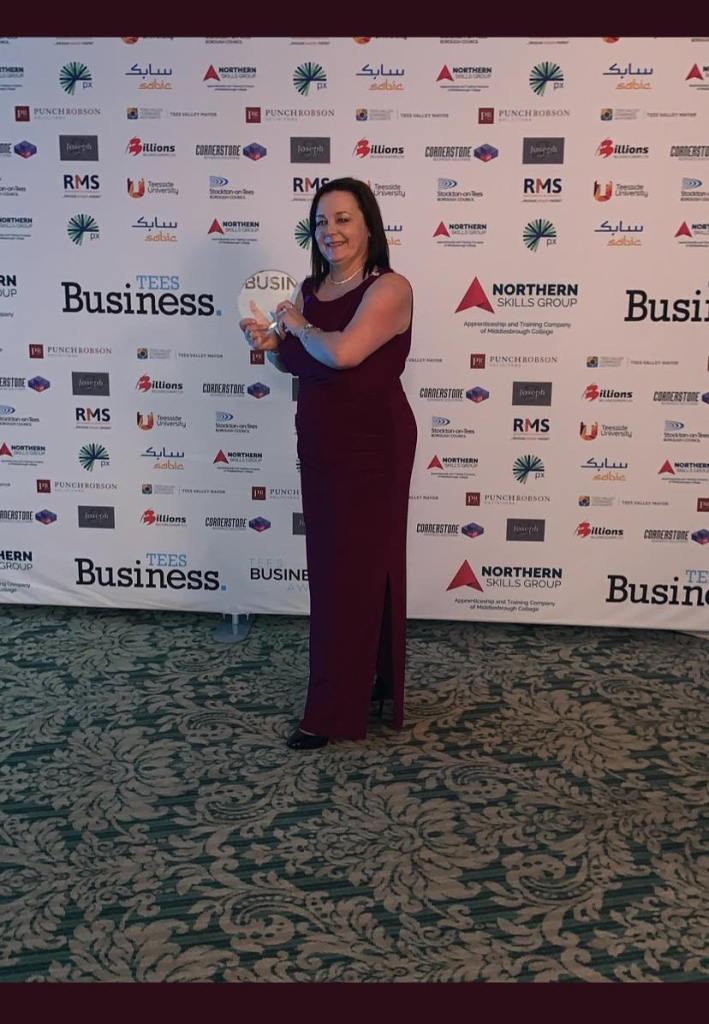
Ann Stonehouse QAEP won the Lifelong Inspiration Award last night at the Tees Businesswomen Awards. – Photo courtesy of Ann.
What is a mentor, and what a benefits a business get from mentoring?
A mentor is an experienced professional who can offer guidance to a business owner providing 1to1 support or in group support, developing your skills and confidence.
A trusted shoulder when you’re feeling anxious or uncertain.
A channel for discussing ideas, challenges and new opportunities.
Guidance on areas you have less experience in, for example, management, marketing, finance.
Access to new networks and helpful resources.
Achieve your Highest Performing Self through Superpowers- Photo courtesy of Ann.
However, there are also the aspects that mentor cannot help you with:
Market your business for you.
Provide you with specific legal advice. A mentor may offer general assistance, but you should always seek professional guidance in legal matters.
Develop your strategy or plans for you – they will support you in considering your options. However, you are ultimately responsible for any decisions you make about your business.
Have any stake in your business – financial or otherwise.
What are the programmes in the Tees Valley for women entrepreneurs?
Assist Women, run quite a lot of free mentoring sessions available to all and online.
Ann Stonehouse said: “In May, we will run my assist sales and marketing workshop, which is 90 minutes session with an expert of the field- these sessions are only available for women and cost £5.
“There, we have a free network that comes along, and then you have a spotlight one minute to say who you are and what you are looking for. The group targeted is business woman and professionals.
“We also run global enterprise week twice a year, and our annual event for International Women Day.”
Other upcoming events are available on the Assist women website and Assist Her web section. Assist Her is a pilot course, free and fully funded by Middlesbrough Council, with some amazing speakers. Also, look for their private group on Facebook accessible further request for a friendly approach to all knowledgeable ladies mentors.
Goodwill Ambassador judges.Yasmin Khan, Deb McGargle and Folasade Sangowawa- Photo courtesy of Assist.
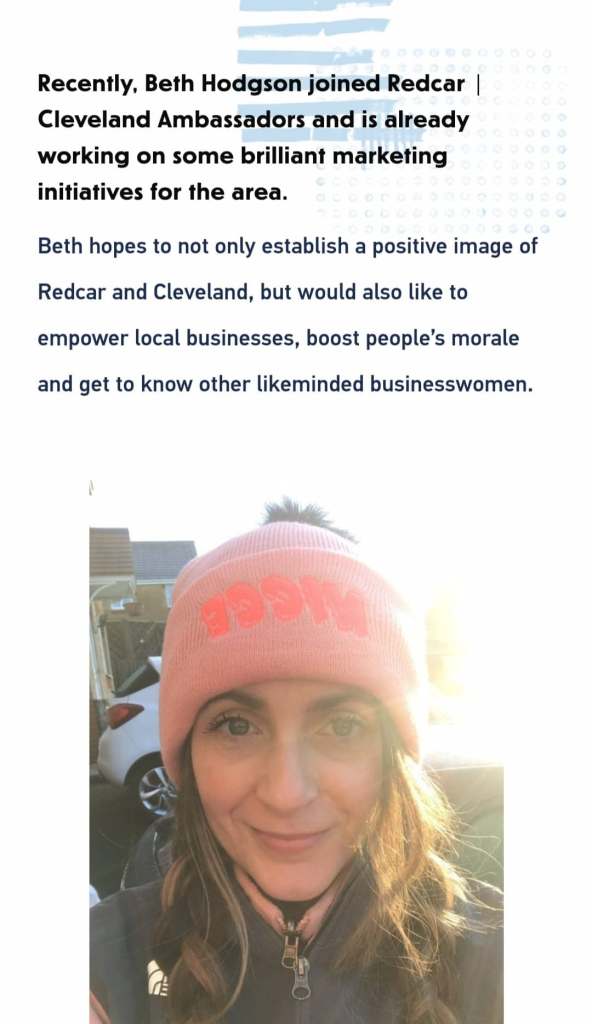
During the pandemic crisis, Beth Hodgson decided to help business women and shouting about the area. After following some mentoring programmes and becoming an Ambassador for Redcar and Cleveland, Beth started a successful journey to support herself and others.
As everybody was affected by the pandemic, Beth was as well from being furlough. But then Beth decided that have to do something about it. With no work, for the first time, Beth had the time to invest in her self.
“I always struggled with my confidence; sometimes people think I don’t because I do come across in a certain way.”
Beth`s Journey around the area that she loves.-Photo courtesy of Beth.
“I have joined a few programme, courses and membership routes and been focused on self-love. I feel like a butterfly comes out from the chrysalides.”
Before the Pandemic, Beth was a marketing manager in the music field.
“I didn’t want to lose the skills acquired. Then, the mix of I don’t want to lose my skills combined with wanting to do something
“I started looking at how I could help others, googling tons of pages and researching, when I came across the Redcar and Cleveland Ambassador programme.”
Redcar&Cleveland Manifesto- Photo courtesy of Beth.
Beth started working with Camille Plews, a Redcar based business consultant, working together in the coaching programme and focusing on social media strategy and launch mastery, and self-esteem.
“I had a look at the programme; I feel like I am in line with that, I love what it is about, so I am going to apply in January.
But Camille said; No! apply now, get it done before Christmas, and I did.”
Beth went in touch with Richard Baker, the ambassador project’s marketing manager and leader, who welcome Beth on board.
“Now I am part of the team, and I feel part of the team. A bit of breaking news, I just had a conversation with Richard Baker, marketing manager and leader of the ambassador project.; all my feature will go on Enjoy Redcar and Cleveland website.
“Being part of the team is so rewarding, the lovely comments for the work produced. It’s nice to have the recognition from the people that you did a good job.”
“I want to celebrate women in our area who managing the juggle of running a home, organising child care and now homeschooling.
Beth is ufficially an Ambassador for Redcar&Cleveland. Photo courtesy of Beth.
“They juggled many tasks before the pressure of the pandemic, and now our lives have dramatically changed, showing the determination that women have got.”
At 7 pm, Beth, every Thursday, is online streaming on Instagram, promoting local businesses and looking forward to expanding her events network.
“As soon I ended my first live chat, the endorphins afterwards were unbelievable.
“Every Thursday, I still get butterflies and a bit of nerve. But I like that because it shows that I still care, and I want to make sure it’s the best possible thing I am putting out for my audience.”
Beth also runs a Facebook group to help local entrepreneurs get visibility on social media. She aims to develop a community for connecting and support not only women but also anyone who benefits from her freebies free to download. In her long-term plans, the Professional NLP Coaching qualification to become a coach helps other women boost self-esteem.
Beth`s Instagram online events- Behind the scenes and live chat. Photo courtesy of Beth.
73% of Women Lack of Confidence at work
A research carried out from My Confidence MattersLtd about self-confidence in work over 300 women employed across various sectors, including voluntary work, found out that over 73% felt they lacked confidence in the workplace regularly.
Most of the respondents directed difficulties in interaction with others; Appearing confident but not feeling confident (46%)
Confidence in public speaking. – Photo by Leon on Unsplash
Forgetting what you were going to say or waffling (38%) and having a negative mindset, e.g. why should anyone listen to me? (31%).
In terms of building confidence, the best service that women would use, according to My Confidence Matter research, two options were the most selected; being part of a community (57%) and one-to-one coaching (48%). However, other options also received a high level of choices, like bitesize online mini-courses (37%), and workshops (37%)
What is the confidence gap between men and women?
The graph below shows that women’s confidence increases more with age than men’s. But we need to consider the many opportunities we lose for our career progress in the early years because of fear and lack of confidence. We need to take the courage to take action and become like Beth to succeed in our career aspirations.
The community group based in the Teeside has helped numerous families over the past few months. Now they have big plans to continue helping people, especially women, to get back into employment. Project Women spoke to Sharlein Smales, the co-founder of The Tees Valley Together.
Sharlein Smales full interview
Sharlein Smales works full time in the public sector organisation for South Tees development corporation as a procurement manager to regenerate the old Redcar steelwork.
She said: “We are a group based on the Tees Valley for vulnerable families across the Tees Valley. We aim to reduce and eradicate poverty across Teesside.”
About empowering women, Sharlein said, “We have four trustees in the charity, and all are women.
“It is about pushing and improving their perspective, giving a platform to become professional women again.”
Sharlein Smales head shot- Photo courtesy of Sharlein S.
“There are several vacancies out there; we want to make sure that they are supported for getting back to it.”
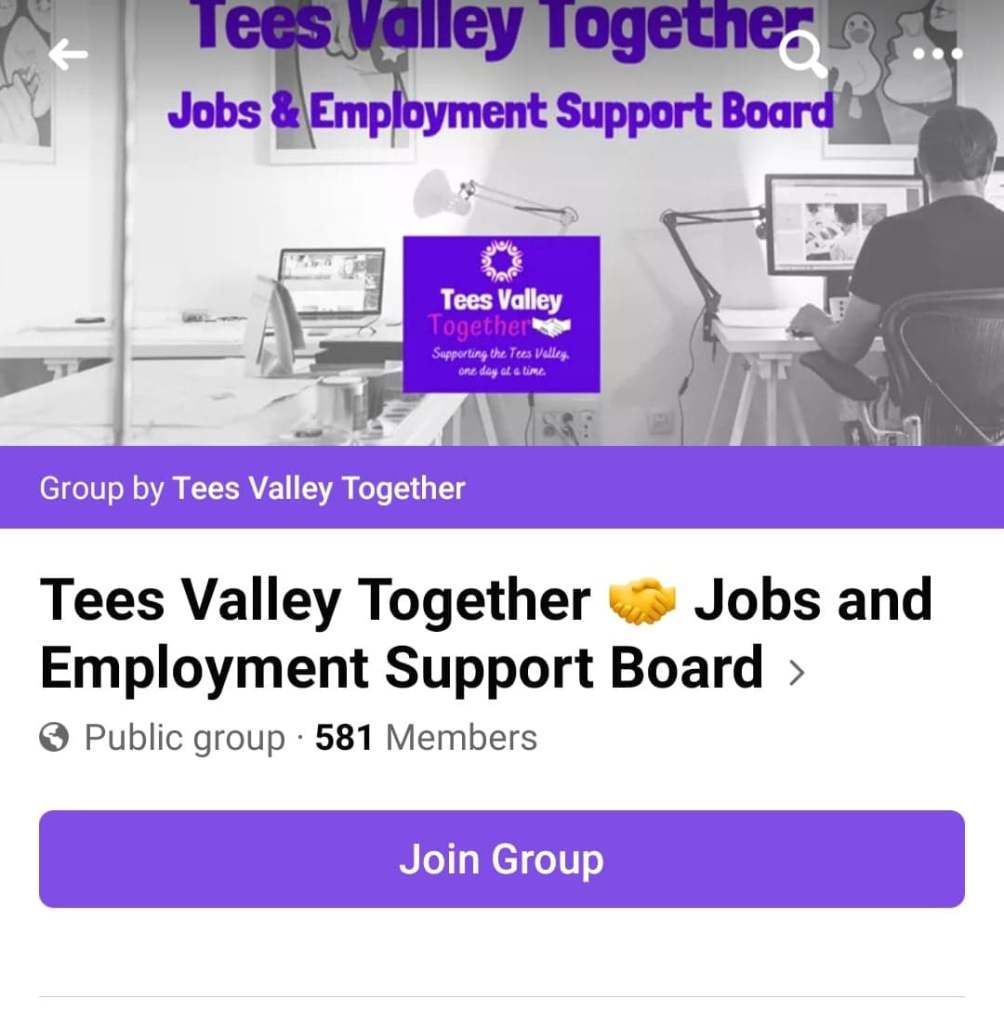
The Jobs and employment support group allows businesses to post available jobs using links to applications already open or add new roles directly. Individuals can search for open positions. Also, the group is on Facebook visible to the public.
“We are here to support individuals with job searches, CV writing and mock interviews to build confidence. We are here to help get people back on track.”
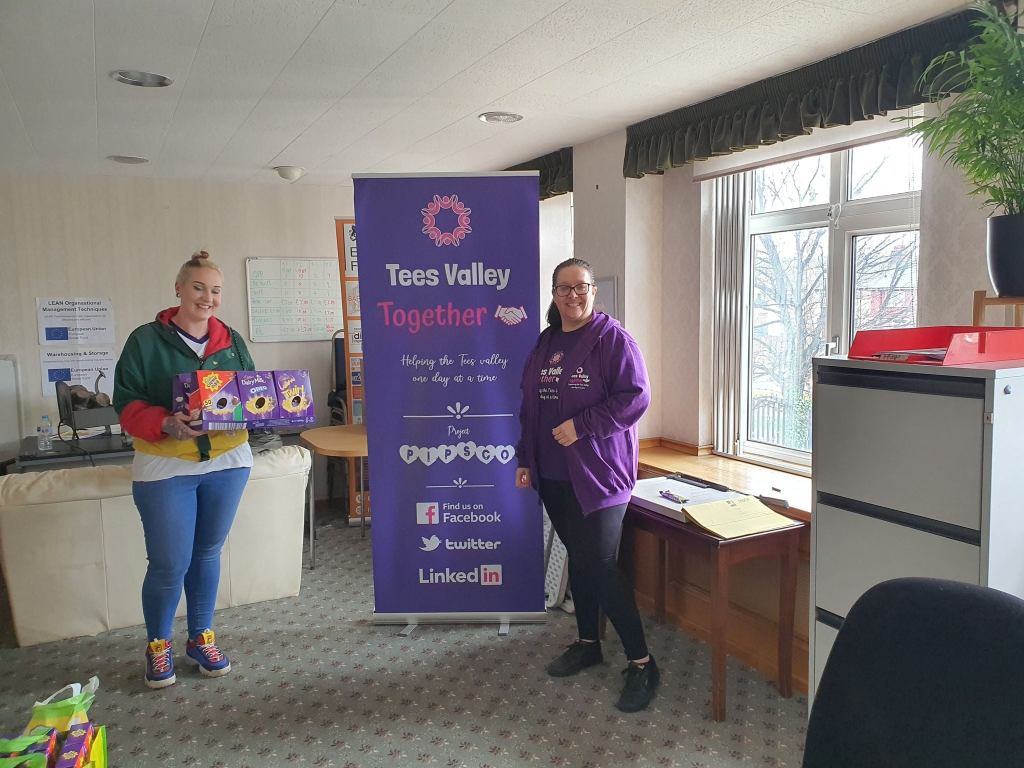
Sharlein Smales sending out your lovely donated Easter Eggs- Photo courtesy of Sharlein S.
“We will sit together, we will talk to you, and we will go through the requirement to find the best route for where you want to be.
“Thirteen and Step Forward Tees Valley also offer a range of free employability services, and generally working with people been long term unemployment.”
“For example, when SSI steelworks closed in 2015, 2.200 people made redundant that day, and some of these people have worked there since they were16.
“They never had to write a CV before, and they never had an interview before. They don’t have even an idea of where to start the process.”
Sharlein also said: “Because of the Covid redundancy, there probably needed to do something a bit more proactive with the people who are coming out from work.”
The ONS’s labour market overview for January 2021 shows that the aggregate redundancy rate increased to a record high of 14.2 per thousand employees in 2020. The redundancy rate for men (15.5 per thousand) was higher than for women (12.8 per thousand).
The data show that the administrative and support services industry had the highest redundancy rate (35.8 per thousand) employees, followed by the “other services” industry group, including arts, entertainment and recreation 30.5 per thousand employees
The arts, entertainment and recreation industry contributed the most to the high redundancy rate in that industry grouping. The lowest redundancy rate was in the public administration, defence and social security industry, at (3.3 per thousand) employees.
Redundancy rates by education level, UK, not seasonally adjusted, September to November 2020
Rituja Rao, STEM ambassador, speaks to Project Women about the many Tech career opportunities. She shares her life experiences and encourages the next young girls’ generation in a powerful video interview.
Rituja Ravikiran Rao is a management consultant at Sparta Global, specialising in Digital Transformation, Change Management, and IT Implementation.
She has delivered improved cost savings by implementing Cloud solutions, DevOps delivery frameworks and by providing enhanced digital payment solutions.
With AgilePM Practitioner, PRINCE 2 and SCRUM certifications, she has delivered improved stakeholder management and strategic vision within IT projects.
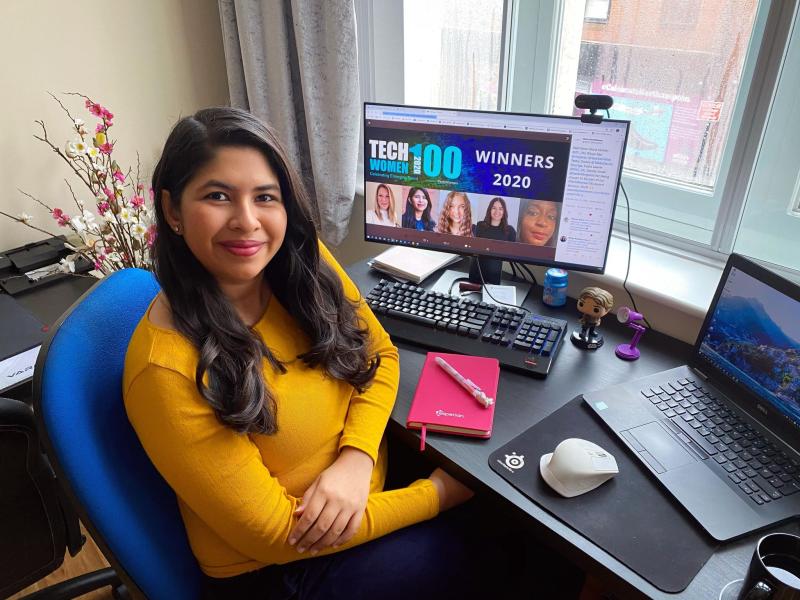
She is also the Future Star of Tech winner: IT Manager award 2020, winner of TechWomen100 Award. She also was nominated as the Digital Hero of the Year at the Computing Digital Technology Awards in 2019 and mentor on Cajigo App.
Rituja Rao, TechUPWomen Ambassador, and Tech speaker- Photo courtesy of Rituja.
Rituja is very passionate about STEM subjects and the tech industry, especially for women who require more representation in STEM subjects (science, technology, engineering and mathematics);
“There is a lot of work happening in the industry right now; to get more young girls into STEM subjects. Maths and science for so long have been seen as male subjects, which is a patriarchal notion. Lots of work needs to be done to change that narrative.”
Rituja, access with emphasis that Tech is not only about maths but also much more. She is keen to share her life experiences as a strong advocate of diversity. She aims to inspire graduate students regardless of STEM degrees.
From a UK economic growth perspective, the data suggest a need to support more women and girls to build the digital and STEM skills needed in the future. The country is facing a STEM skills gap, with an additional one million new professionals required. These skills will also brick the way for more women entrepreneurs in higher productivity sectors and, at the same time, improve the scale-up of their businesses.

























 Alessia Miceli