
Research carried out by Jobrapido found that nearly two-thirds of the UK workforce want to change their career path. If you are a career changer, make the most to start the right programme, acquire new skills, and what you think to be the dark time, it may bring you to be bright. Project Women spoke to women who changed their career and how they made a success of it.
Nowadays, people change their careers more often than our parents, who made a lifetime commitment to their workplace. And while you are desperate to say bye-bye to your current job, let’s face it that you are not alone. Nearly two-thirds of the UK workforce (62%) have aspirations to change their career path, according to the latest research by Jobrapido
More than half of UK employees (52%) admitted they would readily embark on an apprenticeship or move to a different industry sector.
The UK job market is continually evolving. New technologies and working styles transform how we view our careers and the workplace, for example, job-hopping, which has become increasingly common in the UK.
According to the Office of National Statistics female job, changers are 6.5% compared with 2.9% for female job stayers with the highest proportion of Northern Ireland. In comparison, the country’s Eastside has the highest ratio of job changers (11.8%). While the North East had the lowest (8.3%) in 2018.

What are the reasons for career changers?
What are the reasons behind the decision for leaving your job and undertake a new career path? Reasons can be various, and it depends on personal circumstances, from inadequate maternity benefits to a toxic work environment.
career addict study highlights that the most common reason for changing jobs is low pay (22.8%), followed by ‘too much stress’ (15.7%). Women are more likely to leave their job due to stress, with 17.9%, compared to 13.1% of men. Seeing the most stressful industry with Arts Culture, over 20% of people leave their jobs because of this issue.
Project Women spoke to Nikki Petty, life coach at Wired for Life Coaching; she says: “I used to work at the University of Brighton for 25 years. I ran a Doctorate program to supervise Doctorate students.
“I had much reflected on the time, and I had counselling from University, which was very helpful. However, the combination of my health issues, my parents’ health and not enjoy work anymore, I decided that I could afford to retire. So, quite quickly, I left University.
“When I looked what I liked doing, and in some ways what I was already doing with friends. having conversations and helping them think through where they wanted to go.”
Nikki, today successfully runs her life coaching business, and she is qualified by Animas centre for coaching.

Wired for Life Coaching blog manifesto – Photo courtesy of Nikki Petty 
Nikki Petty Life Coach – Photo courtesy of Nikki Petty
Watch Nikki full story.
Joanna Castor, Artisan Jeweller at Sea stone says: “I started my business career, and I progressed into a consultancy role.
“When I became a parent with my oldest son, I found it incredibly difficult to fit together. So I jumped into the darkness and went started to apply in Sheffield to any job I could.
“I always wanted to keep learning, to keep busy and keep developing my skills, and the benefits of that is when change comes, I have a got a bag of this to go.
“The thing you need to know about me is I never stop. I always been very creative and been able to make stuff.
“I was on the beach with Leo, my son, and Leo said You could do some jewellery, mum- so I took my jewellery making skills out, and I gave it a go, and it just grew exponentially.
“I decided to convert my back garage to a studio, and in March, I will launch Seastone jewellery, which will be a higher product, which means that I can expand my business and offer in a higher range of jewellery.”
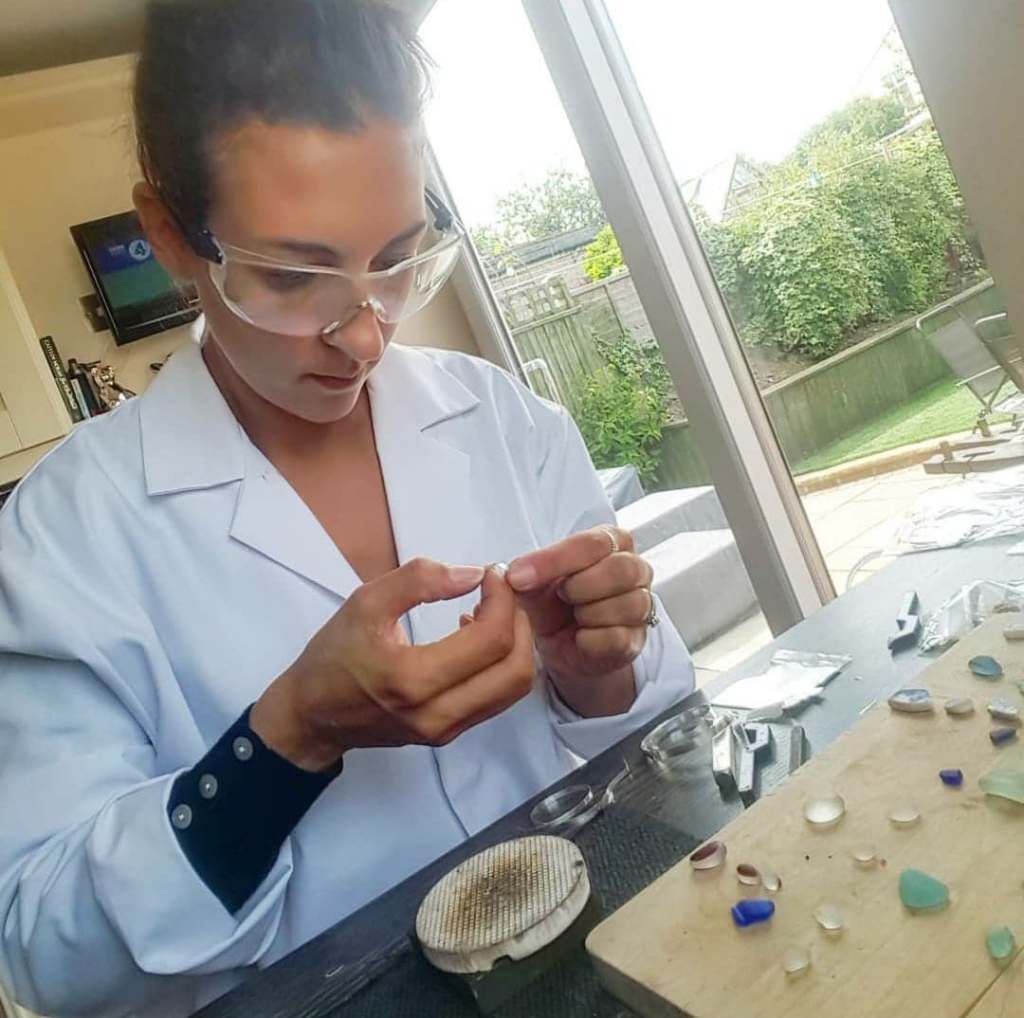
Joanna in Her Studio Making Jewellery – Photo courtesy of Joanna Castor 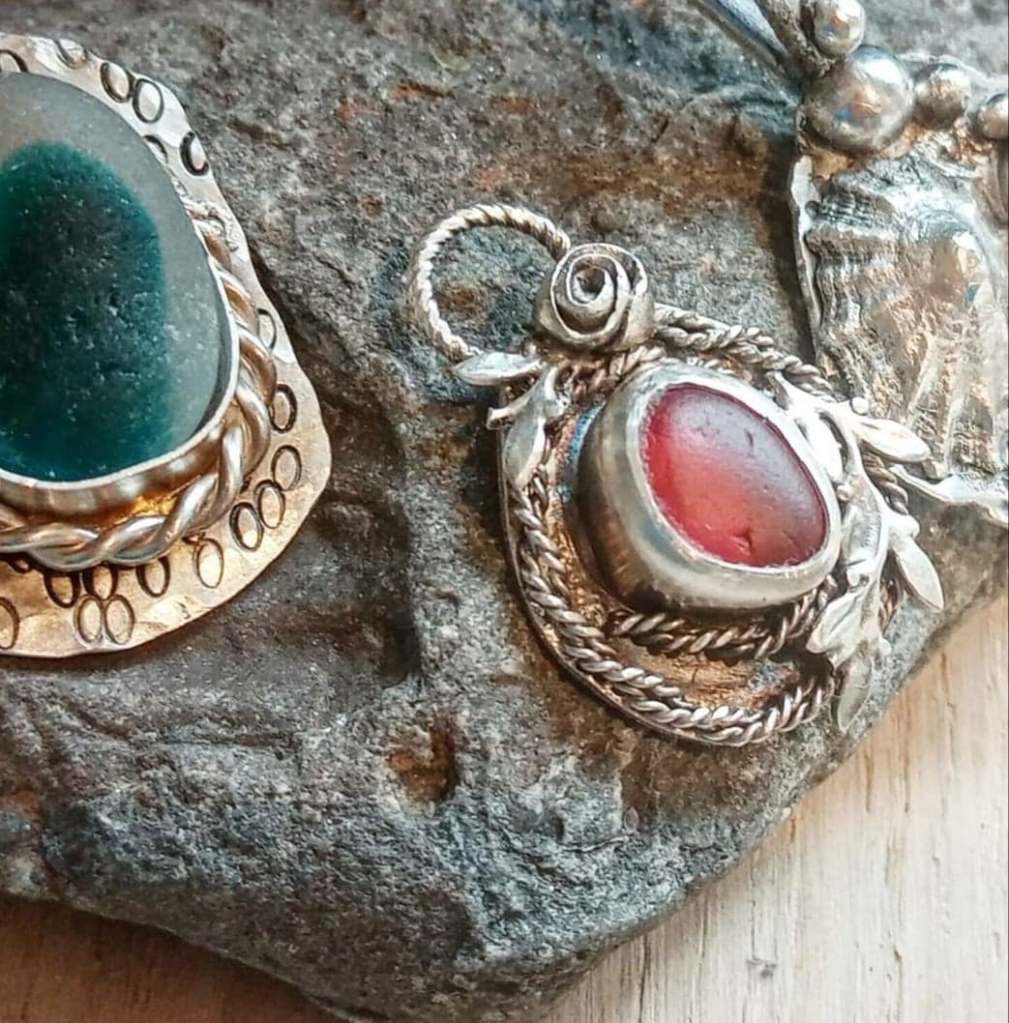
Red&Green Sea glasses Jewellery – Photo courtesy of Joanna Castor 
Seastone Jewellery Boxes – Photo courtesy of Joanna Castor 
Joanna Castor – Seastonebyjoanna owner – Photo courtesy of Joanna Castor 
Sea Glasses Jewellery With Beautiful Details – Photo courtesy of Joanna Castor
Watch Joanna full story
Quitting a job is a big decision; however, you have the right to feel in love with what you do, and there are professionals able to help you.
What factors should I consider before leaving?
Get Clear – What do you want? Where do you want to go? Speaking with a career councillor can be helpful at this stage.
Make a plan – Be honest with yourself, and research if your assumptions can be objective and feasible. Have an authentic look at possibilities; Job vacancies, courses, business mentoring. Consider arithmetic’s; work out your finances more precise than an accountant, then evaluate if you can afford to take this decision
Action – Research about the industry you want to go to; what skill do I need? Do I want to enrol on a University course? Then attend open days and discuss your options course. I f you decide to run a business, then analyse your idea and develop an effective business plan.

Toward the next step
You are READY to go toward a new chapter of your life; it is exciting.
However, remember
If the reason for resigning is that you are unhappy with the treatment received from a manager/employer, contact the Citizen Advice Bureau to solve the problem.
They can give you the right advice without having to resign. If you still want to leave, the Citizen Advice Bureau can also help you out with professional notice writing; holiday entitlements and final payslip.
The skills toolkit offer free courses to help you learn new skills, boosting your existing ones.
If you want to enrol in further education you can also attend open days and contact Universities directly.
Is entrepreneurship for you? The Women Organisation have the mission to empowering you and your idea through start-up support and building your skills and knowledge.
Other helpful organisations are: National Career Advice
 Alessia Miceli